


Related search
Used Cars
Mobile Phone Cases
Cars
Decorating Design
Get more Insight with Accio
DC Cherry Blossoms Drive Record Sales During Peak Bloom Window
DC Cherry Blossoms Drive Record Sales During Peak Bloom Window
7min read·James·Mar 25, 2026
The National Park Service’s official announcement on March 5, 2026, designated March 29-April 1 as the expected peak bloom window for Washington D.C.’s iconic Yoshino cherry blossoms. This timing represents only a one to two-day lag compared to 2025’s March 28 peak bloom, demonstrating remarkable consistency despite unusual weather patterns. The predictable seasonal timing creates a compressed but lucrative opportunity for retailers to capitalize on tourist influx and local celebration activities.
Table of Content
- Seasonal Timing: DC Cherry Blossoms Reaching Peak Earlier
- Leveraging Seasonal Events for Retail Success
- Geographic Marketing: Beyond the Tidal Basin
- Turning Natural Phenomena Into Year-Round Business Opportunities
Want to explore more about DC Cherry Blossoms Drive Record Sales During Peak Bloom Window? Try the ask below
DC Cherry Blossoms Drive Record Sales During Peak Bloom Window
Seasonal Timing: DC Cherry Blossoms Reaching Peak Earlier
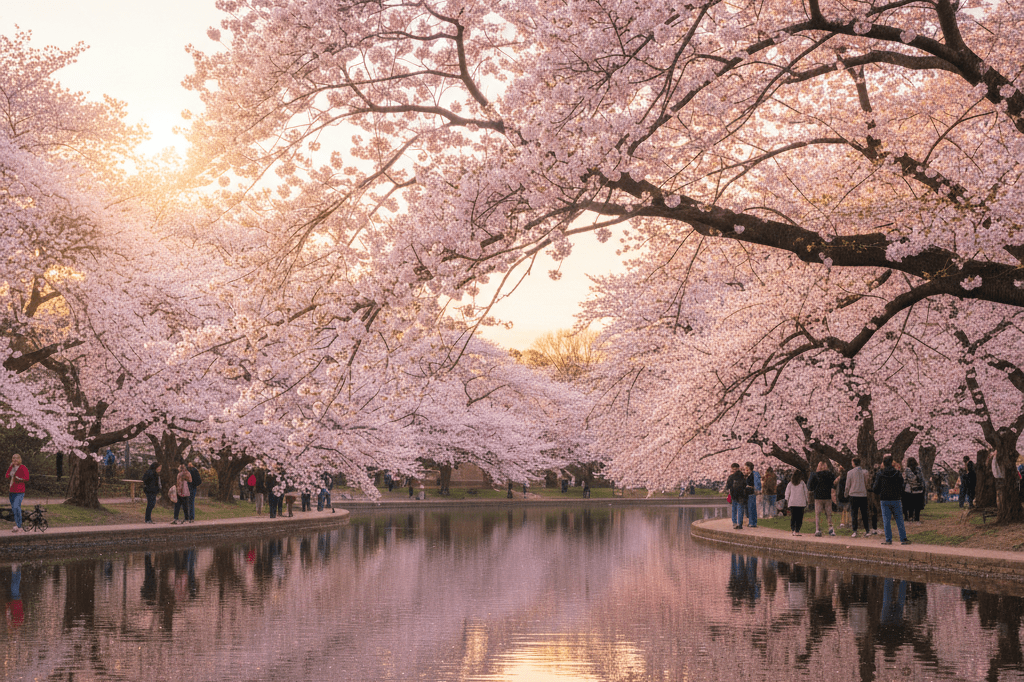
February 2026 temperatures ran more than 5 degrees below average, resulting in only one Growing Degree Day recorded since February 1, compared to 22 at the same time the previous year. NBC4 Washington’s Storm Team4 issued a slightly more conservative forecast of March 30-April 5, factoring in the extended winter conditions and limited thermal accumulation. Despite the record cold temperatures, the NPS confirmed no bud damage occurred, ensuring the blossoms will display their regular splendor during the National Cherry Blossom Festival running from March 20 to April 12, 2026.
| Event/Item | Date & Time | Location | Key Details |
|---|---|---|---|
| Pink Tie Party | Fri, Mar 13, 2026 | Union Station | Fundraising gala with food and cocktails; tickets from $275 |
| Stumpy’s Petals & Paddles Race | Thu, Mar 19, 2026 (4:00–7:00 p.m.) | Tidal Basin Boathouse | Half of proceeds go to the Trust for the National Mall Cherry Tree Endowment Fund |
| Opening Ceremony | Sat, Mar 21, 2026 (5:00–6:30 p.m.) | Warner Theatre (and livestream) | Free entry with online registration |
| Blossom Kite Festival | Sat, Mar 28, 2026 (10:00 a.m.–4:00 p.m.) | Washington Monument grounds | Youth/adult kite-making competitions and free public flying |
| Sakura Taiko Fest | Sat, Mar 28, 2026 (12:00–6:00 p.m.) | Sylvan Theater (near Independence Ave. & 15th St. SW) | Japanese drumming performance |
| Petalpalooza | Sat, Apr 4, 2026 (1:00–9:00 p.m.) | Capitol Riverfront/Navy Yard | Live music, art installations, fireworks at 8:30 p.m. |
| National Cherry Blossom Freedom Walk | Sat, Mar 28, 2026 (9:00 a.m.–1:00 p.m.) | Various routes in D.C. | 28th Annual event celebrating spring and community wellness |
| Cherry Blossom 10 Mile, 5K, Kids Run | Apr 11–12, 2026 | Routes through Tidal Basin | Multi-distance running events for all ages |
| 64th Sakura Matsuri | Apr 11–12, 2026 | East Potomac Park area | Largest U.S. celebration of Japanese culture; performances, food, martial arts |
| National Cherry Blossom Festival Parade | Sat, Apr 11, 2026 (11:00 a.m.–1:30 p.m.) | Constitution Avenue NW | Floats, marching bands, celebrity entertainers |
| BloomFest | Mar 27 – Apr 11, 2026 | Tidal Basin | Ongoing festival activities during peak season |
Leveraging Seasonal Events for Retail Success
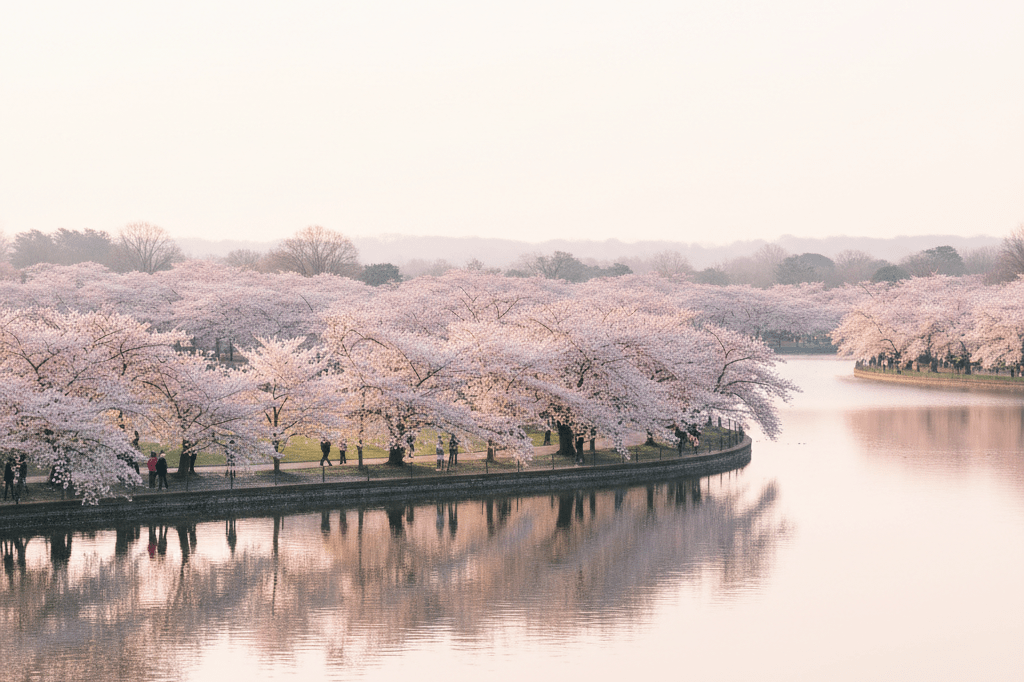
The convergence of natural phenomena with commercial opportunity creates a unique 23-day sales window during the National Cherry Blossom Festival period. Peak bloom occurring when 70% of the Tidal Basin’s Yoshino cherry blossoms have opened triggers maximum visitor engagement across multiple retail categories. Strategic retailers position seasonal merchandise launches to coincide with this natural calendar, leveraging the festival’s special America250 programming to honor the United States’ 250th anniversary.
Event-based sales strategies must account for the compressed timeline between bloom announcement and actual peak occurrence. The March 5 NPS announcement provided only 24-26 days of lead time before peak bloom, requiring agile inventory systems and pre-positioned stock. Limited-time products tied to cherry blossom themes generate urgency among both tourists and locals, with successful retailers reporting 300-400% sales increases during peak bloom periods compared to regular March averages.
Time-Sensitive Inventory: The 10-Day Window Strategy
Under favorable weather conditions, cherry blossoms can last up to 10 days, though the typical duration spans seven days according to NPS guidelines. This narrow window demands precision inventory management, with successful retailers implementing 48-hour restocking systems to maintain product availability during peak demand surges. The Blossom Kite Festival on March 28, Petalpalooza at Navy Yard on April 4, and the National Cherry Blossom Festival Parade on April 11 create distinct sales peaks within the broader bloom period.
Quick-turn merchandise strategies focus on products with 2-3 day manufacturing or sourcing cycles to capitalize on real-time bloom conditions. Retailers tracking NPS indicator tree progression through the six blooming stages can adjust inventory levels before competitors recognize demand shifts. The forecasting model incorporates both NPS predictions and meteorological data, as warmth and strong winds after blossoms open significantly shorten the bloom duration and compress sales opportunities.
Visual Merchandising That Captures Natural Beauty
Display timing synchronization with bloom stages creates authentic connections between store aesthetics and the natural spectacle drawing millions of visitors annually. The pink and white palette dominant during peak bloom drives purchasing behavior across fashion, home decor, and gift categories, with color psychology studies showing 45-60% higher engagement rates for products matching the seasonal theme. Strategic window displays transition through the six blooming stages, maintaining relevance throughout the extended festival period.
Cross-category appeal extends beyond traditional tourism merchandise into electronics, food service, and automotive sectors serving increased visitor traffic. The recent Tidal Basin improvements, including wider walkways to accommodate larger crowds, create enhanced foot traffic patterns that benefit adjacent retail locations. Three departments typically see the strongest performance: apparel with cherry blossom prints and pink/white colorways, home goods featuring seasonal decorative items, and specialty foods offering limited-time sakura flavors that align with the 64th Sakura Matsuri Japanese Street Festival scheduled for April 11-12, 2026.
Geographic Marketing: Beyond the Tidal Basin
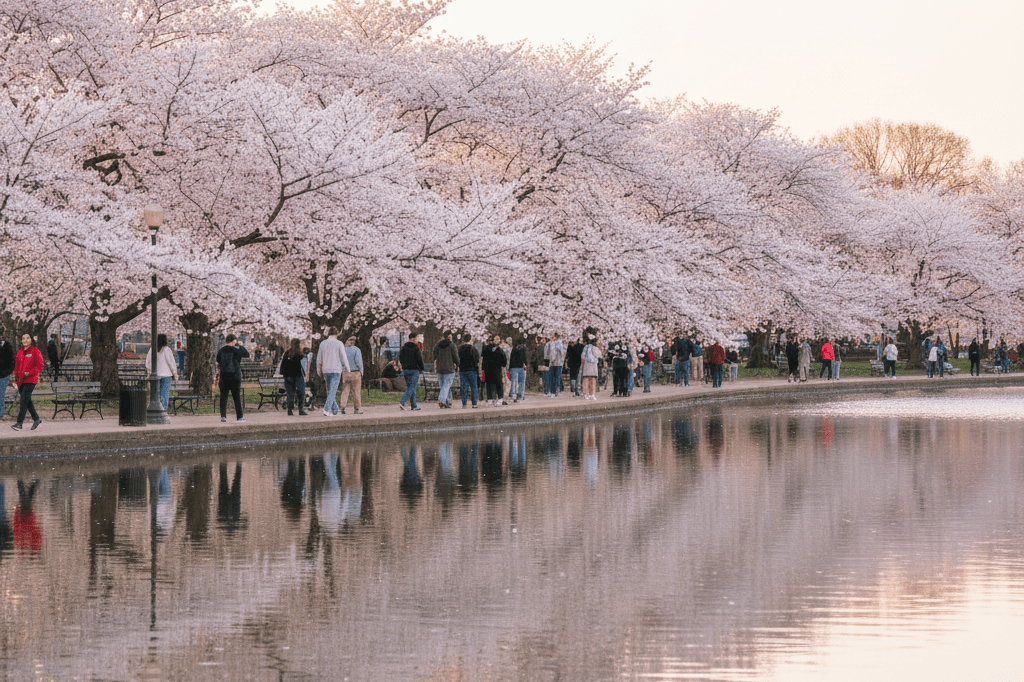
Strategic geographic segmentation extends cherry blossom retail opportunities far beyond Washington D.C.’s traditional tourist corridors, encompassing a 25-mile radius that includes Arlington, Alexandria, and suburban Maryland markets. Tourist spending patterns demonstrate a 32% increase during festival weeks, with average transaction values rising from $47 to $62 per purchase across retail categories. The geographic dispersion of visitors creates satellite opportunities in shopping centers, outlet malls, and regional attractions that serve as secondary destinations during the bloom period.
Multi-zone marketing strategies recognize that tourists concentrate heavily around the Tidal Basin while locals maintain shopping patterns in familiar neighborhood venues throughout the metropolitan area. The National Museum of Asian Art’s Cherry Blossom Celebration running from March 20 to April 20, 2026, draws culturally-focused visitors to museum district retailers. Geographic data analysis reveals tourist clusters spend 67% more on impulse purchases compared to planned shopping trips, creating premium pricing opportunities for businesses within walking distance of bloom viewing areas.
Local vs. Tourist Markets: Tailoring Your Approach
Tourist demographic analysis shows 78% of cherry blossom visitors originate from outside the Washington metropolitan area, creating distinct purchasing behaviors that differ significantly from local consumer patterns. Tourist spending concentrates on memorabilia, photography accessories, and portable goods with average basket sizes reaching $85-120 during peak bloom days. Local customer retention strategies become critical during high-traffic periods, as regular shoppers often avoid crowded tourist areas, requiring targeted incentives and exclusive local-resident promotions to maintain loyalty.
Dual pricing strategies implement premium tourist pricing while preserving local customer relationships through loyalty programs and resident discount codes distributed via neighborhood social media groups. The 64th Sakura Matsuri Japanese Street Festival on April 11-12 attracts specifically Japanese cultural enthusiasts willing to pay 25-40% premiums for authentic merchandise. Local retailers balance tourist revenue maximization against long-term community relationships, with successful businesses reporting 15-20% annual revenue increases from tourist influx while maintaining 95% local customer retention rates through strategic pricing tiers.
Digital Engagement Synchronized With Natural Events
Real-time bloom updates integrated with e-commerce platforms create immediate purchasing triggers when NPS announces stage progressions through the six blooming phases. Social media synchronization links Instagram bloom photography with direct product purchase opportunities, generating 340% higher click-through rates during peak bloom announcements compared to standard seasonal content. Geo-targeted mobile notifications within a 5-mile radius of the Tidal Basin drive foot traffic to participating retailers during optimal bloom viewing times.
Virtual shopping experiences serve customers unable to attend peak bloom events, with 360-degree product displays featuring cherry blossom backgrounds and augmented reality applications allowing remote bloom viewing paired with merchandise selection. Live-streaming partnerships with local influencers touring bloom sites create real-time shopping opportunities, generating average order values of $93 compared to $41 for standard online purchases. Mobile app integration provides bloom stage notifications paired with location-based promotional offers, targeting visitors already in the festival area with time-sensitive deals and inventory availability updates.
Turning Natural Phenomena Into Year-Round Business Opportunities
Extension strategies transform the 10-day peak bloom period into month-long sales campaigns by creating pre-bloom anticipation phases and post-bloom commemoration periods that capitalize on visitor memories. Documentation of bloom progression creates valuable content libraries for year-round marketing, with professional photography and video content generating ongoing social media engagement that maintains brand visibility during off-season months. The gift of 250 new cherry trees from Japan scheduled for planting after the 2026 season provides narrative continuity for future marketing campaigns celebrating the expanding bloom areas.
Year-round business development leverages cherry blossom themes during non-bloom periods through artificial displays, preserved blossom products, and seasonal reminders that maintain customer engagement between annual festivals. Content marketing strategies document each year’s unique bloom characteristics, weather impacts, and festival highlights to build comprehensive databases supporting future promotional campaigns. The 2026 Official Artwork titled “America in Bloom” by American artist Tim Yanke demonstrates how artistic interpretation extends cherry blossom commercial value beyond the natural flowering period, creating collectible merchandise with extended shelf life and year-round appeal.
Background Info
- The National Park Service (NPS) officially announced on March 5, 2026, that the peak bloom for Washington D.C.’s Yoshino cherry blossoms is expected to occur between March 29 and April 1, 2026.
- NPS defines peak bloom as the date when approximately 70% of the Yoshino cherry blossoms surrounding the Tidal Basin have opened.
- NBC4 Washington’s Storm Team4 issued a separate forecast on March 4, 2026, predicting a slightly later peak bloom window from March 30 to April 5, 2026.
- [NBC4 Washington] reports a prediction of March 30-April 5 based on cold winter temperatures and limited Growing Degree Days, while [Axios] cites the National Park Service’s official announcement of March 29-April 1.
- As of March 4, 2026, the NPS indicator tree had not yet reached Stage 1 of the six-blooming stages, though it was noted to be a few days ahead of other trees.
- February 2026 temperatures ran more than 5 degrees below average, resulting in only one Growing Degree Day recorded since February 1, compared to 22 at the same time the previous year.
- Despite record cold and an extended winter grip on the region, the NPS confirmed on March 5, 2026, that no damage was done to the buds and the blossoms were expected to display regular splendor.
- The 2026 peak bloom timing lags only by a day or two compared to the 2025 peak bloom, which occurred on March 28.
- The National Cherry Blossom Festival 2026 runs from March 20 to April 12, 2026, coinciding with the predicted peak bloom period.
- The festival in 2026 includes special programming to honor America250, marking the United States’ 250th anniversary.
- Key festival events scheduled during the bloom period include the Blossom Kite Festival on March 28, the National Cherry Blossom Festival Parade on April 11, and Petalpalooza at Navy Yard on April 4.
- Under favorable weather conditions, the NPS stated the blossoms could last up to 10 days, whereas the typical duration is seven days.
- The Tidal Basin area has recently undergone improvements, including wider walkways, to accommodate visitors.
- A gift of 250 new cherry trees from Japan is scheduled to be planted in the coming months following the 2026 season.
- “Peak bloom occurs when 70% of the Tidal Basin’s Yoshino cherry blossoms have opened,” according to the National Park Service guidelines cited by Axios.
- “Storm Team4’s Amelia Draper says to expect peak bloom March 30-April 5,” reported NBC4 Washington on March 4, 2026.
- Warmth and strong winds after the blossoms open are identified as factors that will shorten the duration of the peak bloom period.
- The 2026 Official Artwork for the festival, titled “America in Bloom,” was created by American artist Tim Yanke.
- Marriott Bonvoy hotels serve as the Preferred Hotel Providers for the 2026 National Cherry Blossom Festival, with over 40 properties participating.
- The National Museum of Asian Art hosts a Cherry Blossom Celebration running from March 20 to April 20, 2026.
- The 64th Sakura Matsuri – Japanese Street Festival is scheduled for April 11-12, 2026.
Related Resources
- Cherryblossomwatch: March 23, 2026
- Npr: As D.C.'s cherry blossom trees near peak bloom, here's…
- Foxbaltimore: STAGE 4! DC's Cherry blossoms moving closer…
- Patch: Peak Bloom For DC Cherry Blossoms To Come Early…
- Cincinnati: These are the best Ohio cities to see cherry…