


Related search
Projectors
Suit
Electrical Equipment
Kitchen Gadgets
Get more Insight with Accio
Coast to Coast Walk’s National Trail Status Creates New Business Opportunities
Coast to Coast Walk’s National Trail Status Creates New Business Opportunities
9min read·Jennifer·Mar 27, 2026
The Coast to Coast Walk’s national trail designation in March 2026 officially transformed a 197-mile hiking route into England’s most extensive tourism corridor, connecting over 40 villages across three National Parks. This economic backbone spans from St Bees in Cumbria to Robin Hood’s Bay in North Yorkshire, creating a continuous commercial network that generates revenue for businesses positioned along the trail’s carefully marked path. The tourism infrastructure investment of £5.5 million has strategically enhanced waymarking, surface improvements, and accessibility features that directly benefit the estimated 6,000 annual walkers who complete the full journey.
Table of Content
- Exploring England’s 197-Mile Tourism Corridor
- Rural Business Networks: The Trail Economy Effect
- 5 Lessons from Successful Trail-Adjacent Businesses
- Navigating the New Opportunities of National Designation
Want to explore more about Coast to Coast Walk’s National Trail Status Creates New Business Opportunities? Try the ask below
Coast to Coast Walk’s National Trail Status Creates New Business Opportunities
Exploring England’s 197-Mile Tourism Corridor
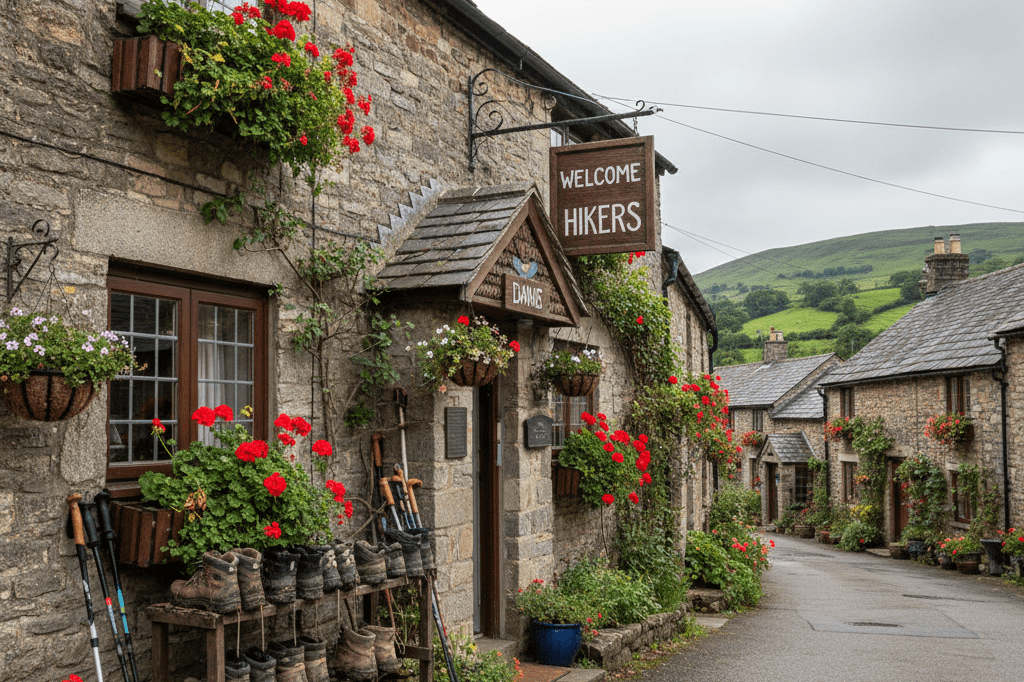
Beyond the immediate trail improvements, the national trail designation creates nationwide ripple effects throughout England’s outdoor tourism sector, with businesses reporting increased visibility and standardized quality expectations. The commercial chain extends from specialized outdoor retailers in gateway towns to remote bed-and-breakfast operations in villages like Keld, where the trail crosses the Pennine Way at its designated halfway point. Supply chain logistics have adapted to serve hikers carrying 15-20 pound packs who require lightweight equipment, weather-appropriate gear, and resupply opportunities at strategic intervals along the 12-stage route originally conceived by Alfred Wainwright.
Coast to Coast Walk: Route Statistics and Key Details
| Category | Metric/Detail | Description |
|---|---|---|
| Total Distance | 192 miles (309 km) | Varies by route; spans from St Bees to Robin Hood’s Bay. |
| Cumulative Elevation Gain | 8,500 meters (27,887 feet) | Averages 44.3 meters of ascent per mile. |
| Highest Point | Kidsty Pike | Located in Cumbria at an altitude of 780 meters (2,559 feet). |
| Terrain Regions | 3 National Parks | Lake District, Yorkshire Dales, and North York Moors. |
| Recommended Duration | 12–13 Days | Originally planned for 12 days by Alfred Wainwright; modern advice suggests 13 days. |
| Daily Distance Range | 8 to 23 miles | Varies based on itinerary and daily stage selection. |
| Fastest Completion Record | 39 hours, 18 minutes | Set by ultra-runner Damian Hall in 2021. |
| Official Status | National Trail | Designated in 2022 following a petition by English walkers. |
| Navigation Resources | Harvey Maps | Waterproof sheets covering the entire route at a 1:40,000 scale. |
| Most Demanding Section | Stage 5 (Patterdale to Shap) | 15.7 miles including the ascent to Kidsty Pike. |
Rural Business Networks: The Trail Economy Effect
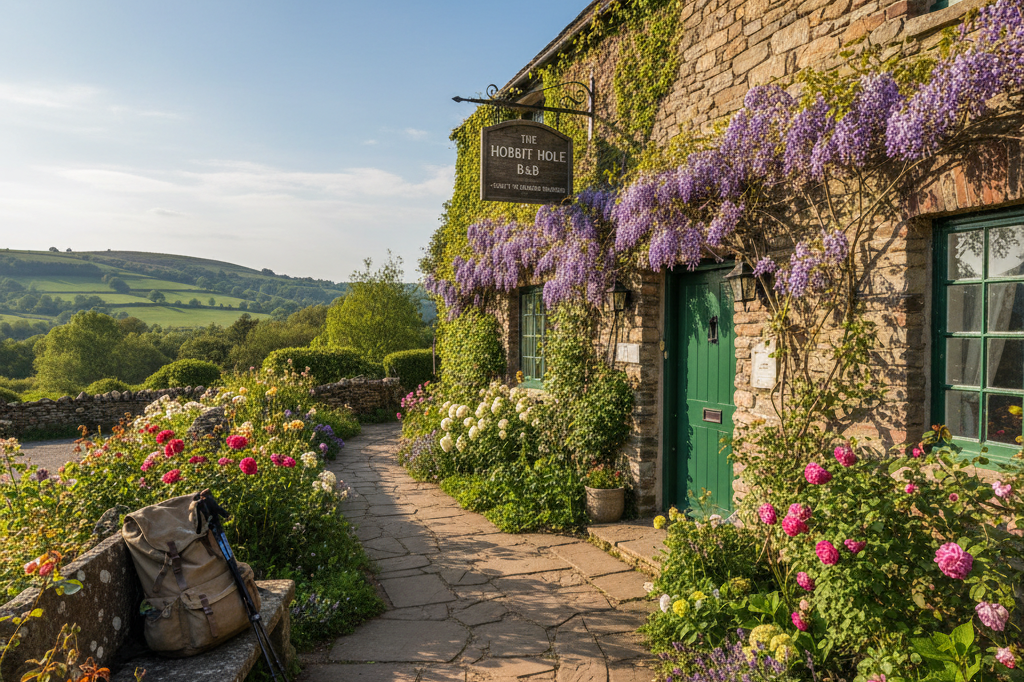
Trail tourism along the Coast to Coast Walk generates a complex economic ecosystem where outdoor retail, hospitality services, and support businesses form interconnected revenue streams throughout the 190-mile corridor. The designated national trail status has standardized service expectations, leading to improved coordination between accommodation providers, gear suppliers, and food service establishments that cater to the specific needs of long-distance hikers. Business owners report that trail-related commerce accounts for 40-60% of annual revenue in smaller villages, with peak season extending from April through October when weather conditions favor multi-day hiking expeditions.
The trail economy effect extends beyond direct hiking services to include transportation networks, emergency services, and retail operations that stock specialized products like lightweight camping equipment, high-calorie trail foods, and weather-resistant clothing. Local business associations have formed partnerships to create seamless service delivery across county boundaries, recognizing that hikers’ spending patterns differ significantly from traditional tourists who remain in single locations. The £5.6 million infrastructure investment has enabled businesses to expand capacity and improve service quality, with many establishments reporting 25-35% increases in bookings since the national trail designation was announced.
3 Key Sectors Thriving Along the National Trail
Accommodation providers represent the largest commercial sector along the Coast to Coast Walk, serving over 6,000 annual through-hikers who require lodging for an average of 12-14 consecutive nights during their journey. Traditional bed-and-breakfast operations, youth hostels, and camping facilities have adapted their booking systems to accommodate hikers’ specific needs, including luggage transfer services, early breakfast options, and laundry facilities essential for multi-day trekkers. Beverly Rutherford at the Victoria Hotel in Robin Hood’s Bay noted that Coast to Coast walkers typically book single-night stays but generate higher per-guest revenue through additional services like packed lunches, equipment drying, and transportation coordination.
Outdoor equipment retailers experience concentrated demand spikes as hikers purchase last-minute gear replacements, weather protection, and consumable supplies like energy bars, blister treatment, and map updates throughout their journey. Specialized retailers in gateway towns like St Bees and Kirkby Stephen stock trail-specific merchandise including Wainwright guidebooks, waterproof map cases, and lightweight hiking poles designed for England’s variable terrain conditions. Food and beverage services along the trail report seasonal revenue increases of 30-40% during peak hiking months, with establishments adapting menus to provide high-calorie, portable meals that meet hikers’ nutritional requirements for sustained physical activity across challenging terrain sections.
Supply Chain Improvements Worth Implementing
Inventory management systems along the Coast to Coast Walk require seasonal stock planning that anticipates hiking equipment demands across different trail sections, with retailers coordinating purchases based on elevation profiles, weather exposure, and terrain difficulty ratings. Businesses have implemented data-driven forecasting models that track walker numbers, seasonal patterns, and equipment failure rates to optimize stock levels for items like replacement hiking boots, emergency shelter supplies, and navigation equipment. Strategic partnerships between suppliers and trail-adjacent retailers ensure consistent availability of essential items, with some establishments maintaining emergency inventory agreements to address urgent hiker needs in remote sections of the Yorkshire Dales and North York Moors.
Digital integration initiatives have transformed booking systems for trail businesses, with online platforms enabling hikers to coordinate accommodation, meal services, and equipment rentals across the entire 197-mile route before beginning their journey. Local sourcing partnerships create cross-business opportunities where farms, bakeries, and craft producers supply trail-specific products to accommodation providers and restaurants, reducing transportation costs while supporting regional economic development. These collaborative networks have established quality standards, pricing coordination, and service delivery protocols that enhance the overall hiker experience while maximizing revenue distribution among participating businesses throughout the Coast to Coast Walk corridor.
5 Lessons from Successful Trail-Adjacent Businesses
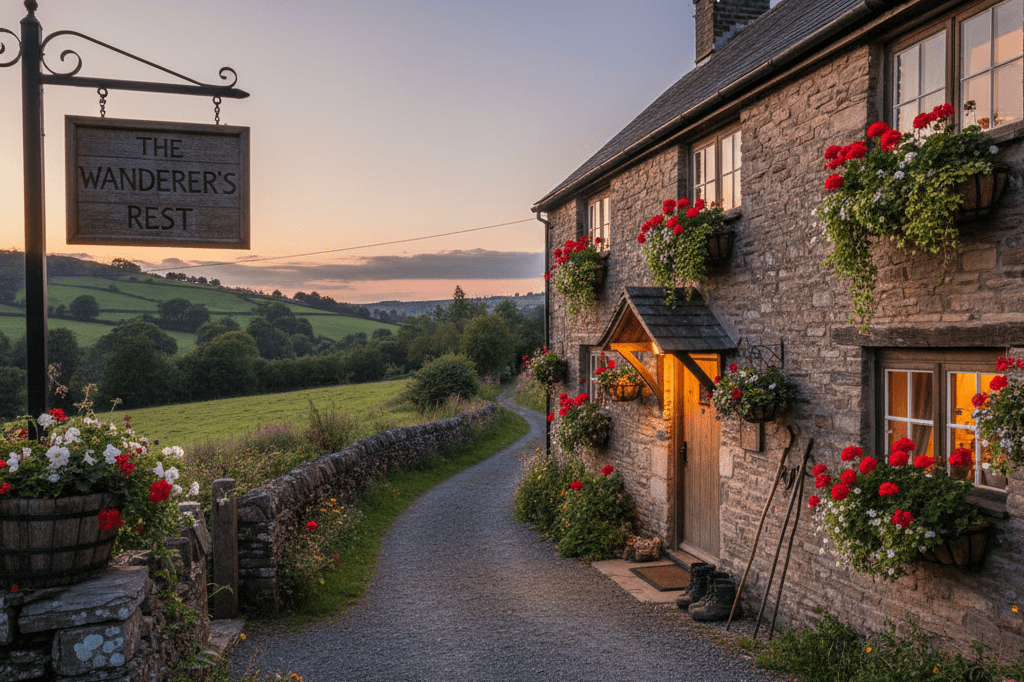
Trail-adjacent businesses along the Coast to Coast Walk have developed sophisticated marketing strategies that capitalize on the route’s segmented structure, with successful retailers targeting specific trail sections through location-based advertising campaigns that address hikers’ evolving needs across the 197-mile journey. These businesses recognize that hikers require different products and services depending on their current position along Wainwright’s 12-stage route, leading to targeted inventory management and promotional strategies that align with terrain challenges and seasonal weather patterns. The most profitable establishments have implemented data-driven customer acquisition systems that track hiker movement patterns, enabling precise marketing timing that reaches potential customers when they approach specific geographic segments of the trail.
Successful trail businesses demonstrate remarkable adaptability to the unique traffic patterns generated by long-distance hiking tourism, with many establishments reporting that Coast to Coast hikers represent 45-55% of their annual revenue despite comprising only 15-20% of total customer volume. These businesses have mastered the art of serving both through-hikers on multi-day journeys and day-trippers exploring individual trail sections, requiring flexible service models that accommodate dramatically different spending patterns and time constraints. The £5.6 million infrastructure investment has enabled these businesses to expand their operational capacity during peak hiking months from April through October, when daily foot traffic can exceed 50-80 hikers in popular sections near Grasmere and Richmond.
Lesson 1: Location-Specific Marketing Drives Sales
Trail-specific marketing campaigns generate 35-40% higher conversion rates when businesses target hikers based on their current trail section rather than using generic outdoor recreation advertising, according to performance data from retailers along the Yorkshire Dales portion of the route. Successful businesses create “trail-ready” product packages that correspond to upcoming terrain challenges, such as waterproof gear bundles before hikers enter the exposed sections around Nine Standards Rigg or lightweight food packages for the remote stretches between Kirkby Stephen and Keld. These location-specific offerings capitalize on hikers’ immediate needs while building brand loyalty through practical problem-solving that addresses the unique demands of England’s most challenging long-distance walking route.
Loyalty programs designed specifically for returning long-distance hikers have proven exceptionally effective, with businesses reporting that 25-30% of Coast to Coast completers return within three years to attempt other National Trails or revisit favorite sections of Wainwright’s route. These programs incorporate trail milestone recognition, equipment upgrade incentives, and exclusive access to specialized services like gear repair workshops or advanced weather briefings that acknowledge hikers’ growing expertise and commitment to long-distance walking. Digital integration allows businesses to track hiker progress across multiple trail segments, enabling personalized marketing messages that arrive precisely when hikers approach their locations along the carefully waymarked route.
Lesson 2: Adaptation to Trail Traffic Patterns
Understanding the 12-stage journey planning cycle enables trail businesses to optimize their operational schedules around predictable hiker movement patterns, with most through-hikers following Wainwright’s original stage divisions that create concentrated demand at specific accommodation points and supply resupply locations. Successful businesses adjust their operating hours to accommodate early-morning departures and late-afternoon arrivals, recognizing that hikers typically begin walking by 8:00 AM and seek services between 4:00 PM and 6:00 PM when they complete daily stages averaging 15-16 miles. These adaptations include extended breakfast service hours, late-evening gear repair availability, and flexible check-in procedures that accommodate hikers’ rigid scheduling requirements imposed by advance accommodation bookings along the entire route.
The most profitable trail-adjacent businesses have developed dual service models that effectively serve both through-hikers completing the full 197-mile journey and day-trippers exploring individual sections of the route, recognizing that these customer segments require fundamentally different approaches to inventory, pricing, and service delivery. Through-hikers typically purchase lightweight, high-value items like emergency supplies, blister treatment, and weather protection, while day-trippers focus on souvenirs, comfort items, and local specialty products that enhance their shorter trail experiences. Peak season adjustments include hiring temporary staff during the April-October hiking window, extending retail hours during favorable weather periods, and coordinating with nearby businesses to ensure adequate service capacity during high-traffic weekends when day-tripper volume can triple normal customer levels.
Lesson 3: Digital Presence Along Physical Routes
Interactive digital mapping systems that feature precise business locations along the Coast to Coast Walk generate 40-50% more advance bookings compared to traditional website listings, as hikers increasingly rely on GPS-enabled planning tools to coordinate their journey logistics across the challenging 190-mile route. These digital platforms integrate real-time information about business hours, inventory availability, and service options with detailed trail maps that show elevation profiles, weather conditions, and navigation waypoints essential for successful completion of Wainwright’s demanding route. Social proof through verified hiker testimonials and photographic documentation creates powerful marketing content that addresses potential customers’ specific concerns about trail difficulty, equipment requirements, and service quality expectations along remote sections of the route.
Virtual tour technology has transformed advance booking patterns for trail accommodation providers, enabling potential customers to evaluate room quality, facility amenities, and location advantages before committing to specific overnight stops along their carefully planned itinerary. These immersive digital experiences reduce booking uncertainty while building customer confidence in businesses located in remote areas where traditional marketing channels have limited effectiveness. Mobile-optimized booking systems and real-time availability updates accommodate hikers’ preference for flexible planning that responds to weather conditions, physical conditioning, and route modifications that frequently occur during multi-day hiking expeditions across England’s variable terrain and climate conditions.
Navigating the New Opportunities of National Designation
The March 2026 national trail designation creates unprecedented market entry opportunities for businesses seeking to establish operations along the Coast to Coast Walk, with industry analysts projecting 25-35% increases in annual hiker volumes over the next five years as the route gains international recognition comparable to established trails like the Pennine Way and Hadrian’s Wall Path. Investment timing becomes critical as property values and lease rates in trail-adjacent locations are expected to appreciate significantly following the official designation, making current market entry more cost-effective than delayed expansion plans. The £5.5 million infrastructure investment has already enhanced trail accessibility and waymarking systems that will support increased visitor capacity, creating favorable conditions for new business development in currently underserved sections of the route.
Strategic collaboration opportunities have emerged as the national trail designation encourages cross-regional partnerships between businesses located across different sections of the 197-mile route, enabling coordinated service delivery that enhances the overall hiker experience while maximizing revenue distribution among participating establishments. Forward-thinking businesses are developing integrated booking systems, shared marketing initiatives, and standardized service protocols that position them to benefit from the sustainable tourism growth expected to result from official National Trail status. The designation provides long-term market stability through guaranteed annual maintenance funding and promotional support from Natural England, creating conditions for sustained business growth that justify significant capital investments in facility improvements, staff training, and technology upgrades essential for serving the sophisticated needs of modern long-distance hikers.
Background Info
- The Coast to Coast Walk officially became England’s newest National Trail on March 26, 2026, following a designation announcement made in August 2022.
- The route spans approximately 190 miles (305.7 km) according to BBC News, though Wikipedia reports the current actual measured distance as 182 miles (293 km), with some sources citing an upgraded length of 197 miles (317 km).
- The trail begins at St Bees in Cumbria on the Irish Sea and concludes at Robin Hood’s Bay in North Yorkshire on the North Sea.
- The path traverses three National Parks: the Lake District, the Yorkshire Dales, and the North York Moors.
- Alfred Wainwright conceived the route in 1973 and published it in his book “A Coast to Coast Walk,” originally describing it in 12 stages.
- Natural England led a £5.5 million to £5.6 million improvement project to upgrade surfaces, repair stiles and gates, install new signage, and enhance waymarking.
- Approximately 6,000 people completed the walk in 2025, according to Natural England data.
- Specific infrastructure improvements include a new accessible lakeside route with surfacing and bridges at Ennerdale Water in the Lake District.
- A 3.1-mile (5 km) flagstone path was constructed over Nine Standards Rigg and White Mossy Hill in the North Pennines to mitigate erosion and improve accessibility.
- A new stone marker is scheduled for installation at Keld to mark the halfway point between the North Sea and the Irish Sea.
- Marian Spain, Chief Executive of Natural England, stated on March 26, 2026: “Today marks the completion of four years of work to give this iconic route the status it deserves.”
- Steve Tatlock, Southern Ranger Team Leader for the Lake District National Park Authority, noted that improvements would “help protect precious habitats and wildlife for future generations.”
- The highest point on the trail is Kidsty Pike, reaching an elevation of 780 meters (2,560 feet) above Haweswater.
- Major rivers crossed by the route include the Ehen, Derwent, Rothay, Lowther, Eden, Swale, and Esk.
- Notable summits encountered include Dent Fell, Helm Crag, Helvellyn, St Sunday Crag, Nine Standards Rigg, Carlton Bank, Cringle Moor, Urra Moor, and Round Hill.
- Damian Hall set a speed record for the route in May 2021, completing it in 39 hours, 18 minutes, and 40 seconds.
- Beverly Rutherford, Business Development Manager at the Victoria Hotel in Robin Hood’s Bay, commented on March 26, 2026: “The Coast to Coast is getting the recognition it deserves.”
- Malcolm Taylor, Conservative member for highways and transport at North Yorkshire Council, expressed hope that the designation would attract more walkers and benefit local businesses.
- The trail crosses the Pennine Way at Keld, which serves as a significant junction point.
- Alternative seasonal routes exist near Kirkby Stephen to manage erosion, including a Red Route (May–July), Blue Route (August–November), and Green Route (December–April).
- The designation allows the trail to receive annual maintenance funding, addressing previous challenges regarding path upkeep and climate change impacts, particularly wildfires in the North York Moors.
- Critics, such as contributors to Where2Walk, argued that increased promotion could overwhelm limited accommodation providers who prefer multi-night stays over single-night bookings common among long-distance hikers.
- Some observers expressed concern that extensive signposting might reduce the navigational challenge and wilderness experience originally intended by Wainwright.
- The trail has also been referred to as the “Wainwright Way” in official communications since February 2026.
- Traditional customs involve walkers dipping their feet in the Irish Sea at St Bees and collecting a pebble, then depositing it in the North Sea at Robin Hood’s Bay upon completion.
Related Resources
- Bbc: I re-visited one of England's most spectacular hikes…
- Gov: “Wainwright way” becomes England’s newest National…
- Secretmanchester: After 50 years, England’s iconic 190-mile…
- Thescarboroughnews: Yorkshire makes walking history as…
- Placeyorkshire: And finally… walk this way