


Related search
Computer Accessories
Sugar Bowl
Engagement Rings
Electrical Wiring Supplies
Get more Insight with Accio
Choosing the Best Material for Kitchen Cabinets: A Comprehensive Guide
Choosing the Best Material for Kitchen Cabinets: A Comprehensive Guide
4min read·Leon Rupia·Mar 26, 2026
When shopping for kitchen cabinets, the cabinet material is one of the key factors that influences buyers’ purchasing decisions. If the cabinet materials you’re offering don’t match your target market’s preferences, you might end up with slow-moving inventory or even deadstock. Want to avoid these pitfalls?
This guide explores the best materials for kitchen cabinets and what to consider when selecting a material to help you make an informed decision.
Table of Contents
- 7 popular kitchen cabinet materials
- What to consider when choosing the best material for kitchen cabinets
- Best materials by market segment
- Final thoughts
Want to explore more about Choosing the Best Material for Kitchen Cabinets: A Comprehensive Guide? Try the ask below
Choosing the Best Material for Kitchen Cabinets: A Comprehensive Guide
7 popular kitchen cabinet materials
There’s no one-size-fits-all kitchen cabinet material that’s suitable for all buyers. Depending on budget, design preferences, and durability requirements, buyers may prefer certain cabinet options over others.
Whether you’re stocking a hardware retail business or supplying contractors, here are sevenhighly sought-after cabinet options on the market today.
1. Solid wood
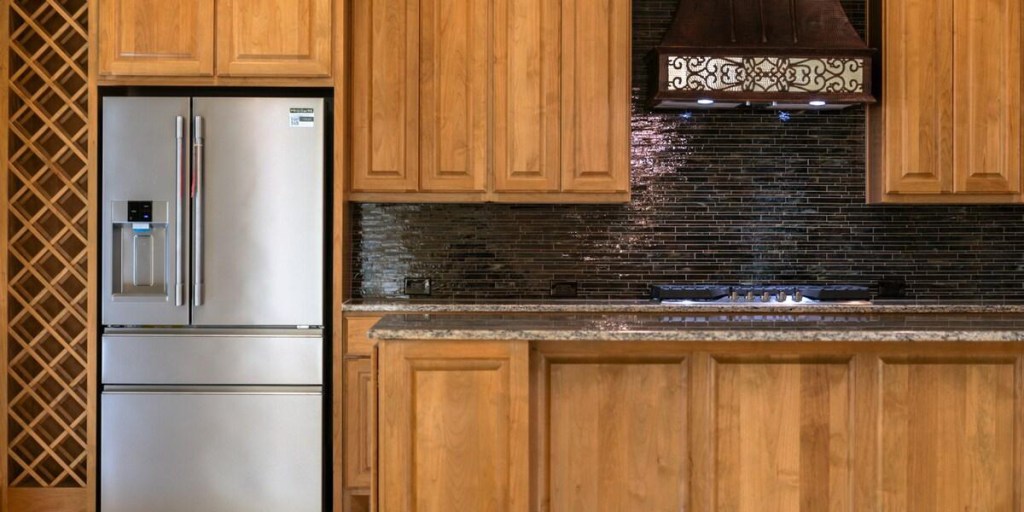
Solid wood is a timeless kitchen cabinet option that’s prized for its natural beauty. If you’re targeting mid- to high-end buyers or supplying premium kitchen cabinets, solid wood is likely to appeal to your target market.
Solid wood cabinets are milled directly from timber, giving them a distinct appearance and texture that engineered materials can’t match. Popular solid wood options for kitchen cabinets include oak, maple, and cherry.
2. Plywood
Plywood is an engineered wood product that’s made by layering multiple thin layers of wood veneer together and bonding them under heat and pressure. This production process is what gives plywood its exceptional strength, stability, and resistance to warping.
Plywood tends to appeal to contractors and builders looking for a durable material without a premium price tag. If you’re seeking a material that balances cost and performance, plywood is a worthwhile addition to your inventory.
3. Medium-density fiberboard (MDF)
MDF is made by combining wood fibers with resin under high heat and pressure. This results in a smooth, grain-free material with no blemishes that takes paint well. If you’re targeting budget-conscious buyers who don’t want to compromise on aesthetics, consider stocking MDF.
4. Particleboard
Particleboard is an ideal option for buyers with tight budgets. Made from wood chips and sawdust, and bonded with resin, particleboard is the least expensive engineered wood option available.
While its affordability makes it an attractive option for many buyers, particleboard isn’t suitable for situations where cabinets need to bear heavy weights. This quality limits its applications.
5. Thermofoil
Thermofoil is a unique vinyl material that’s heat-fused to MDF, plywood, or other engineered wood cores. This process produces a seamless, smooth finish that can almost imitate the look of painted wood without the upkeep. Thanks to this quality, thermofoil tends to attract budget-conscious shoppers who want a stylish, low-maintenance finish at a reasonable price.
6. Bamboo
More than four in five customers are willing to pay more for sustainably produced or sourced items. As sustainability becomes a growing priority for homeowners and contractors alike, adding bamboo to your inventory can help position your business as one that takes environmental responsibility seriously.
While bamboo isn’t as popular as other cabinet materials, it’s stronger than many hardwoods and increasingly sought after by eco-conscious buyers. For these reasons, don’t overlook it as it can be one of the best performers in your catalog.
7. Stainless steel

Stainless steel is a common cabinet material in commercial kitchens that need to pass food safety standards. Stainless steel cabinets are fabricated from metal alloy panels. This gives them a sleek, professional appearance that wood-based cabinets can’t replicate.
If you’re operating in a market where modern and commercial kitchen cabinets are in demand, stocking stainless steel as a premium option can significantly grow your margins.
What to consider when choosing the best material for kitchen cabinets
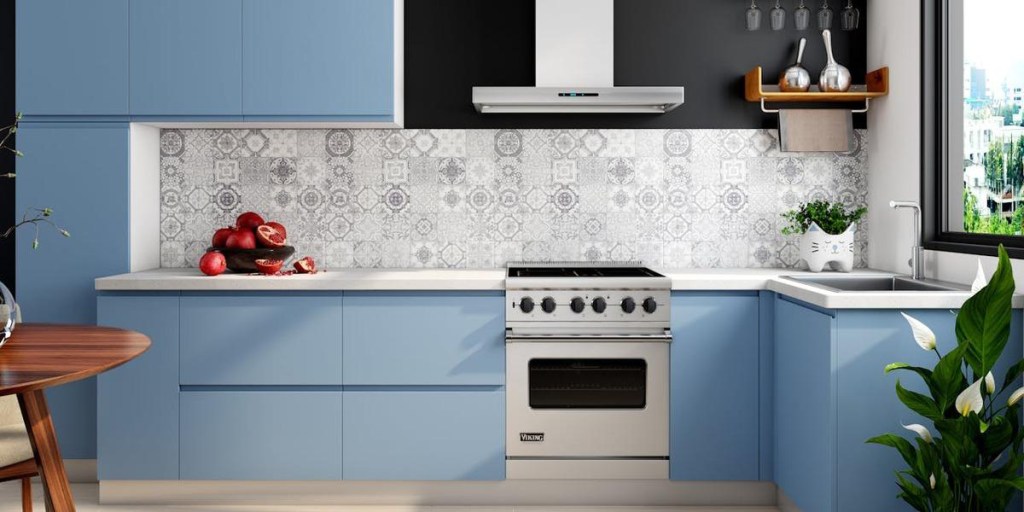
Choosing the right cabinet material is just one piece of the puzzle. When evaluating options, consider these factors before purchasing cabinets:
Market demand
Use market research tools to determine what your customers want. Are your target customers contractors looking for a budget-friendly material? Are they homeowners seeking a premium material? No matter your target market, stocking materials that align with demand reduces the risk of purchasing slow-moving inventory.
Assess price vs. margin
Before purchasing any material, evaluate what it costs to acquire, what it can realistically sell for, and what margin that leaves you. While a cheaper material like particleboard might drive higher sales volumes, it can quickly become unprofitable if buyers are unwilling to pay above a certain price point.
In contrast, a premium material like stainless steel may move in lower volumes. However, if buyers are willing to pay more for its aesthetic, it can be an excellent addition to your inventory.
Durability
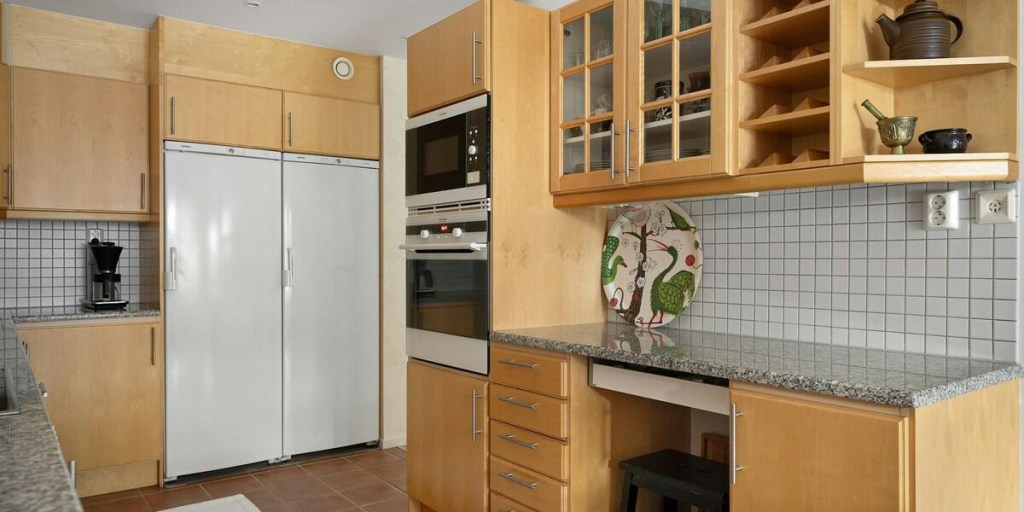
Consider how well each material holds up over time and under the demands of daily use. If you are supplying buyers who are fitting out low-traffic spaces or have tight budgets, a less durable material like particleboard may suffice. For buyers working on high-traffic residential or commercial spaces, durable materials like solid wood and stainless steel are likely to be more appealing.
Finish compatibility
Evaluate how well each material accepts paint, stain, laminate, or veneer. Materials that support a variety of finishes give your buyers more design flexibility and styling options.
For instance, solid wood can be stained, painted, or varnished to suit almost any design aesthetic. In contrast, stainless steel offers limited flexibility, as its finish is largely fixed after manufacturing.
Maintenance requirements

Some cabinet materials are tougher to maintain than others. For instance, while solid wood requires regular sealing, staining, or refinishing to stay in good condition, stainless steel cabinets only require a simple wipe-down with a soft cloth, water, and a mild detergent. As a result, commercial buyers with high-traffic kitchens may prefer stainless steel to solid wood.
Best materials by market segment
Still undecided between various options? Here’s an overview of the best materials based on market segment:
| Recommended material | Market segment |
| Solid wood | High-end. e.g., contractors working on luxury remodels |
| Plywood | Mid-range, e.g., contractors working on mid-range residential projects |
| MDF | Mid-range |
| Particleboard | Budget, e.g., budget-conscious homeowners working on a simple remodel |
| Bamboo | Eco-conscious |
| Thermofoil | Contemporary |
| Stainless steel | Commercial |
Final thoughts
There’s no single best kitchen cabinet material, as each has its pros and cons. When selecting a material, the right choice primarily depends on your target market’s preferences. For instance, while stainless steel cabinets may appeal to restaurant owners, budget-conscious homeowners may prefer particleboard.
That said, finding the right suppliers is critical to finding high-quality cabinets. If you want to take the guesswork out of sourcing and connect with trusted vendors, Accio can help. It’s a powerful sourcing agent that helps buyers like you find verified suppliers and compare them based on various criteria, such as pricing, lead times, certifications, production capacity, minimum order quantities, and more.
Whether you’re sourcing bamboo for a sustainable kitchen project or plywood for a high-volume contractor order, Accio lets you find reputable suppliers in minutes, not hours or days.