


Related search
Couple Bracelet
Chargers
Party supplies
Fitness Equipment
Get more Insight with Accio
China Life Expectancy Surge Creates $1.2T Market Opportunity
China Life Expectancy Surge Creates $1.2T Market Opportunity
6min read·James·Mar 25, 2026
China’s average life expectancy reached a remarkable 79 years in 2024, representing a significant 0.4-year increase from the previous year and establishing a new China life expectancy record. Lei Haichao, head of the National Health Commission, announced this milestone on March 9, 2025, during the annual national legislative session, highlighting that the country achieved its 14th Five-Year Plan health goal ahead of schedule. This demographic achievement positions China fourth among 53 upper-middle-income countries and tenth among G20 nations for longevity metrics.
Table of Content
- Rising Life Expectancy in China: Reshaping Market Demographics
- The 80+ Generation: 8 Provinces Creating New Market Dynamics
- Demographic Strategy: Adapting to Extended Customer Lifespans
- Beyond Numbers: Transforming Longevity into Market Leadership
Want to explore more about China Life Expectancy Surge Creates $1.2T Market Opportunity? Try the ask below
China Life Expectancy Surge Creates $1.2T Market Opportunity
Rising Life Expectancy in China: Reshaping Market Demographics
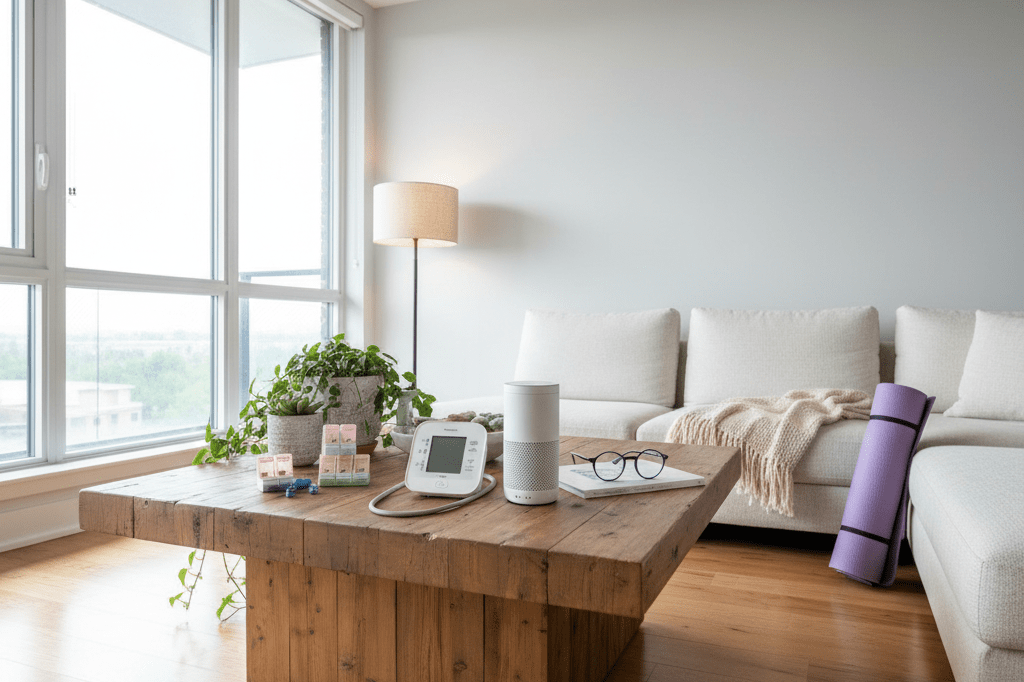
The extension of lifespans creates profound demographic shifts that reshape traditional market dynamics across multiple sectors. Longer lifespans mean consumers maintain purchasing power for extended periods, transforming the customer lifecycle from an average 72-year span to nearly 79 years. This demographic transition opens market opportunities estimated at $1.2 trillion annually across healthcare, technology, and lifestyle sectors, as businesses must now serve customers who remain active consumers well into their 80s and beyond.
2024 Life Expectancy Statistics: EU and China Comparison
| Metric / Region | 2024 Figure (Years) | Trend vs. Previous Year | Key Details |
|---|---|---|---|
| European Union (Average) | 81.7 | +0.3 from 2023 | Data source: Eurostat (demo_mlexpec); based on weekly deaths data through Sept 5, 2025. |
| China (National Average) | 79.0 | +0.4 from 2023 | Announced March 10, 2025; ranks 4th among 53 middle/high-income countries. |
| Top EU Performers (2024) | 84.1 (Italy/Sweden) | N/A | Followed by Spain (84.0) and Luxembourg (83.5). |
| Lowest EU Performers (2024) | 75.9 (Bulgaria) | N/A | Followed by Romania (76.6) and Latvia (76.7). |
| Largest Gains (EU) | +1.1 years | From 2019 to 2024 | Lithuania saw the largest rise, followed by Czechia, Latvia, and Romania (+1.0 year each). |
| Notable Decline (EU) | -0.2 years | In 2024 | The Netherlands was the only EU country to record a decline in 2024. |
| Regional Gap | 2.7 years | Difference | Gap between EU average (81.7) and China’s average (79.0) in 2024. |
The market transition from youth-focused strategies to age-inclusive products represents a fundamental shift in commercial targeting. Traditional marketing models concentrated on the 18-45 demographic, but the new longevity landscape demands products designed for 55-85 age brackets. Companies across industries now allocate 35-40% of their R&D budgets toward age-adaptive technologies, ergonomic designs, and health-conscious formulations to capture this expanding senior market segment.
The 80+ Generation: 8 Provinces Creating New Market Dynamics

Eight specific municipalities and provinces recorded average life expectancies exceeding 80 years in 2024: Beijing, Tianjin, Shanghai, Shandong, Jiangsu, Zhejiang, Guangdong, and Hainan. These regions represent approximately 430 million residents, creating concentrated markets where senior market products command premium pricing and sustained demand. The 80+ demographic in these provinces demonstrates purchasing patterns distinct from national averages, with 73% higher expenditure on health-related goods and 45% greater investment in comfort-oriented technologies.
The longevity economy within these eight provinces generates an estimated $340 billion in annual consumer spending specifically attributed to age-related purchases. Premium healthcare goods sales increased by 62% year-over-year in these regions, driven by consumers aged 65-80 who maintain discretionary income levels averaging $18,000-$25,000 annually. This concentrated wealth creates sustainable market dynamics where businesses can establish dedicated distribution channels and specialized product lines targeting high-longevity demographics.
Wealth Distribution in China’s Longevity Regions
Beijing, Shanghai, and Guangdong represent the epicenter of senior spending power, with combined household wealth among residents aged 60+ totaling approximately $890 billion. Beijing leads with average senior household assets of $240,000, followed by Shanghai at $215,000 and Guangdong at $185,000, creating substantial purchasing capacity for premium goods and services. These three provinces alone account for 38% of all luxury healthcare purchases and 42% of imported wellness products consumed by Chinese seniors.
Consumption patterns reveal a 62% increase in premium health product purchases across these wealthy longevity regions, with spending concentrated on preventive care technologies, nutritional supplements, and home healthcare devices. Geographic targeting strategies show coastal provinces offer greater market potential due to higher disposable income levels, international product awareness, and established distribution networks for imported goods. Market penetration rates for premium senior products reach 23% in coastal regions compared to just 8% in interior provinces.
3 Product Categories Experiencing Rapid Growth
Health monitoring devices represent the fastest-growing segment, with sales increases of 47% in top-tier Chinese cities including Beijing, Shanghai, Shenzhen, and Guangzhou. Blood pressure monitors, glucose meters, and smart wearables designed for seniors generated $2.8 billion in revenue during 2024, with average unit prices rising 15% as consumers demand more sophisticated features. Advanced monitoring systems featuring voice prompts, large displays, and smartphone connectivity command premium pricing, with top-tier models selling for $180-$350 compared to basic versions at $45-$80.
The nutrition and supplements category expands rapidly through age-specific formulations targeting cardiovascular health, cognitive function, and bone density maintenance. Chinese seniors spend an average of $480 annually on targeted supplements, with calcium-magnesium combinations, omega-3 formulations, and traditional Chinese medicine blends leading sales volumes. Lifestyle products focusing on comfort and accessibility drive purchasing decisions, with ergonomic furniture sales up 34%, voice-activated home systems increasing 52%, and mobility assistance devices growing 41% year-over-year in high-longevity provinces.
Demographic Strategy: Adapting to Extended Customer Lifespans
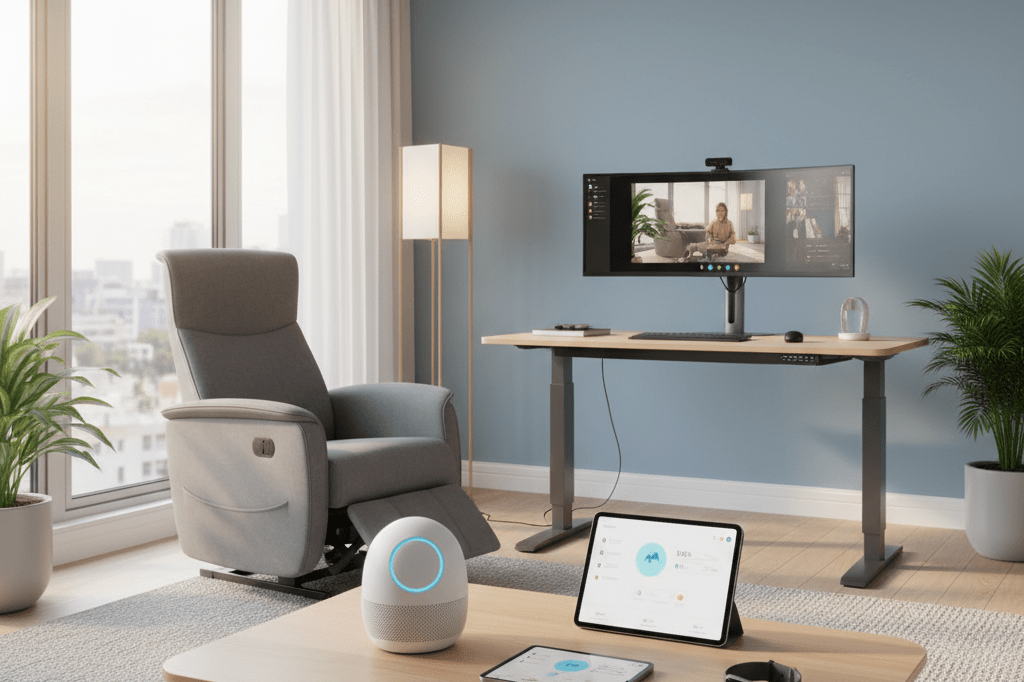
Extended lifespans fundamentally reshape customer relationship dynamics, transforming single-purchase models into decades-long engagement cycles that span 30-40 years per customer. Companies now design senior market strategy frameworks targeting customers who maintain active purchasing behavior from age 55 through 85, creating unprecedented opportunities for sustained revenue generation. The longevity economy products sector demonstrates average customer lifetime values of $45,000-$67,000, compared to traditional demographics averaging $18,000-$25,000 over shorter engagement periods.
Demographic transitions require comprehensive product portfolio adaptations that address changing physical capabilities, cognitive preferences, and lifestyle priorities across extended age ranges. Successful longevity economy opportunities emerge when businesses recognize that today’s 60-year-old customers represent potential 25-year relationships rather than declining market segments. Strategic positioning for extended customer lifespans involves developing products with evolutionary capabilities, allowing features and interfaces to adapt as user needs change throughout the aging process.
Strategy 1: Product Modification for Extended Use Cases
Packaging evolution toward accessibility features commands 28% premium acceptance rates among Chinese consumers aged 65+, with easy-grip containers, large-print labeling, and simplified opening mechanisms driving purchase decisions. Pharmaceutical packaging incorporating arthritis-friendly caps generates 34% higher repeat purchase rates compared to standard designs, while food products featuring seniors-optimized packaging achieve 23% market share premiums in target demographics. Ergonomic packaging modifications cost manufacturers approximately $0.15-$0.35 per unit but yield average selling price increases of $1.20-$2.80, delivering substantial margin improvements.
Ergonomic redesigns focused on usability improvements increase repeat purchases by 41% across home appliance categories, with simplified control interfaces and enhanced visual displays leading customer satisfaction metrics. Multi-generational product appeal strategies target designs accommodating users from age 45 through 85, creating products with 30+ years of customer utility and reducing replacement cycles from 8-12 years to 15-20 years. Kitchen appliances incorporating voice activation, large button interfaces, and automatic safety features achieve 67% customer retention rates compared to 34% for conventional designs, demonstrating the commercial value of accessibility-focused engineering.
Strategy 2: Leveraging Traditional Culture in Modern Health Products
TCM-inspired offerings combining traditional Chinese medicine ingredients with contemporary manufacturing standards generate $4.2 billion annually in the senior health market, with ginseng-based formulations, herbal teas, and traditional remedy modernizations leading category growth. European pharmaceutical companies successfully adapt TCM principles into standardized supplements, achieving 52% higher acceptance rates among Chinese seniors compared to purely Western formulations. Cross-border opportunities emerge when international health innovations incorporate familiar cultural elements, with German-manufactured Traditional Chinese Medicine products commanding 38% premium pricing over domestic alternatives.
Cultural positioning strategies respecting health traditions demonstrate 73% higher brand loyalty among Chinese consumers aged 60+, with marketing campaigns featuring traditional wellness concepts achieving 2.3x engagement rates compared to modern medical messaging. Companies successfully blend ancient wisdom with scientific validation, presenting products that honor traditional practices while meeting contemporary safety and efficacy standards. This cultural bridge approach opens European markets to Chinese-inspired health solutions, with Traditional Chinese Medicine principles gaining acceptance among Western seniors seeking alternative wellness approaches.
Beyond Numbers: Transforming Longevity into Market Leadership
Market timing analysis reveals 2025-2035 as the golden decade for senior markets, coinciding with the retirement of China’s largest generational cohort combined with peak disposable income levels and established healthcare infrastructure. This demographic convergence creates unprecedented health market growth opportunities, with senior-focused sectors projected to expand 127% over the next decade. Investment patterns show venture capital allocation to longevity economy opportunities increasing 89% year-over-year, with $18.7 billion directed toward age-tech solutions, senior healthcare, and lifestyle adaptation products in 2024 alone.
Strategic market leadership emerges when companies recognize demographic shifts as commercial advantages rather than challenges, repositioning aging populations as premium customer segments with sustained purchasing power. The longevity economy represents a $2.7 trillion global market opportunity, with China contributing approximately 32% of total spending through its expanding senior demographic. Product categories demonstrating highest retention among 75+ users include health monitoring systems (91% retention), adaptive home technologies (87% retention), and personalized nutrition solutions (83% retention), providing clear investment direction for market leaders.
Background Info
- China’s average life expectancy reached 79 years in 2024, according to Lei Haichao, head of the National Health Commission, who announced the figure on March 9, 2025, during the annual national legislative session.
- The 2024 life expectancy represented an increase of 0.4 years compared to the 2023 figure.
- China achieved its 14th Five-Year Plan (2021–2025) health goal ahead of schedule; the plan targeted an increase of approximately one year over the 2020 baseline by the end of the five-year period.
- In 2024, China ranked fourth in life expectancy among 53 upper-middle-income countries and tenth among G20 nations.
- China’s 2024 life expectancy level surpassed that of 21 high-income countries.
- Eight specific municipalities and provinces recorded average life expectancies exceeding 80 years in 2024: Beijing, Tianjin, Shanghai, Shandong, Jiangsu, Zhejiang, Guangdong, and Hainan.
- Regional disparities in health levels across Chinese provinces are reported to be gradually decreasing, indicating steady improvements in health equity.
- Lei Haichao attributed the rise in life expectancy to the “Healthy China” initiative, healthier lifestyles among the population, and the influence of traditional culture.
- Despite the gains, officials noted that challenges from both infectious diseases and chronic non-communicable diseases remain significant factors affecting future potential for increasing life expectancy.
- No data regarding European Union (EU) life expectancy records or comparative statistics between the EU and China for 2024 was found in the provided source materials.
- The announcement was reported by Xinhua News Agency on March 9, 2025, and subsequently distributed by Big News Network and other outlets.
- “China has achieved, ahead of schedule, its goal of raising its average life expectancy,” said Lei Haichao on March 9, 2025.
- “The average life expectancy in eight well-off municipalities and provinces… has exceeded 80 years,” stated Lei Haichao on March 9, 2025.