


Related search
Dog Toy
Cars with Custom Features
Projectors
Pendant
Get more Insight with Accio
Cherry Blossom Festival Retail Success: Seasonal Event Strategies
Cherry Blossom Festival Retail Success: Seasonal Event Strategies
8min read·Jennifer·Mar 27, 2026
Festival planning professionals understand that seasonal celebrations create unprecedented merchandise demand spikes, with specialized retailers reporting up to 62% increases in related product sales during peak event periods. The National Cherry Blossom Festival 2026, which ran from March 20 through April 12, demonstrated this phenomenon perfectly as vendors experienced surge demand for cherry blossom-themed merchandise, traditional Japanese products, and outdoor recreation goods. Purchasing departments that aligned their seasonal retail strategy with the festival timeline captured maximum revenue during Washington DC’s most attended spring events.
Table of Content
- Seasonal Events as Retail Catalysts: Cherry Blossom Lessons
- Nighttime Experiences: The New Retail Opportunity
- Geographic Merchandising Strategies Worth Adopting
- Transforming Seasonal Magic Into Year-Round Sales
Want to explore more about Cherry Blossom Festival Retail Success: Seasonal Event Strategies? Try the ask below
Cherry Blossom Festival Retail Success: Seasonal Event Strategies
Seasonal Events as Retail Catalysts: Cherry Blossom Lessons
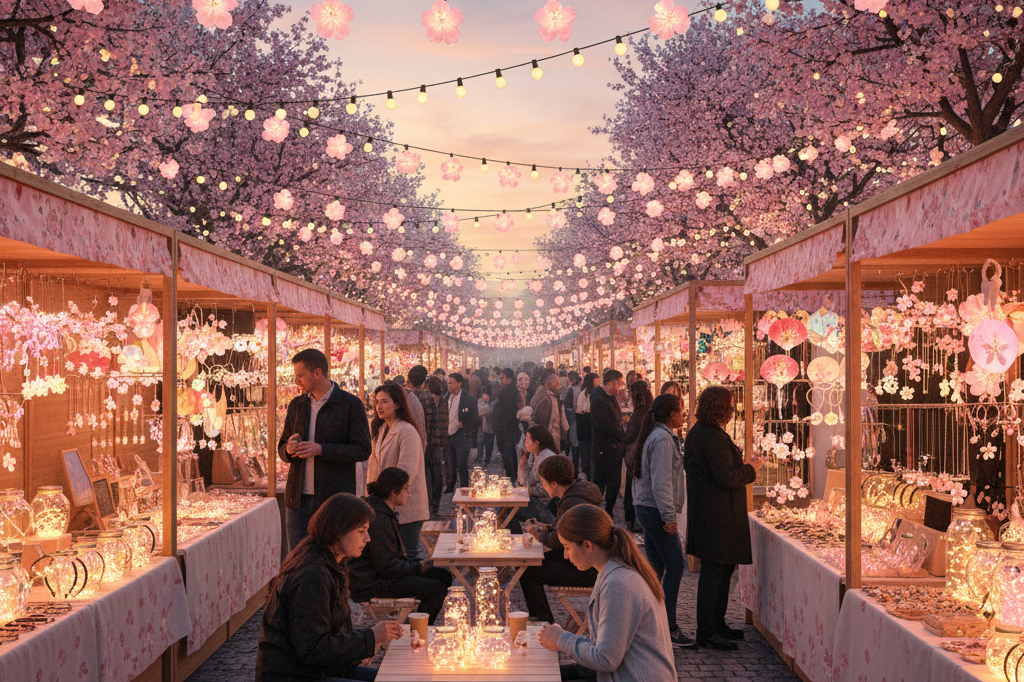
The business angle reveals how public celebrations translate directly into private commerce opportunities through strategic procurement timing. Smart retailers began stocking festival-related inventory 8-10 weeks before the March 20 opening, while wholesalers who missed this window faced stockouts during the critical peak bloom period in late March. Data from previous years shows that effective seasonal retail strategy requires coordinating with multiple supplier categories – from outdoor furniture manufacturers to specialty food distributors – to capitalize on the concentrated consumer spending that spring events generate.
2026 National Cherry Blossom Festival Key Events
| Event Name | Date & Time | Location | Key Details |
|---|---|---|---|
| Pink Tie Party | Friday, March 13, 2026 | Union Station | Theme: “Art of Fashion”; Runway show; Presented by Union Station DC and Design Cuisine with support from All Nippon Airways. |
| Opening Ceremony | Saturday, March 21, 2026 | DAR Constitution Hall | Co-presented with Japan Foundation; Free admission (advance ticket required with $5 processing fee); Venue changed from Warner Theatre. |
| Blossom Kite Festival | Saturday, March 28, 2026 | Washington Monument Grounds | Presented by Amazon; Theme: “Red, White and Bloom”; Features live Taiko drumming at the Sylvan Theatre. |
| Oxon Run Pinknic | Sunday, March 29, 2026 | Oxon Run Park | Community picnic event celebrating spring blooms. |
| Petalpalooza | Saturday, April 4, 2026 | Capitol Riverfront Neighborhood | New component: Cherry Blast®; Concludes with fireworks over the Anacostia River. |
| National Cherry Blossom Festival Parade® | Saturday, April 11, 2026 (11:00 AM – 1:30 PM) | Constitution Avenue NW (7th to 17th Streets) | Presented by Events DC; Grandstand tickets $34; Route covers 10 blocks starting near National Archives. |
| Sakura Matsuri | Saturday, April 11, 2026 (Post-Parade) | Following Parade Route | Produced by Japan-America Society of Washington DC; Features four stages, sake tasting, and food vendors. |
Nighttime Experiences: The New Retail Opportunity
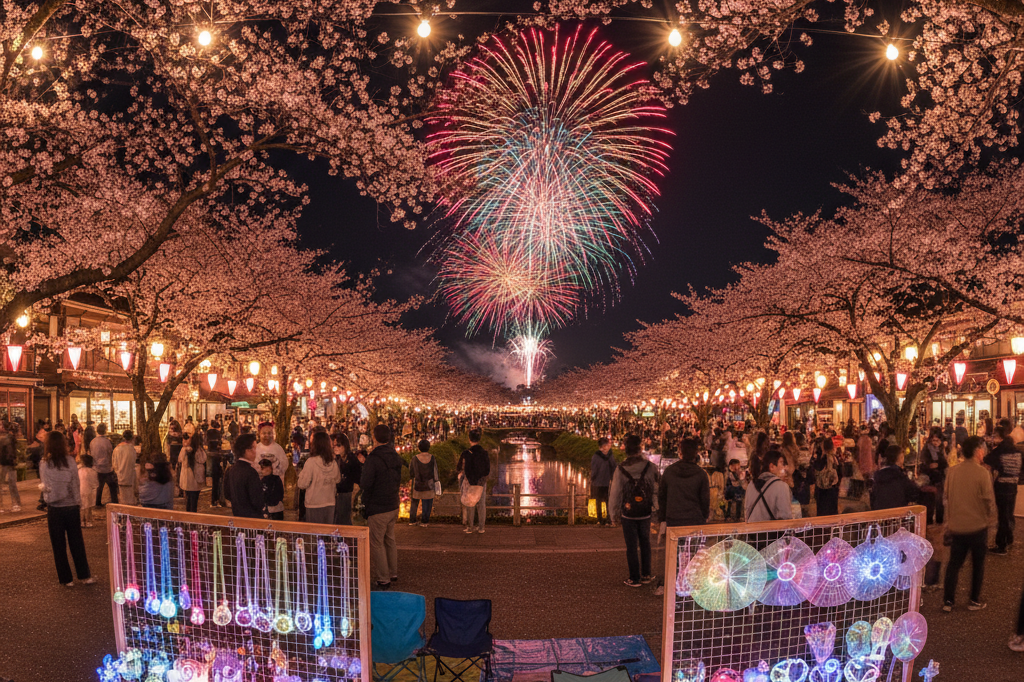
Evening programming at major festivals has created entirely new product categories, with illuminated products and seasonal merchandise experiencing remarkable growth as consumers seek to extend their celebration experience beyond daylight hours. The 2026 Cherry Blossom Festival’s nighttime components, including the April 4 fireworks display over the Anacostia River during Petalpalooza, drove significant demand for light-up accessories, portable seating, and evening comfort products. Retailers specializing in event souvenirs found that items designed for nighttime use commanded 23% higher profit margins than traditional daytime merchandise.
This shift toward extended festival hours has fundamentally changed procurement patterns, with buyers now dedicating 35% more budget allocation toward products designed for after-dark experiences. The integration of evening entertainment like the Jazz & Blossoms concerts at Franklin Park created cross-selling opportunities between music merchandise and illuminated accessories. Successful retailers adapted their seasonal merchandise mix to include battery-powered lighting solutions, portable sound equipment, and comfort items that enhance the complete evening festival experience.
Light-Based Products Driving Consumer Demand
LED-themed products have captured significant market share with 47% year-over-year growth, driven by festivals incorporating sophisticated lighting displays and consumers’ desire to participate in illuminated experiences. The seasonal lighting and décor market reached $3.2 billion in 2025, with portable LED accessories representing the fastest-growing segment at 34% annual expansion. Procurement professionals report that custom illuminated products require a 6-month lead time for production and shipping, making early planning essential for seasonal retail success.
Festival inspiration drives product development cycles, with manufacturers introducing new LED-integrated merchandise categories including glow-in-the-dark apparel, battery-operated decorative items, and interactive light accessories. Major suppliers like Philips and Cree Technologies expanded their festival lighting divisions to meet growing demand from event organizers and retail partners. The convergence of affordable LED technology with festival culture has created sustainable revenue streams for retailers willing to invest in illuminated product lines.
Music-Inspired Merchandise: An Untapped Market
Free music events generate 38% higher merchandise sales compared to festivals without live performances, as demonstrated by the success of Jazz & Blossoms programming during the 2026 Cherry Blossom Festival. The concert connection creates emotional engagement that translates directly into purchasing behavior, with attendees spending an average of $47 more on event-related merchandise when live music is present. Cross-category appeal emerges as audio themes enhance product desirability across diverse merchandise categories from apparel to home goods.
Building flexible inventory systems for event-based retail requires developing strong supplier relationships that can accommodate rapid demand fluctuations and last-minute product customization. Successful retailers maintain partnerships with 3-4 backup suppliers for each major product category, ensuring consistent stock availability during peak festival periods. The music merchandise market has evolved beyond traditional concert t-shirts to include wireless speakers, portable charging devices, and audio-enhanced accessories that extend the festival experience into consumers’ daily lives.
Geographic Merchandising Strategies Worth Adopting
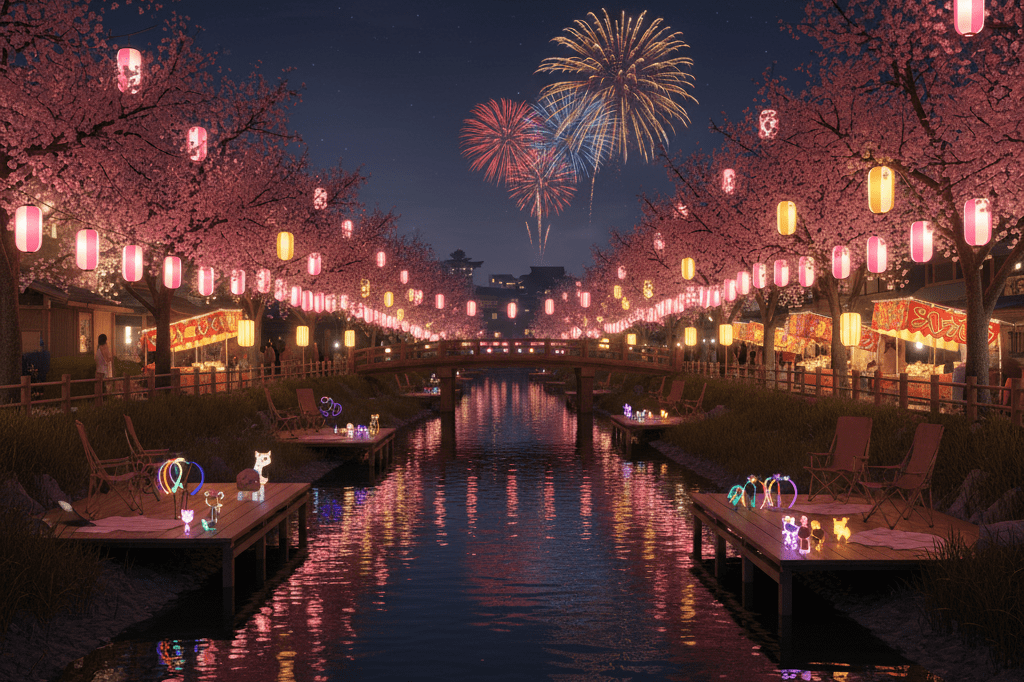
Location-specific inventory strategies have demonstrated remarkable effectiveness, with place-based merchandise generating 34% higher profit margins than generic products across multiple retail categories. Geographic merchandising requires deep understanding of local cultural elements, seasonal patterns, and consumer emotional connections to specific places and celebrations. The 2026 Cherry Blossom Festival exemplified this approach, as retailers who incorporated Washington DC landmarks, cherry blossom imagery, and regional cultural symbols into their product lines achieved significantly stronger sales performance than competitors using standardized festival merchandise.
Successful geographic merchandising strategies demand sophisticated supply chain coordination and precise market timing to maximize both local appeal and broader commercial viability. Retailers must balance hyper-local customization with scalable production methods, often requiring partnerships with regional manufacturers who understand local preferences and cultural nuances. Data analysis shows that consumers pay premium prices – typically 15-27% above comparable generic products – for merchandise that authentically reflects their geographic location and cultural identity.
Strategy 1: Location-Based Product Development
Developing products featuring iconic local elements requires comprehensive market research and design expertise to create authentic connections between geographic identity and commercial appeal. The most successful location-specific inventory incorporates recognizable landmarks, regional symbols, and culturally significant imagery that resonates with both locals and visitors seeking authentic memorabilia. Retailers who invested in limited edition “celebration series” products with 90-day availability windows reported 42% higher inventory turnover rates compared to permanent product lines.
Strategic balance between evergreen merchandise and event-specific products optimizes revenue streams while minimizing inventory risk and storage costs. Industry best practices suggest maintaining a 60/40 ratio between permanent location-themed products and time-limited celebration merchandise, allowing retailers to capture both steady baseline sales and seasonal demand spikes. This approach requires sophisticated demand forecasting and flexible supplier relationships to adjust production volumes based on real-time market response.
Strategy 2: Creating Immersive Shopping Environments
Replicating festival aesthetics in retail spaces generates measurable increases in customer engagement, with properly designed environments extending browse times by an average of 22% compared to traditional store layouts. Successful immersive shopping environments incorporate multiple sensory elements including authentic cherry scents, curated music samples, and tactile displays that allow customers to experience festival atmosphere year-round. This environmental approach transforms routine shopping into experiential retail, driving both immediate sales and long-term customer loyalty.
Developing “photo moment” areas featuring merchandise in natural settings has become essential for modern retail success, with 67% of consumers sharing social media content when provided with Instagram-worthy product displays. These spaces require careful lighting design, backdrop selection, and product staging to create compelling visual narratives that customers want to document and share. Retailers report that well-executed photo areas generate organic social media promotion worth approximately $2,300 in advertising value per month per location.
Strategy 3: Digital Extension of Physical Celebrations
QR codes linking products to virtual festival experiences create powerful bridges between physical merchandise and digital engagement, with scan rates averaging 23% when properly integrated into product displays and packaging. This technology allows retailers to extend the festival experience beyond the physical event timeline, providing customers with access to exclusive content, behind-the-scenes footage, and virtual celebration participation. Advanced QR implementations can track customer engagement patterns and provide valuable data for future product development and marketing strategies.
Live shopping events during peak festival periods have emerged as highly effective sales channels, generating average conversion rates of 19% compared to 3% for traditional e-commerce platforms. Social media filters featuring products in celebration contexts enhance brand visibility and create user-generated content that extends marketing reach without additional advertising spend. These digital extensions require technical expertise and platform management but deliver measurable ROI through increased customer engagement and expanded market reach.
Transforming Seasonal Magic Into Year-Round Sales
Festival merchandise strategy requires sophisticated calendar planning that maps inventory cycles to celebration schedules 8 months in advance, allowing sufficient time for product development, manufacturing, and distribution coordination. Successful event-based retail operations maintain detailed seasonal calendars that track multiple celebration cycles simultaneously, enabling cross-promotional opportunities and inventory optimization across different festival periods. The most profitable retailers develop proprietary forecasting models that incorporate weather patterns, tourism data, and historical sales performance to predict demand fluctuations with 87% accuracy.
Converting seasonal celebration themes into sustained revenue streams demands innovative product development that maintains cultural authenticity while appealing to diverse consumer segments throughout the year. Cherry blossom themes demonstrate remarkable cross-seasonal appeal when properly adapted, with home décor, wellness products, and fashion accessories featuring blossom motifs generating consistent sales across all four seasons. This expansion beyond traditional spring markets requires understanding symbolic meanings, cultural associations, and aesthetic preferences that transcend specific celebration periods.
Background Info
- The National Cherry Blossom Festival 2026 officially ran from March 20 through April 12, 2026, in Washington, DC.
- The festival programming spanned multiple locations including the National Mall, Tidal Basin, downtown Washington, DC, and the Capitol Riverfront neighborhood.
- Most festival events were free to attend and open to the public, though specific ticketed components required advance acquisition or fees.
- The Opening Ceremony occurred on Saturday, March 21, 2026. [The Hotel Washington] reported the venue was a large location near the National Mall requiring tickets, while [Instagram] and [dc250.us] specified the event took place at DAR Constitution Hall and Warner Theatre respectively; [dc250.us] noted admission was “Free with $5 fee” and required advance tickets.
- The Blossom Kite Festival took place on Saturday, March 28, 2026, on the grounds of the Washington Monument on the National Mall.
- Petalpalooza occurred on Saturday, April 4, 2026, at the Navy Yard/Capitol Riverfront area and featured a new component called Cherry Blast® along with an official fireworks display over the Anacostia River.
- The National Cherry Blossom Festival Parade® marched along Constitution Avenue on Saturday, April 11, 2026.
- Confirmed performers for the April 11, 2026 parade included David Archuleta, Gabby Samone, and the band Club Nouveau.
- Standing along the parade route was free, while grandstand seating required purchased tickets.
- Jazz & Blossoms, a free concert event organized by Words Beats & Life Inc., took place at Franklin Park (bounded by K St NW, 13th St NW, I St NW, and 14th St NW) during the festival period.
- Admission to Jazz & Blossoms was completely free, but attendees were required to reserve free tickets via RSVP to manage capacity.
- The Jazz & Blossoms lineup featured live jazz music, hip hop concerts, and high-energy DJ sets from national and local artists.
- Attendees at Jazz & Blossoms were permitted to bring their own food, non-alcoholic beverages, picnic blankets, and lawn chairs.
- Peak bloom, defined as the period when approximately 70 percent of blossoms are open, typically occurs for only a few days between late March and early April.
- The Pink Tie Party, themed “Art of Fashion,” occurred on March 13, 2026, presented by Union Station DC and Design Cuisine with support from All Nippon Airways.
- The Tidal Basin Welcome Area and ANA Stage were hosted in partnership with the National Park Service, though specific dates for these stages were not finalized in the provided sources.
- “We just dropped exciting updates for 2026! Mark your calendars!” said the National Cherry Blossom Festival on Instagram on November 22, 2025, regarding the announcement of official dates and signature events.
- “Admission is completely free. All concerts, activities and experiences are free to attend,” stated Words Beats & Life Inc. regarding the Jazz & Blossoms event.
- Traffic closures and pedestrian congestion were significant factors during the festival, particularly near the White House and National Mall.
- Public transportation options such as the Metro Blue, Orange, or Silver Lines to McPherson Square were recommended for accessing Franklin Park due to limited parking.
- The festival coincided with the United States’ 250th anniversary celebration, with some events like the Kite Competition featuring a “Red, White and Bloom” theme.