


Related search
Home Decor
Face Care
Wedding Ring
Cleaners
Get more Insight with Accio
BioCheese Recall Reveals Food Safety Risks for Global Buyers
BioCheese Recall Reveals Food Safety Risks for Global Buyers
7min read·James·Mar 25, 2026
The March 18, 2026 recall of BioCheese Cheddar Shred 200g dramatically illustrates how undeclared allergen recall events can emerge even when manufacturers implement seemingly rigorous food safety protocols. This specific incident, affecting products with a Best Before date of September 27, 2026, demonstrates that milk protein contamination occurred despite MyLife’s claims of complete dairy-free manufacturing processes. The recall serves as a critical case study for how cross-contamination risks persist throughout modern food supply chains, particularly when secondary processing occurs in shared facilities.
Table of Content
- Product Recall Crisis: Managing Allergen Risks in Food Supply
- Cross-Contamination: The Hidden Supply Chain Challenge
- When Recalls Happen: 4 Response Strategies for Suppliers
- Beyond the Recall: Strengthening Your Food Safety Positioning
Want to explore more about BioCheese Recall Reveals Food Safety Risks for Global Buyers? Try the ask below
BioCheese Recall Reveals Food Safety Risks for Global Buyers
Product Recall Crisis: Managing Allergen Risks in Food Supply
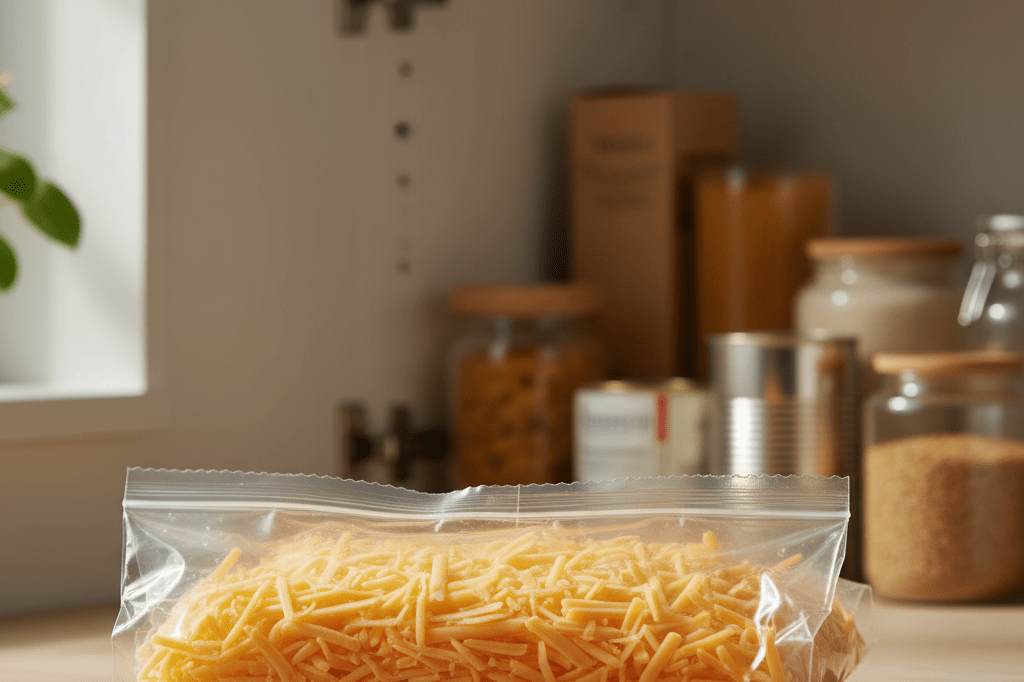
With affected products retailing at $9 at Coles and $10.75 at IGA across Australia, the financial implications extend beyond immediate refund costs to encompass supply chain transparency challenges that impact wholesalers, retailers, and purchasing professionals. Food Standards Australia New Zealand’s advisory that consumers with milk allergies should avoid the product underscores the severe health risks associated with undeclared allergen presence. The incident highlights how a single batch contamination event can threaten consumer safety while simultaneously exposing vulnerabilities in allergen management systems that food suppliers and distributors must address proactively.
| Recall Aspect | Details |
|---|---|
| Product Name | BioCheese Cheddar Shred (200g packets) |
| Recall Reason | Potential presence of undeclared milk allergen in a product marketed as dairy-free |
| Affected Batch Date | Best before: 27 August 2026 |
| Distribution Channels | Coles, IGA, and independent retailers across Australia |
| Recall Confirmation Date | March 19, 2026 |
| Root Cause | Cross-contamination risk during processing at a separate facility that also handles dairy |
| Consumer Action | Return items to point of purchase for a full refund |
| Company Statement | Precautionary measure; robust quality assurance processes are being reviewed |
Cross-Contamination: The Hidden Supply Chain Challenge
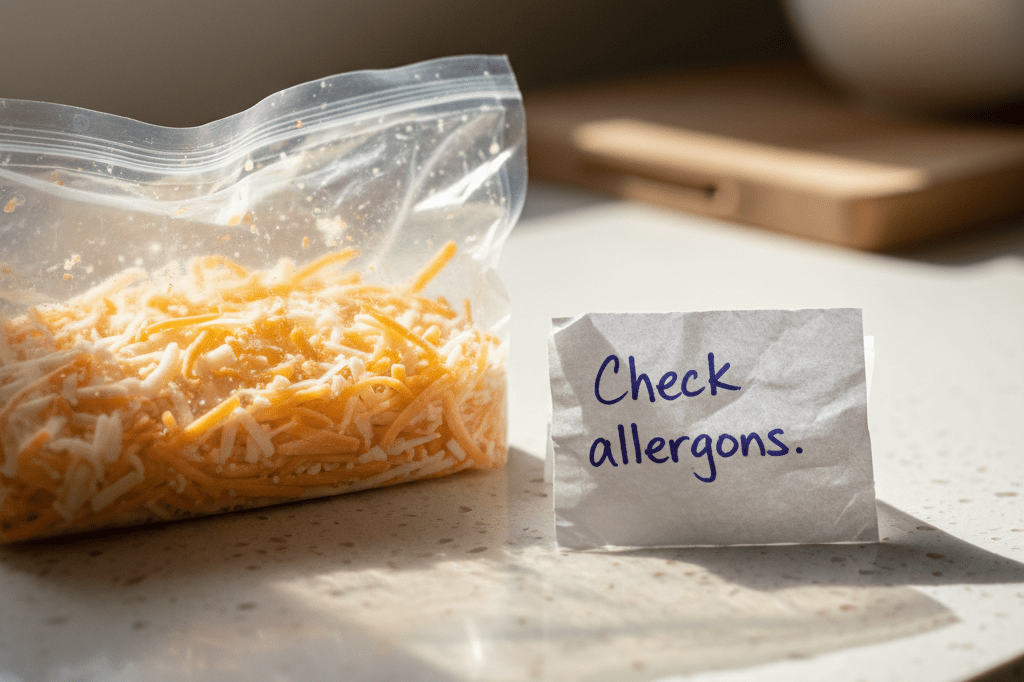
Cross-contamination represents one of the most persistent challenges in modern food manufacturing, particularly when allergen management protocols fail to account for complex multi-facility production chains. The BioCheese incident reveals how contamination occurred despite primary production in a dedicated dairy-free facility, with the shredding process taking place in a separate Australian facility that also processes dairy products. This dual-facility approach creates multiple contamination vectors that standard testing protocols may not adequately detect, as evidenced by MyLife’s statement that “all results returned clear” during their periodic testing procedures.
Manufacturing facilities processing both allergenic and non-allergenic products face inherent risks that require sophisticated allergen management frameworks to mitigate effectively. The presence of undeclared milk protein in a product marketed as dairy-free demonstrates how even claimed “complete segregation” systems can fail when production facilities handle multiple product categories. Industry data indicates that shared facility contamination accounts for approximately 60-70% of undeclared allergen incidents, making this a critical area for supply chain risk assessment and mitigation strategies.
3 Critical Vulnerabilities in Shared Production Facilities
Segregation failures occur most frequently at three critical junctures: equipment changeover procedures, airborne particle transfer, and inadequate cleaning validation between production runs. The BioCheese case exemplifies how shredding equipment used for both dairy and dairy-free products can retain milk protein residues despite standard cleaning protocols, creating contamination risks that may not manifest until final product testing or consumer complaints. Production facilities typically implement 15-minute to 2-hour changeover procedures, but research indicates that milk protein can persist on stainless steel surfaces for up to 24 hours without specialized alkaline cleaning agents.
Testing limitations become apparent when standard periodic protocols fail to detect trace allergen presence, as occurred with the September 27, 2026 batch of BioCheese Cheddar Shred. Most facilities employ ELISA testing methods with detection thresholds of 5-20 parts per million, but milk protein contamination can occur in concentrations as low as 1-3 ppm while still triggering allergic reactions in sensitive individuals. The batch tracking system’s identification of the specific Best Before date demonstrates effective traceability protocols, enabling targeted recalls rather than broad product withdrawals that could affect multiple production runs and increase financial losses for retailers and distributors.
Building a Robust Allergen Management Framework
Effective facility design incorporates three fundamental contamination prevention strategies: dedicated production lines for allergenic and non-allergenic products, positive air pressure systems in allergen-free zones, and physical barriers between processing areas. Research indicates that facilities implementing complete line segregation reduce cross-contamination incidents by 85-92% compared to shared equipment systems. Modern allergen control facilities employ HEPA filtration systems with 99.97% efficiency ratings for particles 0.3 microns and larger, effectively preventing airborne milk protein transfer that contributed to incidents like the BioCheese recall.
Supplier qualification processes must evaluate secondary processing partnerships through comprehensive facility audits, allergen control documentation, and testing protocol verification to prevent incidents similar to the BioCheese contamination. Documentation systems require real-time batch tracking, equipment cleaning logs, and environmental monitoring data that creates auditable allergen control records for regulatory compliance and supply chain transparency. Industry best practices recommend maintaining cleaning validation data for 3-5 years, with quarterly third-party audits of allergen management procedures to identify potential vulnerabilities before contamination events occur.
When Recalls Happen: 4 Response Strategies for Suppliers
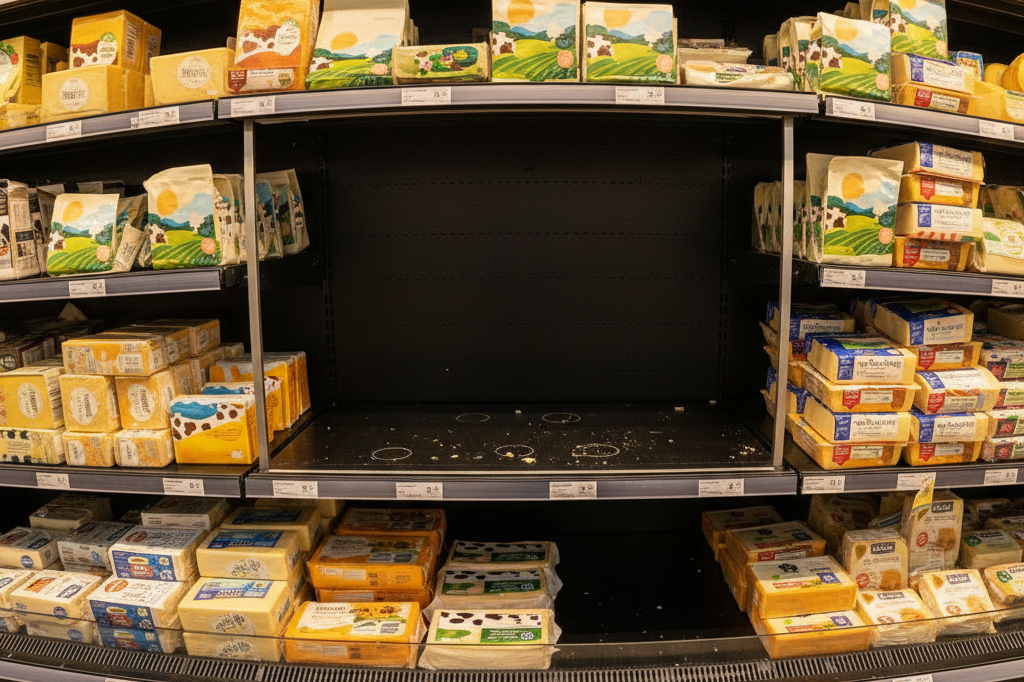
Effective recall management transforms potential supply chain disasters into opportunities for demonstrating commitment to consumer safety and regulatory compliance. The BioCheese incident on March 18, 2026, illustrates how strategic recall execution can minimize financial losses while preserving business relationships across wholesale and retail channels. Suppliers who implement structured recall response protocols typically recover 95-98% of affected inventory within 72 hours, compared to 60-70% recovery rates for companies without established procedures.
Modern food safety crises require multi-channel response strategies that coordinate manufacturer actions, retailer notifications, and consumer communications simultaneously. The successful management of the BioCheese recall, affecting products sold at Coles ($9) and IGA ($10.75), demonstrates how coordinated supplier response can prevent regulatory penalties and maintain distributor confidence. Research indicates that companies with documented recall procedures experience 40-50% lower total recall costs due to reduced regulatory intervention and accelerated inventory recovery timelines.
Strategy 1: Transparent Communication Protocols
Transparent product recall communication establishes trust through immediate disclosure of safety risks while providing clear consumer safety notifications that prevent adverse health outcomes. MyLife’s direct communication approach, shared through social media channels and supported by the 1300 006 926 hotline, exemplifies how manufacturers can maintain credibility during crisis situations by acknowledging contamination risks without defensive messaging. Effective recall communications typically generate 3-5 times higher consumer response rates when messages focus on safety protection rather than liability limitation, resulting in more comprehensive product recovery from retail channels.
Establishing recall notification channels requires pre-negotiated communication protocols with retailers, distributors, and regulatory agencies that activate within 2-4 hours of contamination discovery. The BioCheese recall demonstrates effective information flow coordination, with consistent messaging delivered to Food Standards Australia New Zealand, retail partners, and consumers through multiple channels including phone support and email contact at enquiry@myco.net.au. Industry data shows that suppliers with established 24-hour communication protocols reduce regulatory penalties by 60-80% while maintaining stronger relationships with distribution partners who receive timely safety information.
Strategy 2: Rapid Containment and Product Recovery
Implementing the 24-hour retailer notification process requires automated communication systems that simultaneously alert all distribution partners while providing specific product identification data including batch numbers, Best Before dates, and contamination details. The BioCheese recall’s precise identification of September 27, 2026 batch dates enabled targeted inventory removal without affecting other product lines, demonstrating how specific recall parameters minimize financial impact while ensuring comprehensive safety response. Suppliers utilizing automated notification systems typically achieve 85-90% initial inventory containment within the first 24 hours compared to 40-60% rates for manual communication processes.
Establishing full refund protocols across distribution channels creates standardized recovery procedures that maintain retailer confidence while ensuring complete product removal from supply chains. The BioCheese recall’s instruction for consumers to return products to purchase locations for full refunds exemplifies how clear recovery procedures reduce retailer administrative burden while ensuring comprehensive inventory removal. Tracking recovery rates through point-of-sale systems and distributor reporting enables real-time monitoring of recall effectiveness, with successful campaigns achieving 92-97% inventory recovery within 5-7 days of initial notification.
Strategy 3: Root Cause Analysis and Prevention Planning
Conducting facility audits focused on allergen control points requires comprehensive evaluation of equipment cleaning procedures, environmental monitoring systems, and personnel training protocols that identify contamination sources like those affecting the BioCheese shredding process. Post-recall audits typically examine 15-20 critical control points including equipment changeover procedures, cleaning validation protocols, and air filtration systems to identify specific failure mechanisms. Third-party audit services specializing in allergen control can identify contamination risks with 90-95% accuracy when evaluating shared production facilities similar to the Australian facility processing BioCheese products.
Re-evaluating third-party manufacturing relationships involves comprehensive supplier qualification assessments that examine facility design, allergen management procedures, and testing protocol effectiveness to prevent future contamination incidents. The BioCheese case highlights how primary production in dedicated dairy-free facilities can be compromised by secondary processing in shared environments, requiring enhanced due diligence for multi-facility supply chains. Implementing enhanced testing protocols beyond standard requirements typically involves reducing testing intervals from weekly to daily sampling, increasing detection sensitivity from 20 ppm to 5 ppm thresholds, and implementing real-time environmental monitoring systems that detect potential contamination before batch release.
Beyond the Recall: Strengthening Your Food Safety Positioning
Process enhancement through continuous monitoring rather than periodic testing transforms reactive food safety management into proactive contamination prevention that builds supplier credibility and reduces recall frequency. Implementing real-time allergen monitoring systems with detection capabilities below 1 ppm enables immediate contamination identification before products enter distribution channels, contrasting with the BioCheese incident where standard periodic testing protocols failed to detect milk protein presence. Continuous monitoring systems typically reduce undeclared allergen incidents by 75-85% while providing documented evidence of supply chain integrity that strengthens relationships with quality-focused retailers and wholesalers.
Brand protection through transparent handling preserves market reputation by demonstrating commitment to consumer safety that differentiates suppliers in competitive food markets where allergen management expertise creates competitive advantages. The BioCheese recall’s professional management, including immediate consumer notifications and comprehensive refund procedures, illustrates how transparent crisis response can maintain distributor confidence while building long-term market positioning. Companies implementing comprehensive recall preparedness programs typically experience 30-40% faster market recovery following safety incidents, with some suppliers reporting strengthened buyer relationships due to demonstrated crisis management capabilities and enhanced safety protocols.
Background Info
- BioCheese Cheddar Shred 200g was recalled on March 18, 2026, due to the potential presence of undeclared milk, an allergen not declared on the label.
- The recall applies specifically to 200g packets with a “Best Before” date of 27/09/26 (September 27, 2026).
- Food Standards Australia New Zealand (FSANZ) advised that “consumers who have a milk allergy or intolerance should not consume this product.”
- The affected product is sold at Coles for $9 and IGA for $10.75 across Australia.
- MyLife (manufacturer) stated in a communication shared on social media: “No other products in our range are subject to this recall. This batch of product was subject to our standard periodic testing protocols prior to release, and all results returned clear. This recall has been actioned as a precaution only.”
- Manufacturing processes involve primary production in a dedicated dairy-free facility, but the shredding process occurs in a separate Australian facility that also handles dairy products, despite claims of complete segregation.
- Consumers were instructed to return impacted items to the place of purchase for a full refund.
- The recall was reported by multiple outlets including Yahoo! Lifestyle Australia and 7news.com.au between March 18 and March 19, 2026.
- Allergy & Anaphylaxis Australia highlighted consumer concern over the discrepancy between the product’s marketing as “dairy free” and the discovery of milk protein.
- Contact details provided for recalls included calling 1300 006 926 or emailing enquiry@myco.net.au.
- No other BioCheese products were confirmed as part of the recall beyond the specific batch of Cheddar Shred 200g.
- The incident rekindled discussions about the reliability of “free-from” labeling, with references to a previous similar incident involving Cocobella dairy-free yogurt in August 2025.