


Related search
Motorcycle
Used Cars
Smart TVs
Toys
Get more Insight with Accio
Best Support Material for Printing Miniatures: FDM Guide
Best Support Material for Printing Miniatures: FDM Guide
5min read·Daniel Mutua·Mar 24, 2026
One of the biggest challenges in 3D printing is achieving clean, high-quality miniatures. This is a challenge, especially when working with intricate designs and delicate features. For businesses that are involved in tabletop gaming, prototyping, or selling custom models, the wrong support material can ruin an entire print, which can increase waste and post-processing time. Whether using an FDM (Fused Deposition Modeling) printer or a resin printer, it is important to choose the best support material because it plays a major role in the final outcome.
There are different materials available that range from PLA (polylactic acid) and ABS (Acrylonitrile Butadiene Styrene) to soluble support filament, and each offers unique benefits depending on the complexity of the models that are being produced. Although resin is praised because of its smooth surfaces and fine details, FDM printers are widely used because they are scalable and very easy to use. In this article, we are going to discuss the best material for printing miniatures so that sellers can make the right business decision. Let’s get started.
Table of Contents
- Best support materials for printing miniatures
- Soluble supports and their business value
- How to optimize slicer settings for better supports
- Conclusion
Want to explore more about Best Support Material for Printing Miniatures: FDM Guide? Try the ask below
Best Support Material for Printing Miniatures: FDM Guide
1. Best support materials for printing miniatures
1.1 PLA as a support material
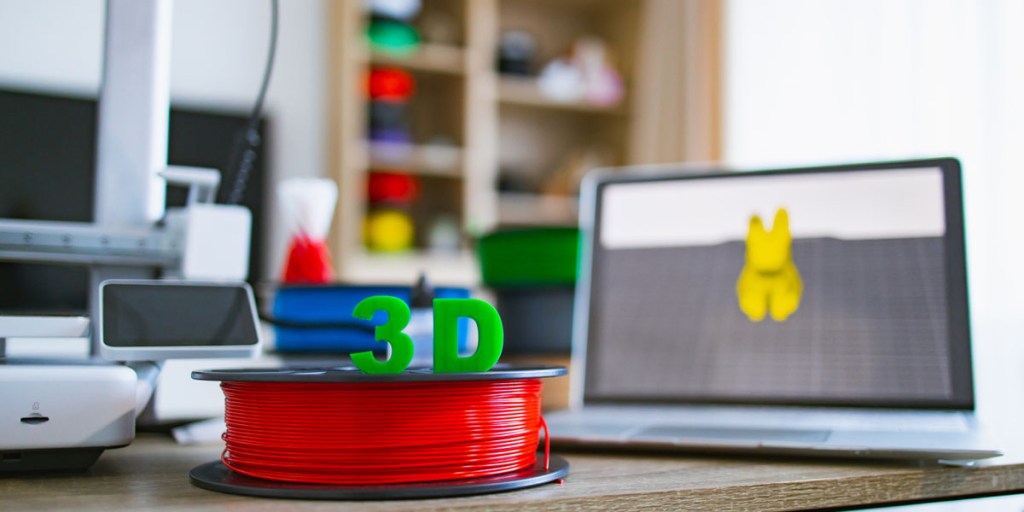
A popular support material for printing miniatures that is considered the best filament for beginners most of the time is PLA, the short form of polylactic acid. The material is easy to use, affordable, and also compatible with most FDM printers, hence making it a practical choice for businesses that handle high-volume production.
However, it is important to note that PLA material tends to bond strongly to the model, and this can make it difficult to remove. This often leaves visible layer lines and surfaces that are imperfect, especially when one is working with fine details. Despite this flaw, it can be used for printing simpler models or larger models that have fewer intricate areas.
1.2 PETG as a support material
Another material that offers a more flexible alternative when paired with PLA models is PETG. In full, it stands for Polyethylene Terephthalate Glycol-modified, and the material, unlike PLA, does not bond tightly. This allows the material to be removed cleanly as well as preserve smoother surfaces. It is, therefore, an ideal material for printing detailed miniatures where the quality of the print is a priority.
A disadvantage that PETG has is that it may require more precise temperature control and, in most cases, a dual-extrusion setup. If the business is using advanced 3D printer systems with the latest features, this can be a worthwhile tradeoff. PETG can be useful, especially when aiming for the best results on complex geometries. But remember it also requires careful cooling to avoid stringing, which is key for maintaining clean details on miniatures.
1.3 PLA vs PETG: cost vs performance
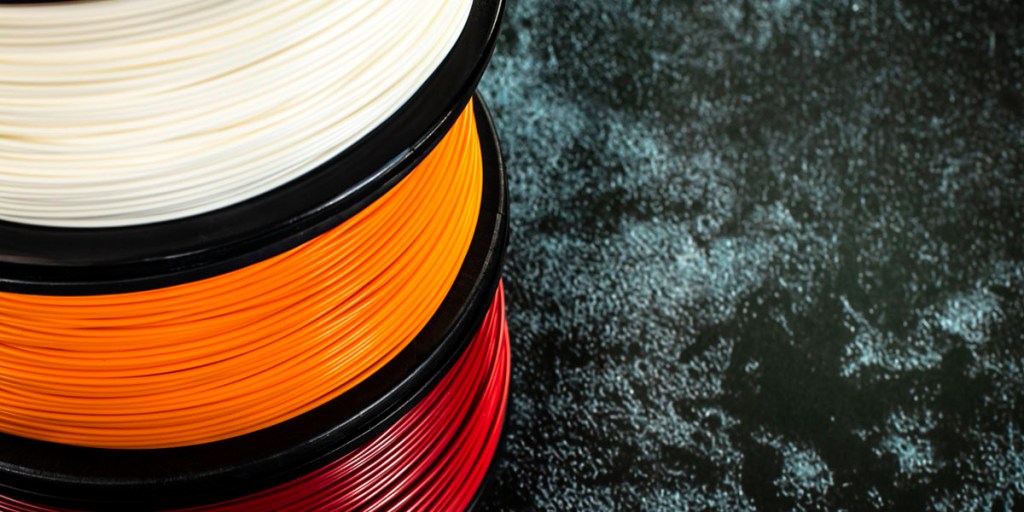
When comparing PLA and PETG, the top considerations to keep in mind are the cost and performance. For instance, PLA is cheaper to use, while PETG provides better surface quality and easier removal.
Therefore, businesses that are focused on cost-efficiency can go for PLA, which may be the best choice for standard production runs. However, if they are producing premium models or client-facing products, sellers should recommend PETG because the material is able to deliver higher-quality finishes. When these factors are balanced, it ensures that material selection for different production needs is optimized.
2. Soluble supports and their business value
2.1 Understanding soluble support materials
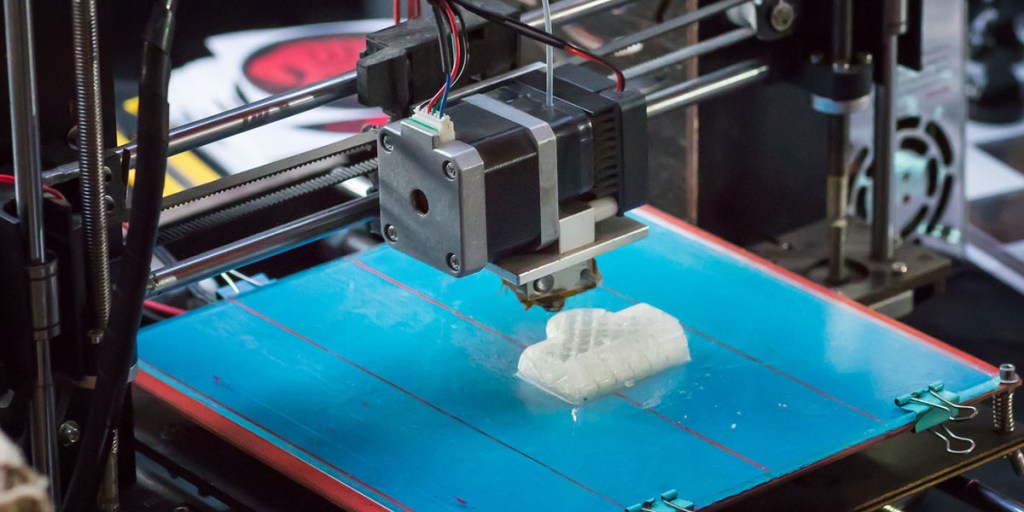
There are soluble materials, such as PVA (Polyvinyl Alcohol) or HIPS (High Impact Polystyrene), which offer a completely different approach. Since these materials are soluble — PVA dissolves in water, while HIPS dissolves in limonene (a specific chemical) — they leave behind clean surfaces with minimal removal.
These materials are therefore useful for printing miniatures that have complex overhangs or internal structures. In such cases, traditional supports can damage the entire print, which makes soluble options the best material for preserving intricate designs.
2.2 Advantages and limitations in production
The main advantage of soluble supports is that they have the ability to achieve smoother surfaces without risking damage during removal. Businesses that produce high-end models or work with detailed tabletop gaming figures will find this advantageous to them.
Despite having these benefits, they come at a higher cost. Soluble materials are more expensive and sensitive to moisture. In addition, they require slow print speeds. Another shortcoming is that not all FDM printers are equipped to handle support filament effectively, and this can limit accessibility.
2.3 Cost-benefit analysis for businesses
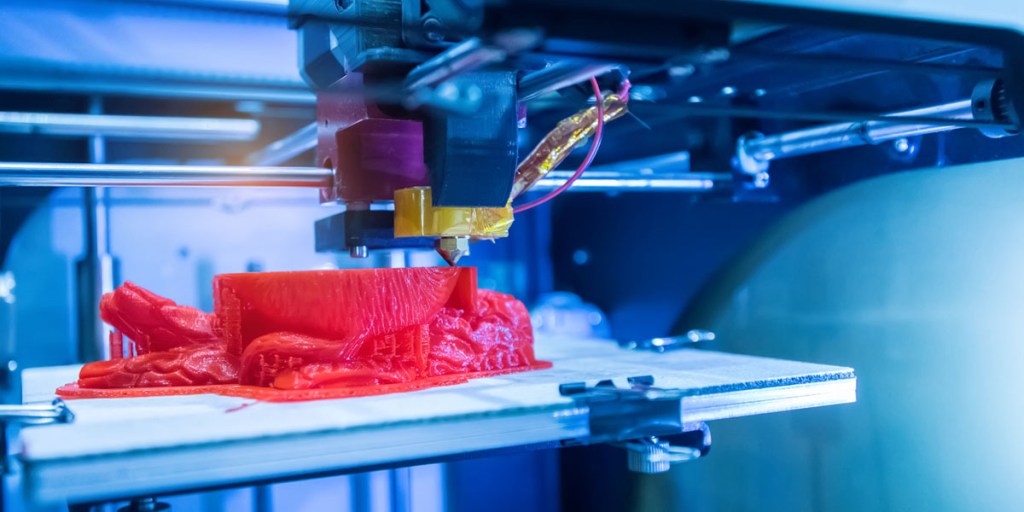
The decision to use soluble support depends on the project for most businesses. If it is a high-value miniature or prototype, the improved finish justifies the higher cost. On the other hand, for bulk production, the expense may outweigh the benefits.
In these cases, it would be a good idea to combine traditional materials with optimized settings so that comparable results at a lower cost can be delivered. Therefore, sellers can stock soluble supports so that businesses that want to invest at the right time can maintain their profitability while ensuring quality.
3. How to optimize slicer settings for better supports
3.1 Choosing the best support type
It is also important to pick the right support structure, just as it is vital to pick the material. For example, sellers can include tree supports, which are highly effective options for businesses that print miniatures. This is because they are able to minimize contact points and reduce the usage of materials.
When compared to standard supports, tree structures are easier to remove and are less likely to damage fine details, hence making them a preferred option for organic shapes and complex models.
3.2 Fine-tuning key support settings

Slicer settings can directly affect the quality of a print. Therefore, when printing, it is important to ensure that parameters such as support density, pattern, and Z-distance are adjusted, which can improve results by a significant margin.
Using a smaller layer height will enhance the detail, but increase the print time. Reducing support density also helps in minimizing material usage while maintaining the structural integrity of the miniature being printed. Therefore, finding the right balance ensures the best results without unnecessary waste.
3.3 Advanced slicer optimization for production
Consistency is crucial for businesses. There is a need to standardize slicer profiles across multiple machines, which ensures uniform output and reduces errors.
They can also make advanced adjustments like interface layers and retraction settings to further refine their printing processes. These optimizations are especially important when businesses are working with new materials or scaling their production across multiple printers.
Conclusion
Winding up, choosing the best support material for printing miniatures is crucial. It involves a combination of meticulously selecting the right material, optimizing slicer settings, and employing efficient post-processing techniques. The most reliable and cost-effective option is PLA, while PETG and soluble supports provide enhanced quality for more demanding projects. For businesses that are working with FDM printers or even exploring resin printer solutions with standard resin or the best resin options, they should understand these trade-offs.
As the industry continues to evolve with the latest features and new material innovations, staying competitive means making informed sourcing decisions. Platforms like Accio can help streamline the process by connecting businesses with reliable suppliers for printing materials, support filament, and advanced equipment. By optimizing both procurement and production, companies can consistently deliver high-quality miniatures while maintaining cost efficiency in an increasingly competitive market.