


Related search
Wine Accessories
Car Accessories
Men's Coats
Pendant
Get more Insight with Accio
Best Material for Outdoor Dog Potty Area: A B2B Guide
Best Material for Outdoor Dog Potty Area: A B2B Guide
5min read·Daniel Mutua·Mar 24, 2026
One of the most common challenges for businesses and property owners catering to dogs is managing a clean, functional outdoor dog potty area. Whether it is a kennel, pet daycare, apartment complex, or residential backyard, issues like lawn damage, lingering odor, and daily maintenance can become costly. The problem for most people is that they struggle to find a solution that balances durability, hygiene, and comfort for every pup using the space.
The good thing is that there are various materials ranging from artificial turf to pea gravel and natural grass, with each of them offering unique advantages. This guide will therefore explore the best materials for building an efficient outdoor dog potty area so that businesses can make an informed decision. Let’s get started.
Table of Contents
- Best material for outdoor dog potty area: artificial turf systems
- Gravel and rock-based dog potty solutions
- Natural groundcovers: Grass and mulch options
- Conclusion
Want to explore more about Best Material for Outdoor Dog Potty Area: A B2B Guide? Try the ask below
Best Material for Outdoor Dog Potty Area: A B2B Guide
1. Best material for outdoor dog potty area: artificial turf systems
1.1 Benefits of artificial grass
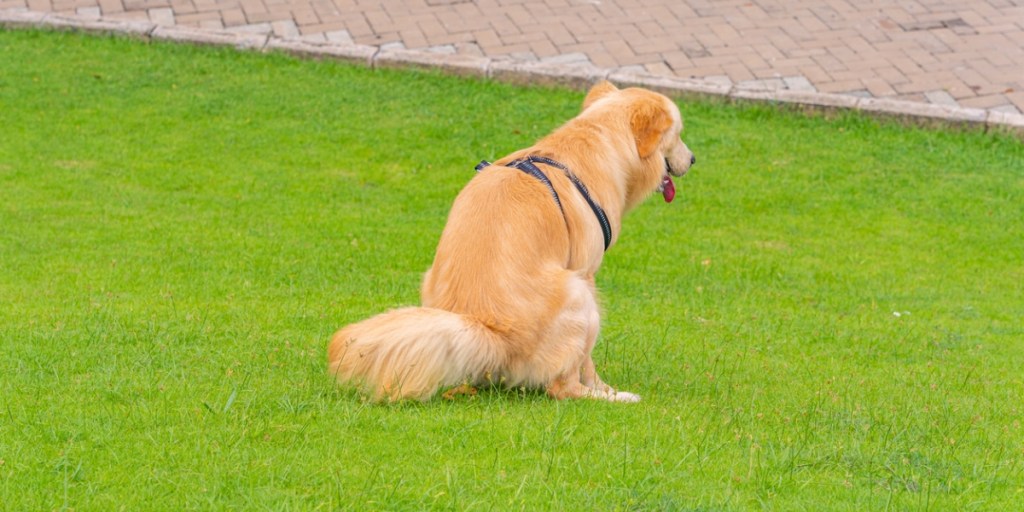
Artificial grass has become one of the most popular materials of choice for a modern outdoor dog potty area. It offers a clean and visually appealing surface that works well in high-traffic environments like dog day care centers and apartment complexes. It also works well in a patio or a porch potty setup. Unlike natural grass, synthetic turf does not develop muddy patches, which makes it ideal for owners to maintain the tidiness of a yard or outdoor potty area.
Sellers targeting consumers who handle a lot of dogs every day can suggest artificial turf to simplify setup. This enables them to quickly remove solid poop and make the surface remain consistent regardless of the weather conditions.
1.2 Key considerations: Drainage, odor, and heat retention
Despite artificial turf having its benefits, it requires proper planning. Proper drainage is critical, especially when dogs pee frequently in a specific area. Therefore, businesses should consider stocking high-quality artificial turf that allows liquids to pass through easily. This prevents pooling and reduces odor from building up.
Odor resistance is also a top concern for buyers. If it is not cleaned regularly, artificial grass can retain smells over time. Retailers can bundle enzyme cleaners and odor-controlling infills with turf sales to help customers keep areas fresh long-term. Another factor to consider is heat retention. This is especially true in warm climates, where synthetic grass can become hot during the day.
1.3 Product quality and ROI for B2B buyers
Businesses should note that not all artificial turf products are equal. They should stock premium artificial grass options that have been specifically designed for dogs, which offer better durability and improved drainage systems. Although they may have a higher upfront cost, premium options last longer and require less maintenance most of the time. Therefore, they can be a cost-effective investment for customers in the long run.
Choosing the right artificial turf improves operational efficiency for businesses or property managers by a significant margin. It also provides every puppy and adult dog using the space a clean and controlled environment.
2. Gravel and rock-based dog potty solutions
2.1 Comparing pea gravel vs. crushed rock
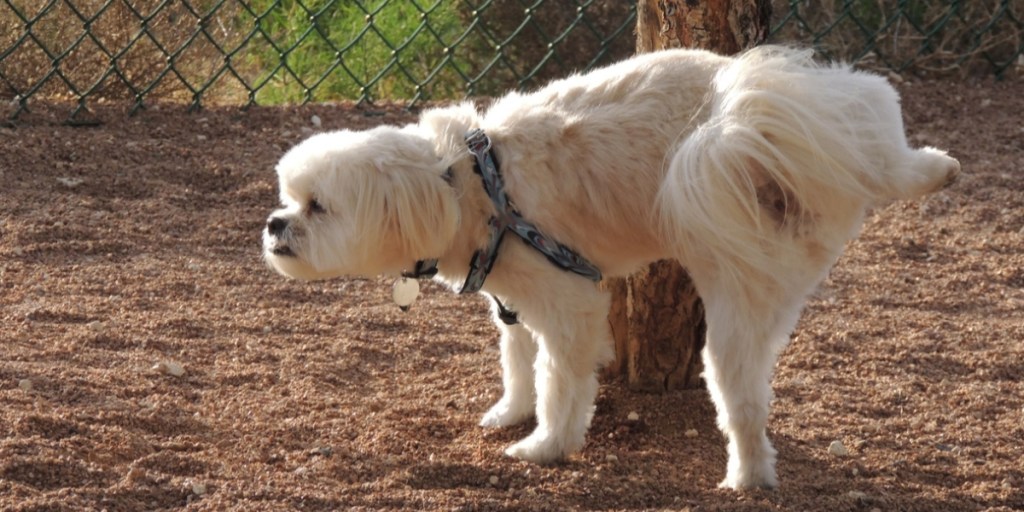
Another material option that is widely considered as the best option is gravel. This is because it is affordable and durable. There are different types of gravel, and among them is pea gravel. It is especially popular because of its smooth texture, which is gentle on paws. Often, it is used in backyard installations or outdoor dog runs.
Crushed rock, on the other hand, offers better stability as well as drainage. It can stay in one place more effectively, thus making it more suitable for areas with heavy use or a lot of dogs. Businesses can also provide other options like river rock or sand. However, they should be carefully considered depending on the dog’s behavior and comfort.
2.2 Installation best practices for long-term performance
For an outdoor dog potty area to be successful, it depends on how it has been installed. A layered system will be essential.
It can start with a solid base, followed by a geotextile fabric layer to prevent weeds and keep materials in place. The top layer of gravel or pea gravel then completes the structure. This will create a surface that is durable and requires low maintenance. The approach ensures that the area will drain efficiently and remain stable as time goes by.
Tip for sellers: Stock prepackaged kits that include the base layer, geotextile fabric, and gravel to increase average order value.
2.3 Pros, cons, and maintenance requirements
The advantages of gravel systems are that they are known for their low maintenance and excellent drainage. Another benefit is that they are more budget-friendly when compared to artificial turf, which is ideal for large-scale installation. However, they can become hot under direct sunlight and can be uncomfortable for dogs to rest on.
In addition, some dogs may try to ingest smaller stones; therefore, it’s important to select the right size and type of gravel. For this reason, sellers should prioritize stocking large, rounded gravel to reduce return rates.
Despite having these limitations, gravel is still among the most practical and scalable solutions for many dog-friendly spaces.
3. Natural groundcovers: Grass and mulch options
3.1 Urine-resistant grass types for dog areas
People who are designing a dog potty area for the first time often go for natural grass. There are options like zoysia grass, tall fescue, and perennial ryegrass that are more resistant to urine damage.
An advantage of grass is that it provides a natural feel that dogs instinctively prefer. It also blends seamlessly into a yard or backyard setting. Its downside is that even if the grass is durable, it can struggle under heavy use.
3.2 Pet-safe mulch options and their applications
Mulch is another alternative for creating an outdoor dog potty area. The commonly used mulches are cedar mulch and wood chips. These materials are great for low-traffic areas or decorative spaces.
Rubber mulch is another option. However, it requires careful evaluation to ensure that it is safe for pets. To avoid potential health risks, buyers should always choose pet-friendly materials.
3.3 Performance and maintenance challenges
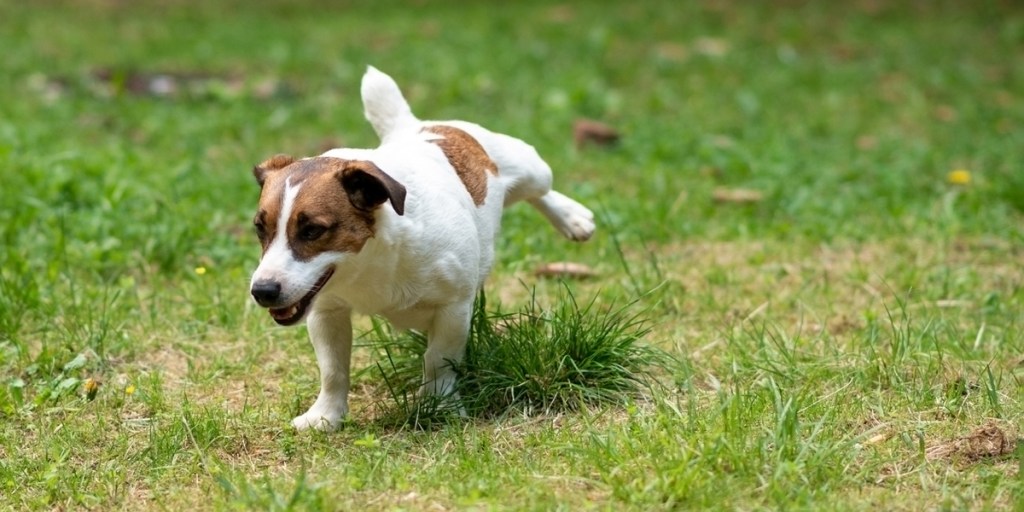
Ongoing maintenance is required for natural materials. For instance, grass needs to be watered and seeded occasionally, while mulch may need to be replaced over time. These are factors that can increase long-term costs, especially in long-term environments.
In scenarios where the material will be installed in a small space or an area with limited use, businesses could prioritize promoting natural options. They should, however, advice their buyers that it might not deliver the same durability as an artificial turf or gravel system.
Conclusion
Choosing the right material for an outdoor dog potty area ultimately depends on usage, budget, and maintenance capacity. While artificial turf offers cleanliness and consistency, gravel provides durability and cost efficiency, and natural options deliver a more traditional look and feel. Each solution has its place, and the best results often come from aligning the material choice with the specific needs of the space and the number of dogs using it.
For businesses and property managers looking to streamline sourcing and compare a wide range of materials, from synthetic grass to gravel systems and pet-safe mulch, platforms like Accio can simplify the process. By leveraging AI-powered insights to evaluate suppliers and product options, it becomes easier to find reliable, cost-effective solutions tailored to any dog potty area project without unnecessary guesswork.