


Related search
Shirt
Trucker Hats
Art Supplies
Tv Card
Get more Insight with Accio
Best Material for Men’s Wedding Bands: A Guide for Jewelry Brands
Best Material for Men’s Wedding Bands: A Guide for Jewelry Brands
5min read·Stephanie Mee·Mar 25, 2026
When it comes to men’s fashion trends, clothing styles and accessories may change from season to season, but wedding bands are meant to last a lifetime. In addition, a wedding band is meant for daily wear, so the design often takes a back seat to the choice of material. For jewelry brands, that means there’s a bigger emphasis on choosing the right materials that will suit men’s personal styles and take into account considerations like comfort, durability, and budget.
This guide will cover how to choose the best material for men’s wedding bands, with a focus on both classic and alternative metals and the unique qualities of each metal, as well as advice on matching rings to customer needs. We’ll also go over some sourcing tips for jewelry businesses.
Table of contents
- The best material for men’s wedding bands
- Matching wedding band materials to different lifestyles
- Comfort and wearability factors customers care about
- Pricing tiers and how customers evaluate value
- Sourcing men’s wedding band materials for quality and consistency
- Final thoughts
Want to explore more about Best Material for Men’s Wedding Bands: A Guide for Jewelry Brands? Try the ask below
Best Material for Men’s Wedding Bands: A Guide for Jewelry Brands
The best material for men’s wedding bands
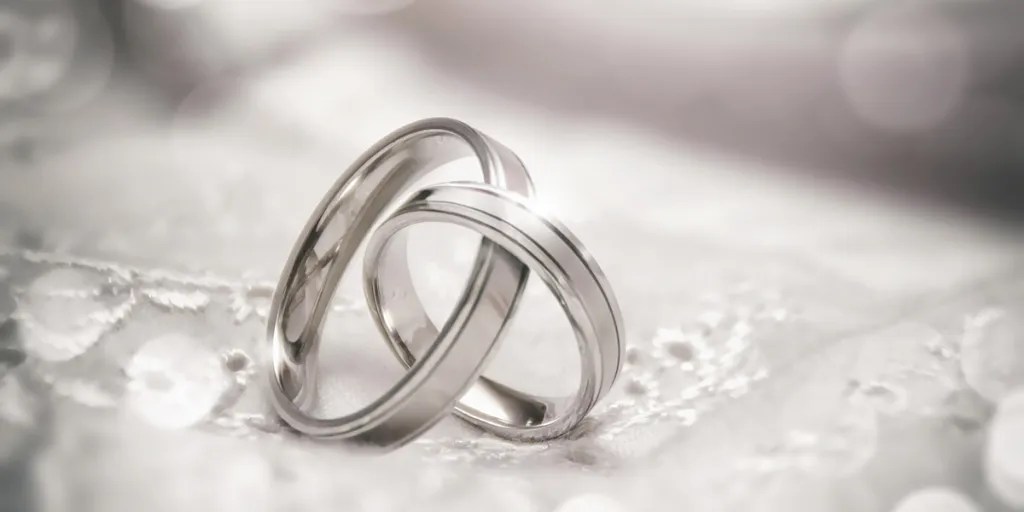
There are countless materials that can be used to create men’s wedding rings, but people typically turn to these types of metals because they provide the perfect balance of aesthetic appeal and functionality:
Gold
Gold is one of the most traditional precious metals for wedding rings because it has a beautiful luster and is easy to resize and polish. Plus, it comes in various tones, including white gold, yellow gold, and rose gold. The only downside of gold wedding bands is that the metal is softer than other materials, so it can show wear over time.
Platinum
Platinum is another popular choice for wedding ban material because it also has a nice sheen, as well as a silver-white finish. It’s actually rarer than gold, so the price point is higher, making this a good option for premium collections. In addition, it’s heavier and more durable than gold, and it develops a patina instead of wearing down.
Silver
Silver tends to be more affordable than traditional choices like gold or platinum, so it’s a good option for customers with budget concerns. Both pure silver and sterling silver (a mix of 97.5% silver with the remainder made up of other metals) have an attractive silver-white color. The only problem is they’re a tad on the soft side, so they can be prone to scratches and tarnishing.
Titanium
For customers going for a contemporary look, titanium is an excellent choice. This silver-gray metal is lightweight but actually very strong, and it has hypoallergenic properties, which is ideal for people with skin sensitivities. It can handle impact well but isn’t easy to resize, so it’s important to know the exact sizing right from the start.
Tungsten
Tungsten is another popular alternative to traditional types of metals. With its sleek steel-gray color, it offers a modern look for an elegant wedding band. It’s also highly scratch-resistant and tends to be affordable. However, while it does hold its finish well, it’s also slightly brittle, which means it can crack under pressure instead of bending.
Matching wedding band materials to different lifestyles
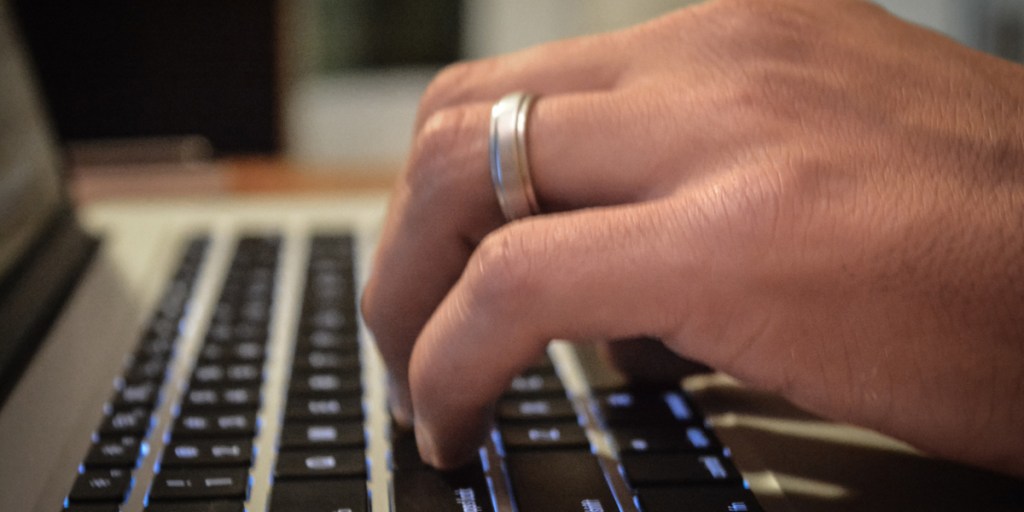
Once customers understand the materials, the next question is how those options fit into their day-to-day life. For example, someone who spends most of their time at a desk won’t have the same needs as someone working with tools or spending hours outdoors.
For men who work traditional office-based jobs, gold and platinum can be the best choices because they look polished and pair easily with other accessories. Plus, they’re easy to maintain and can be resized if need be. On the other hand, men who have hands-on jobs or active lifestyles may find that titanium is a better choice because it’s stronger.
In recent years, many men have also been opting for second rings made with different metals for increased flexibility. In these cases, they might choose a pure gold band for everyday use or special occasions, then another band made with tungsten or titanium for the gym, travel, or work environments where safety is a concern.
Comfort and wearability factors customers care about

Comfort can also shape how a customer feels about their ring over time. Because wedding bands are worn every day, weight and fit can make a difference. Heavier materials like tungsten and platinum tend to feel more substantial on the hand, which some customers prefer, while lighter options like titanium are easier to wear for long periods without thinking about it.
Fit and skin sensitivity also come into play. Comfort-fit bands are typically easier to slide on and feel better throughout the day, especially when finger sizes shift slightly with different temperatures. And for customers with sensitive skin, materials like platinum and titanium are usually safer choices than lower-quality alloys that can cause irritation.
Pricing tiers and how customers evaluate value
It’s nice to imagine that money is no object when it comes to the important decision of choosing a wedding ring, but that’s just not the reality for many people. With this in mind, many jewelry brands stock a variety of choices at different price points.
At the lower end, titanium and tungsten are the most common options because they’re affordable, durable, and widely available. They’re often positioned as smart, practical choices. Silver is in the mid-range, and often marketed as a quality white metal that will hold up over time. Then, you have gold and platinum at the top end. These are often seen as long-term investments, both for their traditional value and their ability to be maintained, resized, and worn for decades.
Sourcing men’s wedding band materials for quality and consistency
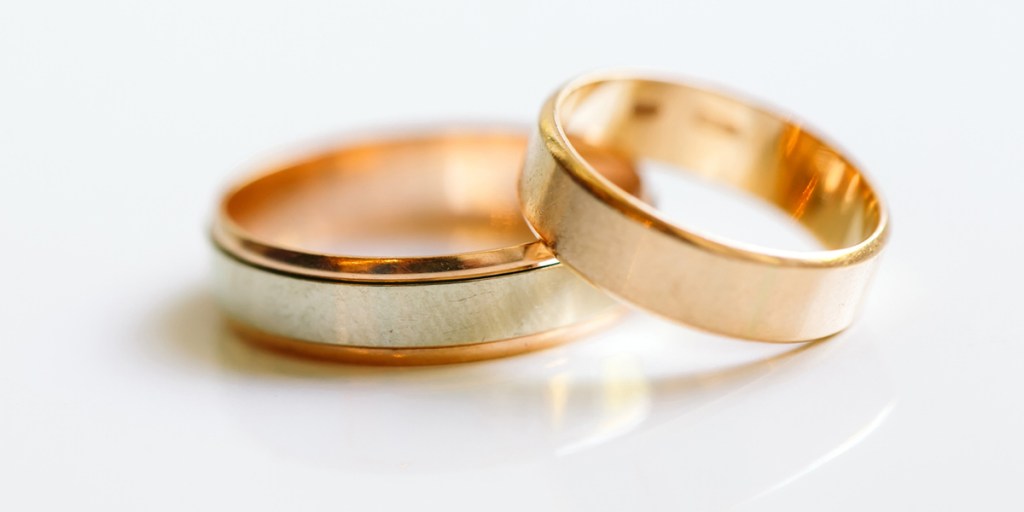
When sourcing the best materials for men’s wedding bands, it’s important to pay attention to details like the metal purity, finishing, and construction, as those things can affect everything from durability to how the ring feels. It helps to work with suppliers who are consistent in both quality and specifications. That includes clear details on metal composition, reliable sizing standards, and finishing that holds up over time. When you know your materials well, you can provide better product descriptions, accurate sizing, and dependable quality for your client base.
Final thoughts
There’s no single best metal for men’s wedding bands. Instead, it comes down to a number of factors, including the look a customer is going for, lifestyle considerations, and cost. As a business owner in the jewelry space, it’s important to be aware of the qualities of different materials so that you can provide your customers with the information they need to make an informed choice. When you present those options clearly, it becomes much easier to guide customers toward a ring they’ll be happy with long after the purchase.
Now that you have a clearer sense of how different materials fit into durability, comfort, and pricing, the next step is finding the right suppliers to bring those options into your lineup. This is where Accio can help. As an AI-powered sourcing platform, Accio simplifies the process of discovering and comparing wedding band materials across a wide network of suppliers. With access to real-time product data and insights, it becomes easier to evaluate quality, explore new styles, and build a well-rounded collection that meets your customers’ needs.