


Related search
Couple Bracelet
Light
Smart Home Products
Office Stationery
Get more Insight with Accio
Best Material for a Mortar and Pestle: The Ultimate Guide
Best Material for a Mortar and Pestle: The Ultimate Guide
6min read·Emory Oakley·Mar 31, 2026
Some kitchen tools have survived centuries of culinary evolution—and the mortar and pestle is one of them. Long before the electric spice grinder and food processor, cooks around the world relied on mortar and pestle sets to crush spices, grind herbs, and create pastes for sauces, marinades, and other preparations in many traditional recipes.
The effectiveness of a mortar and pestle depends on the material it’s made from, as different materials affect grinding performance. Understanding the best material for mortar and pestle is essential for selecting products that meet consumer expectations and fit different cooking styles.
In this guide, we’ll explore the most popular mortar and pestle materials, explain how they compare, and help businesses determine which options are best suited for their kitchenware catalog.
Table of Contents
- Why people use a mortar and pestle
- What consumers look for when choosing a mortar and pestle
- Best materials for mortar and pestle at a glance
- The most popular mortar and pestle materials explained
- Mortar and pestle size guide: Choosing the right size
- Final thoughts: Choosing the best material for the mortar and pestle
Want to explore more about Best Material for a Mortar and Pestle: The Ultimate Guide? Try the ask below
Best Material for a Mortar and Pestle: The Ultimate Guide
Why people use a mortar and pestle
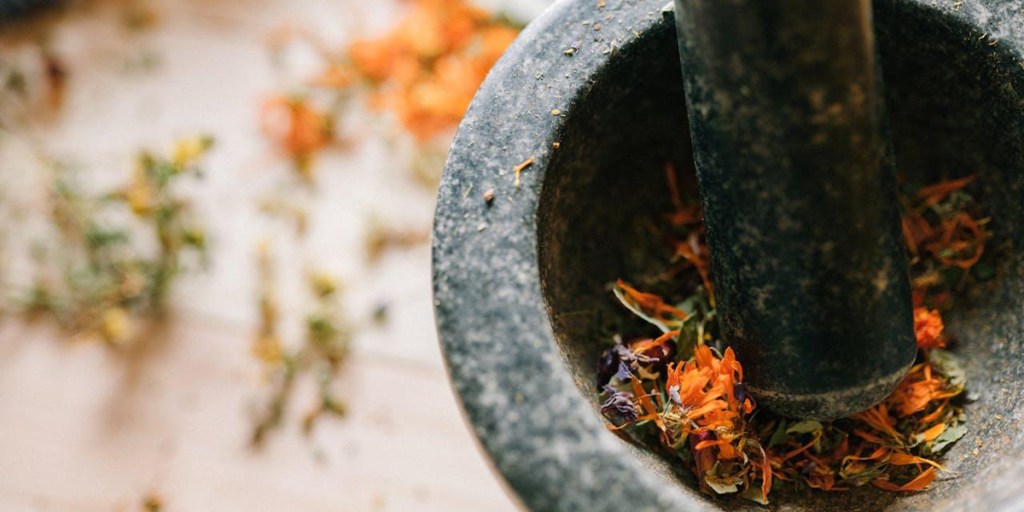
Since we have advanced technology like a food processor, why would people still use a mortar and pestle? Today, more people are choosing whole spices to grind themselves as they retain flavor when compared with pre-ground spices. And a mortar and pestle does a better job grinding them. Here’s why.
A mortar and pestle work by crushing ingredients by hand. This mechanical process breaks down cell walls in herbs and spices, which releases essential oils and aromas that play a role in creating flavorful dishes. The same result is not achieved when the spices are finely chopped with a food processor.
Using a mortar and pestle also allows for more control. Instead of turning everything into a consistent fine powder, you can create different textures easily by adjusting the grinding pressure. This is helpful for:
- More coarse spice blends for rubs
- Smooth pastes for sauces and marinades
- Lightly crushed herbs to use for garnishes
- Chunky mixtures for pesto
What consumers look for when choosing a mortar and pestle
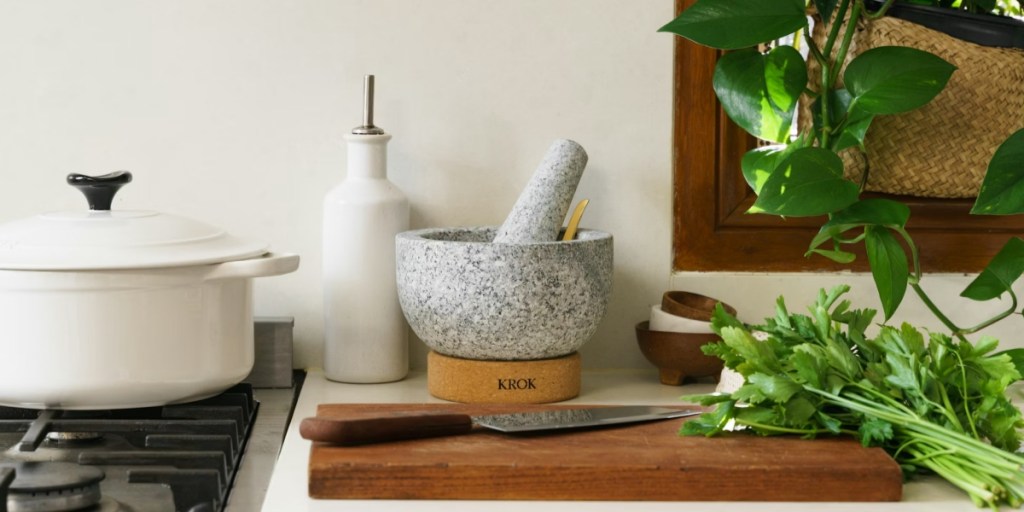
The main focus when choosing a mortar and pestle is how well the tool performs in real cooking situations. However, a few other factors, like durability and ease of cleaning, are often also considered. So, before we look at the best material for a mortar and pestle, let’s quickly look at what shoppers are looking for.
Grinding performance and surface texture
Because the primary purpose of a mortar and pestle is to crush, grind, and blend ingredients, the grinding surface is critical to its effectiveness.
Hard materials with a slightly rough interior help break down ingredients efficiently. While smooth materials may look pretty, they can make grinding more difficult because spices or herbs may slide instead of being crushed.
When evaluating grinding performance, shoppers consider whether the mortar and pestle can:
- Grind dry spices into fine powders
- Crush herbs and garlic into pastes
- Handle tougher ingredients like seeds or peppercorns
- Provide enough friction to prevent slipping
Durability and long-term use
Because mortar and pestle sets are designed for repeated pounding and grinding, durability is an important factor for consumers. Shoppers want a tool that can withstand frequent use without cracking, chipping, or wearing down.
Ease of cleaning and maintenance
Some mortar and pestles are made from porous materials that may absorb oils and aromas from spices or may stain from the pigment of the spices, requiring special care.
Some prefer kitchen tools that are easier to clean and maintain. Non-porous materials, such as ceramic or stainless steel, tend to be easier to clean, while porous materials like wood require more maintenance.
Retailers should clearly communicate cleaning instructions so customers understand how to properly care for their kitchen tools.
Size, weight, and kitchen usability
Weight and size are also important considerations when consumers choose a mortar and pestle.
Heavier mortars often provide better stability during grinding, which makes them easier to use for crushing spices or making pastes. However, some shoppers prefer lighter tools that are easier to handle or store in smaller kitchens.
Style and kitchen aesthetics
Although performance is the primary factor, many shoppers also care about how their kitchen tools look. Mortar and pestle sets are often displayed on countertops, making them part of a kitchen’s overall aesthetic.
- Stone mortar and pestle sets provide a rustic, professional kitchen look.
- Marble offers a clean and elegant appearance.
- Ceramic mortars and pestles can feature colorful or decorative designs.
- Wooden options provide a natural, traditional feel.
Retailers can position these products not only as functional cookware tools but also as stylish kitchen accessories.
Best materials for mortar and pestle at a glance
| Material | Grinding performance | Durability | Maintenance | Aesthetic | Best use |
| Granite | Excellent | Very high | Low | Rustic | Spice grinding, pastes |
| Marble | Good | High | Medium | Elegant | Herbs, spices |
| Ceramic | Good | Medium | Low | Modern | General kitchen use |
| Wood | Moderate | Medium | Higher | Natural | Herbs, light spices |
| Stainless steel | Moderate | Very high | Very low | Modern | Hygienic prep |
The most popular mortar and pestle materials explained
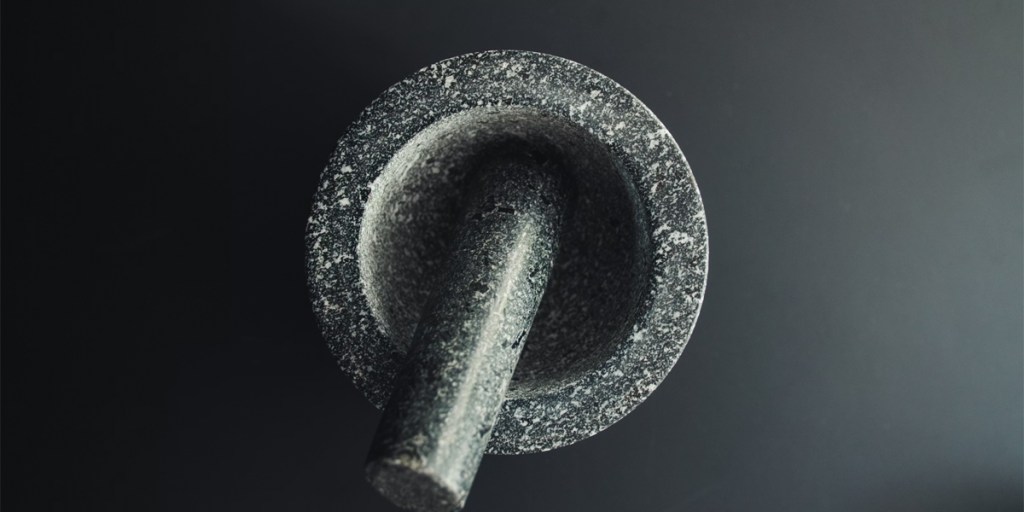
The best mortar and pestle material is dependent on several factors. To help you decide, we’ve outlined the most popular options and their best use cases.
Granite
Granite is widely considered the best material for mortar and pestle sets because of its exceptional durability and grinding performance.
Granite’s naturally rough texture makes it highly effective for crushing spices, herbs, seeds, and garlic. This is why granite mortars are commonly used in traditional cuisines such as Mexican, Thai, and Indian cooking.
Key advantages of granite mortar and pestles include:
- Excellent grinding efficiency due to rough surface texture
- Extremely durable and resistant to cracking
- Heavyweight that provides stability during use
- Ideal for both dry spices and wet pastes
Best for: spice grinding, curry pastes, guacamole, pesto
Marble
Marble is another popular material that offers both durability and visual appeal. Its smooth surface and elegant appearance make it a common choice for modern kitchens.
While marble is strong, it is slightly smoother than granite, which means grinding requires more effort for certain ingredients. Additionally, marble can sometimes stain when used with high pigment ingredients like turmeric or saffron.
Best for: home kitchens, herb grinding, and stylish kitchen displays.
Ceramic
Ceramic mortar and pestle sets are often used in pharmacies and kitchens because they provide a non-reactive grinding surface. Many ceramic mortars feature a rough interior surface to improve grinding efficiency while maintaining a smooth outer appearance.
Advantages include:
- Non-reactive material that does not affect flavor
- Resistant to staining and odors
- Easy to clean and maintain
- Available in a wide range of styles and colors
Ceramic mortar and pestles are often chosen by consumers who want a clean, modern kitchen aesthetic.
Best for: spice grinding, herbs, and general kitchen use.
Wood
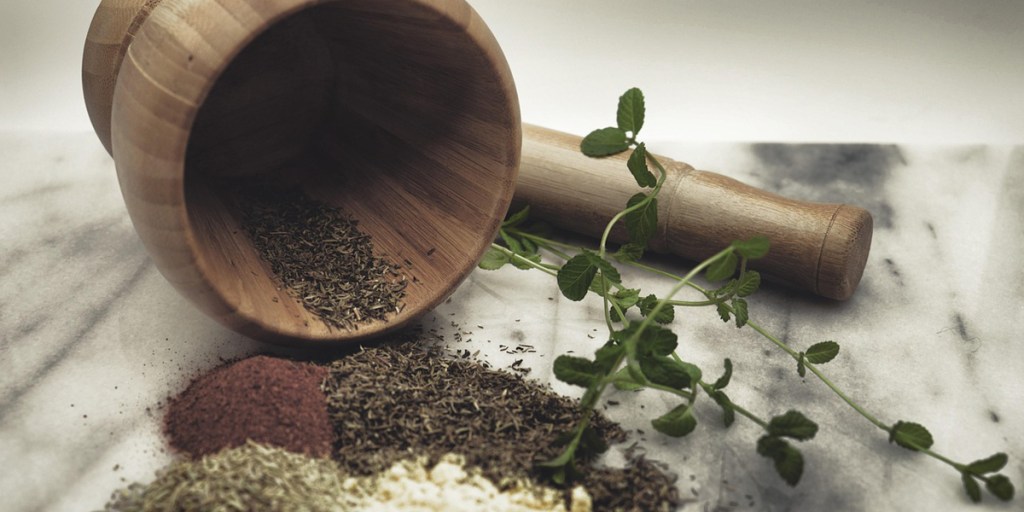
Wooden mortar and pestle sets are commonly used in traditional cooking environments and are valued for their natural appearance. However, wood is softer than stone or ceramic, which means it may not be as effective for grinding very hard spices.
Benefits of wooden mortar and pestles include:
- Lightweight and easy to handle
- Natural aesthetic appeal
- Quiet grinding compared to stone tools
- Less risk of damaging delicate ingredients
However, wood can absorb oils and flavors, which may require more careful cleaning.
Best for: herbs, light spices
Stainless steel
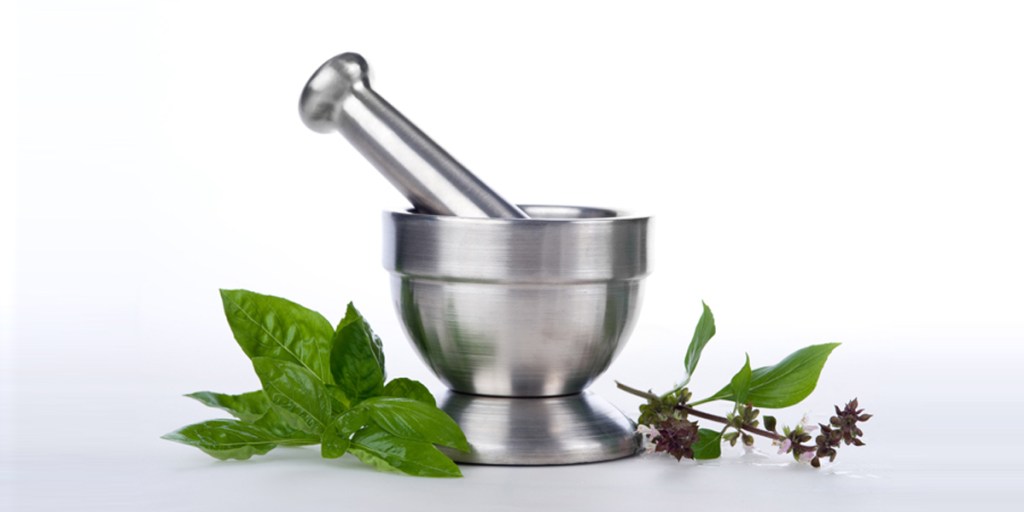
Stainless steel mortar and pestle sets are a modern alternative that emphasizes durability and hygiene. Because stainless steel is non-porous and easy to sanitize, it is often used in professional kitchens and laboratories.
Advantages include:
- Highly durable and corrosion-resistant
- Easy to clean and dishwasher safe
- Resistant to staining and odor absorption
- Modern kitchen appearance
However, the smooth surface of stainless steel can make grinding slightly less efficient compared to rough stone materials.
Best for: hygienic food preparation and modern kitchen environments.
Mortar and pestle size guide: Choosing the right size
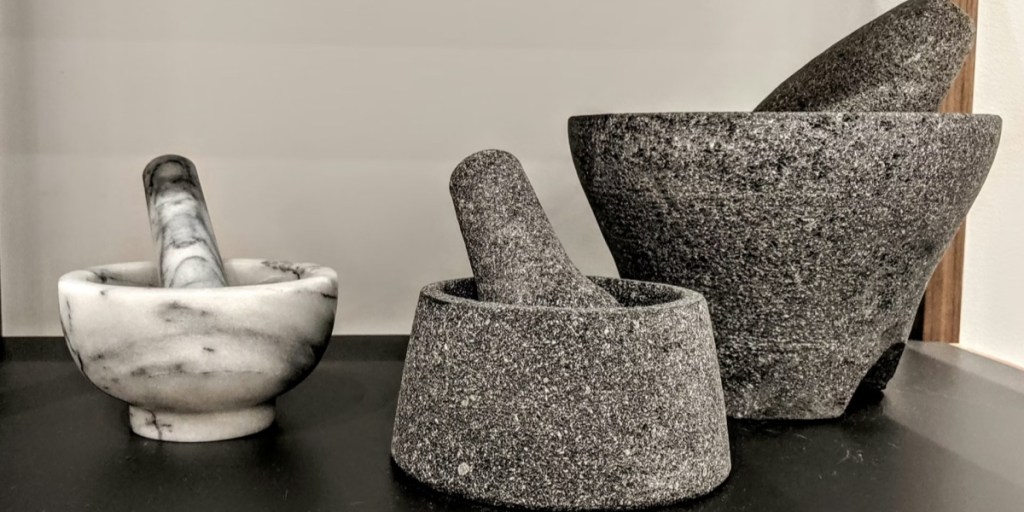
In addition to the material, the size of a mortar and pestle plays a major role in how useful the tool will be in the kitchen. Consumers often underestimate how much space ingredients need during grinding, and a small mortar can make it difficult to properly crush spices or mix pastes.
The size of the mortar affects more than just how much it can hold—it also influences how effectively ingredients can be crushed.
A large mortar provides:
- More room for ingredients to move while grinding
- Less ingredient spillage
- More efficient grinding for spices and herbs
- A large pestle provides better leverage for grinding
This is why many chefs recommend choosing a larger size than you think you need. In fact, they recommend purchasing the largest mortar and pestle that comfortably fits in your kitchen.
| Size | Diameter | Capacity | Best for |
| Small | 3–4 inches | Very small batches | Quick spice grinding |
| Medium | 5–6 inches | Moderate capacity | Everyday kitchen use |
| Large | 7–8+ inches | Large batches | Pastes, sauces, and serious cooking |
For most consumers, a 5–6 inch mortar and pestle offers the best balance of usability and storage convenience. However, cooks who frequently prepare spice blends or traditional recipes often prefer larger stone mortars for improved grinding efficiency.
For retailers and kitchenware brands, offering multiple sizes allows customers to choose the right tool based on their cooking habits.
Final thoughts: Choosing the best material for the mortar and pestle
For many chefs, a mortar and pestle is the best tool for effective grinding spices. Though the best option will depend on the person’s goals, their cooking style, and maybe even the aesthetic of their kitchen. For most people, the strongest options include:
- Granite for superior grinding performance
- Marble for an elegant kitchen presentation
- Ceramic for easy cleaning and versatility
- Wood for traditional cooking
- Stainless steel for hygienic and modern kitchens
By understanding how different materials compare in performance, durability, aesthetics, and maintenance, retailers can curate mortar and pestle collections that appeal to a wide range of cooking styles and customer preferences.
Instead of manually searching through thousands of listings to find the best material, businesses can use AI to find reliable suppliers and optimize sourcing decisions faster. Try Accio.com to discover trusted kitchenware manufacturers and source mortar and pestle products more efficiently.