


Related search
Kitchen Appliances
Wedding Ring
Garment Accessories
Cars with Custom Features
Get more Insight with Accio
BABA Stock Surges as Alibaba Raises AI Chip Prices Up to 34%
BABA Stock Surges as Alibaba Raises AI Chip Prices Up to 34%
7min read·James·Mar 25, 2026
On March 18, 2026, Alibaba Group Holding Ltd. (BABA) implemented significant price adjustments for its T-Head AI chips, raising costs by 5% to 34% across different product tiers. This strategic move represents a fundamental shift from the traditional practice of aggressive pricing to gain market share toward value-based pricing that reflects the true cost of advanced semiconductor development. The pricing restructure affects thousands of businesses globally that depend on T-Head processors for machine learning workloads, edge computing applications, and cloud-based AI inference systems.
Table of Content
- Rising AI Chip Prices: How Alibaba is Reshaping the Tech Market
- Strategic Monetization: From Investment Phase to Revenue Generation
- Supply Chain Implications for Global Technology Buyers
- Turning Market Shifts Into Procurement Advantages
Want to explore more about BABA Stock Surges as Alibaba Raises AI Chip Prices Up to 34%? Try the ask below
BABA Stock Surges as Alibaba Raises AI Chip Prices Up to 34%
Rising AI Chip Prices: How Alibaba is Reshaping the Tech Market
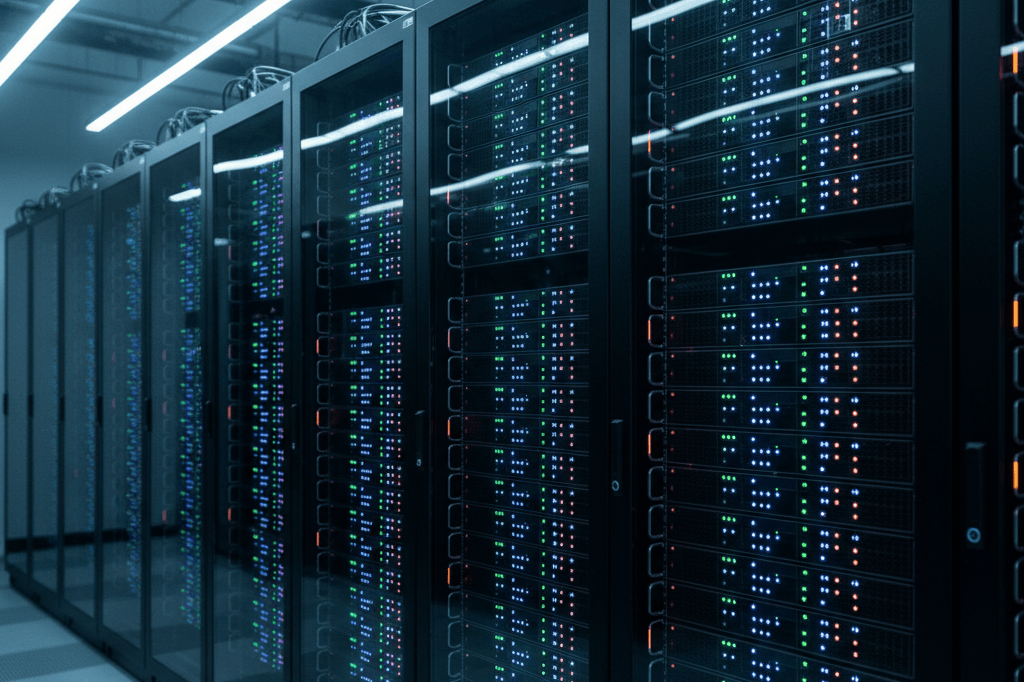
Market participants responded positively to this AI chip valuation strategy, driving BABA shares up 4.2% on the Hong Kong exchange immediately following the announcement. The surge demonstrates investor confidence in Alibaba’s ability to monetize its substantial investments in AI infrastructure, which have totaled billions of dollars over recent years. This price increase signals to the broader tech market that AI chip suppliers are moving beyond subsidy-driven growth models toward sustainable profit generation, potentially influencing tech infrastructure costs across multiple industries worldwide.
Alibaba Group Financial Performance and Strategic Initiatives (2025-2026)
| Metric / Initiative | Period / Context | Value / Outcome |
|---|---|---|
| Cloud Business Revenue Growth | Q3 FY2025 (Ended Dec 2025) | 43.3 billion yuan ($6.2 billion), +36% YoY |
| Overall Group Revenue | Q3 FY2025 (Ended Dec 2025) | 284.84 billion yuan ($41.28 billion), +1.7% YoY |
| Net Income | Q3 FY2025 (Ended Dec 2025) | 16.3 billion yuan ($2.4 billion), -66.3% YoY |
| Adjusted EBITA | Full Group Q3 FY2025 | 9.1 billion yuan, -78% YoY |
| AI Product Revenue Growth | Last 10 Consecutive Quarters | Triple-digit year-over-year growth |
| Quick Commerce Revenue | Q3 FY2025 (Ended Dec 2025) | $3.0 billion, +56% YoY |
| International E-commerce Revenue | Q3 FY2025 (Ended Dec 2025) | $5.6 billion, +4% YoY |
| China E-commerce Revenue | Q2 FY2025 (Ended Sept 2025) | 132.6 billion yuan, +16% YoY |
| Free Cash Flow | Q3 FY2025 | $1.6 billion, -71% YoY |
| Cash and Liquid Investments | End of Q3 FY2025 | $80.1 billion |
| Capital Expenditure (AI/Cloud) | Last 4 Quarters preceding late 2025 | ~120 billion yuan |
| Long-term AI/Cloud Revenue Target | Five-Year Goal | $100 billion combined revenue |
| Qwen AI Platform Users | Early 2026 | Over 300 million monthly active users |
| Qwen Mobile App Downloads | First week post-launch (Mid-2025) | Over 10 million downloads |
| New Organizational Unit | Strategic Pivot (2026) | “Alibaba Token Hub” led by CEO Eddie Wu |
| AI Service Pricing Strategy | Upcoming Adjustment | Increase up to 34% for select services |
| GPU Capacity Status | Current Supply Chain | Operating at full capacity/near maximum utilization |
Strategic Monetization: From Investment Phase to Revenue Generation
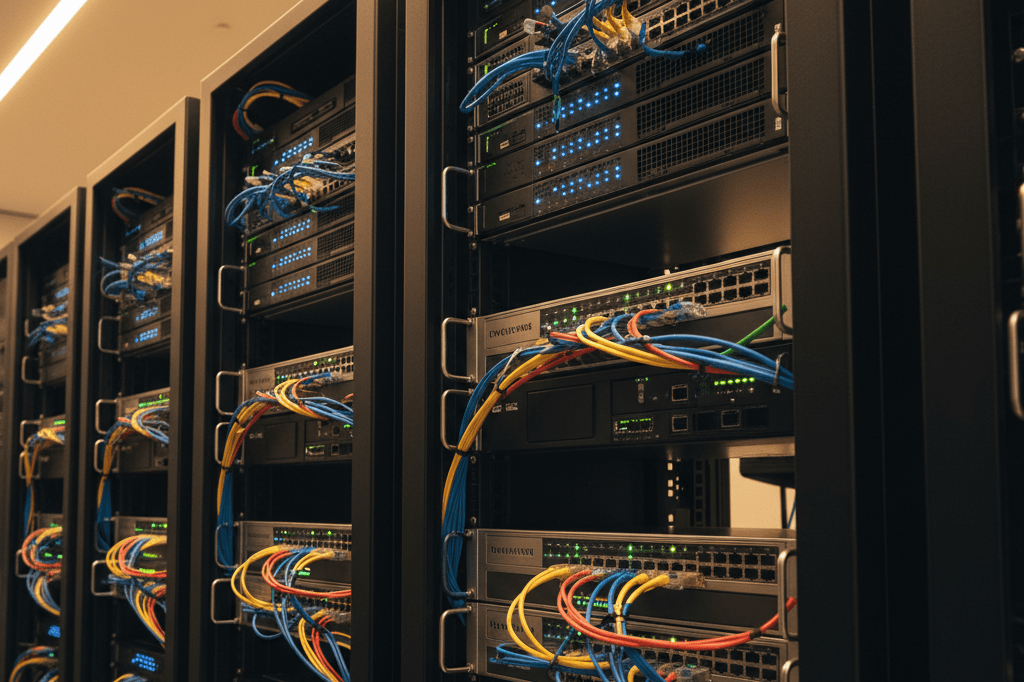
Alibaba’s transition from heavy capital investment to active revenue generation reflects a maturing AI infrastructure market where leading players can command premium pricing for specialized technology. The company’s cloud parallel file storage service costs increased by approximately 30% alongside the chip price adjustments, indicating a comprehensive approach to monetizing cloud services across the entire technology stack. This coordinated pricing strategy demonstrates how established tech giants can leverage their market position to improve margins while maintaining competitive advantages in artificial intelligence and cloud computing sectors.
The strategic shift comes as Alibaba pursues an ambitious $100 billion combined cloud and AI revenue target over five years, requiring sustained pricing power and market expansion. Management’s focus on monetization rather than pure growth metrics aligns with broader industry trends where investors increasingly demand profitability from technology infrastructure investments. This approach affects digital supply chains worldwide as businesses must now factor higher AI infrastructure costs into their technology procurement budgets and long-term strategic planning processes.
Triple-Digit Growth: The Numbers Behind AI Revenue
Alibaba has maintained triple-digit year-over-year growth in AI-related products for ten consecutive quarters as of March 2026, demonstrating consistent demand for advanced artificial intelligence solutions across enterprise and consumer markets. This remarkable growth trajectory spans 2.5 years of sustained expansion, positioning the company’s AI division as one of the fastest-growing segments in the global technology sector. The Cloud Intelligence segment specifically recorded 36% year-over-year revenue growth in recent quarters, significantly outpacing previous performance metrics and indicating accelerating market adoption of cloud-based AI services.
Competitive Pricing Landscape in the AI Ecosystem
The AI industry experienced widespread pricing adjustments in early 2026, with Tencent announcing more than a fourfold price increase for its Hunyuan AI models and Baidu planning up to 30% price hikes for AI cloud services. This industry-wide shift toward higher pricing reflects increased confidence in market demand and the need to offset substantial research and development investments across the artificial intelligence ecosystem. These coordinated moves suggest that major tech companies have moved past the initial market-building phase and are now focused on establishing sustainable revenue streams from their AI infrastructure investments.
Alibaba’s pricing adjustments help offset the company’s massive RMB 380 billion multi-year infrastructure investment plan, which has pressured short-term margins despite creating long-term competitive advantages. The strategic price increases affect supplier-buyer dynamics throughout the technology supply chain, forcing downstream companies to reassess their AI adoption strategies and budget allocations for advanced computing resources. This shift particularly impacts smaller technology firms and startups that previously benefited from subsidized access to cutting-edge AI infrastructure but must now navigate higher operational costs for artificial intelligence capabilities.
Supply Chain Implications for Global Technology Buyers
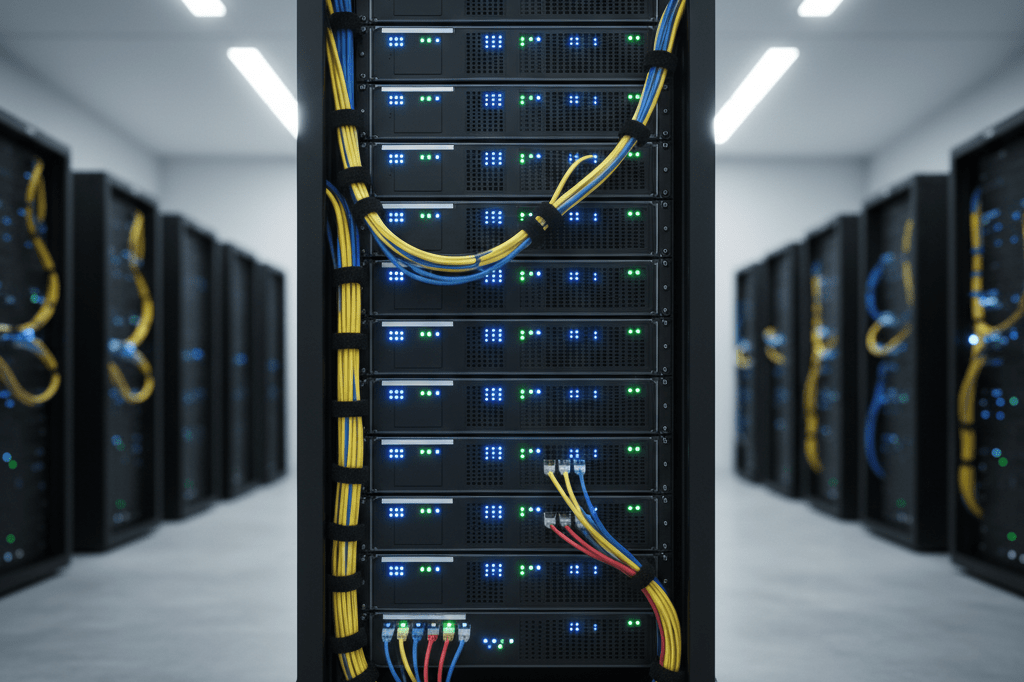
Alibaba’s 30% increase in cloud parallel file storage services and T-Head AI chip price hikes of 5% to 34% fundamentally alter global technology procurement strategies for enterprise buyers. Technology purchasing professionals must now recalibrate their hardware sourcing approaches to accommodate these elevated costs while maintaining operational efficiency across international supply chains. The price adjustments affect not only direct procurement expenses but also influence multi-year technology investment planning cycles, forcing buyers to reassess their AI infrastructure costs and budget allocation strategies.
Global wholesalers and retailers integrating AI capabilities into their operations face immediate pressure to adapt procurement workflows to these new pricing realities. Supply chain managers must evaluate alternative sourcing strategies while balancing performance requirements against increased technology investment planning costs across their vendor networks. This shift particularly impacts companies with distributed cloud infrastructure needs, where the 30% storage cost increase translates to significant annual budget implications for organizations managing terabytes of data across multiple geographic regions.
Hardware Sourcing Strategy: Adapting to New Price Realities
The price-performance ratio for T-Head AI chips now requires comprehensive reevaluation following the 5% to 34% cost increases across different processor tiers and configurations. Technology buyers must analyze processing capabilities per dollar spent, comparing inference throughput, energy efficiency ratings, and computational density metrics against the new pricing structure to determine optimal hardware selections. Advanced buyers are implementing detailed benchmarking protocols that measure operations per second per dollar, memory bandwidth utilization rates, and thermal efficiency coefficients to justify premium pricing for specialized AI workloads.
Three primary approaches emerge for diversifying AI hardware sources: geographic supplier distribution, technology stack diversification, and vendor risk mitigation strategies. Leading procurement teams are establishing relationships with alternative chip manufacturers including Intel’s Gaudi processors, AMD’s Instinct accelerators, and emerging Chinese semiconductor companies to reduce dependency on single-source suppliers. Volume commitment negotiations become crucial leverage points, where buyers can secure preferential pricing through multi-year contracts guaranteeing minimum purchase quantities, typically ranging from 10,000 to 100,000 units annually depending on enterprise scale and processing requirements.
Cloud Infrastructure Planning in a Higher-Cost Environment
Budget reallocation strategies must accommodate the 30% increase in cloud storage costs while maintaining operational performance across distributed computing environments. Technology buyers are shifting capital expenditure allocations from traditional on-premises infrastructure toward hybrid cloud solutions that optimize cost-performance ratios in the new pricing landscape. This reallocation typically involves reducing physical data center investments by 15% to 25% while increasing cloud service budgets to absorb higher storage and processing costs without compromising system capabilities.
Long-term contract negotiations become critical for locking in current rates before additional price adjustments affect AI infrastructure costs across the technology sector. Procurement professionals are securing three to five-year agreements with fixed pricing clauses, storage capacity guarantees, and performance level agreements that protect against future cost volatility. Hybrid solutions balancing proprietary infrastructure against third-party services allow buyers to maintain cost control while accessing cutting-edge AI capabilities, typically splitting workloads 60% on-premises and 40% cloud-based to optimize both performance and expenditure management.
Turning Market Shifts Into Procurement Advantages
Forward purchasing strategies enable technology buyers to secure AI infrastructure capacity before potential additional price increases affect the global semiconductor and cloud services markets. Procurement professionals are accelerating purchase timelines by 6 to 12 months, leveraging current inventory availability and negotiating extended payment terms to offset immediate cash flow impacts from higher AI infrastructure costs. This approach requires sophisticated demand forecasting and technology investment planning that accounts for processing requirements, storage growth projections, and performance scaling needs across multi-year operational cycles.
Performance benchmarking methodologies provide quantifiable metrics to measure true return on investment for premium-priced AI chips and cloud services in the current market environment. Advanced buyers implement comprehensive testing protocols measuring inference latency, training throughput, energy consumption per computation, and total cost of ownership over three to five-year periods. Stock movement analysis offers additional procurement intelligence, with BABA’s 4.2% share price increase following the pricing announcement indicating market confidence that can guide technology investment planning decisions and vendor selection strategies for global supply chain managers.
Background Info
- On or about March 18, 2026, Alibaba Group Holding Ltd. (BABA) raised prices for its T-Head AI chips by between 5% and 34%, while also increasing cloud parallel file storage service costs by approximately 30%.
- Following the price increase announcement, BABA shares climbed 4.2% on the Hong Kong exchange, reflecting positive market reception to the company’s strategy of monetizing its artificial intelligence infrastructure.
- As of March 24, 2026, Alibaba reported that revenue from AI-related products had maintained triple-digit year-over-year growth for ten consecutive quarters.
- Management set a target of generating over $100 billion in combined cloud and AI revenue over a five-year period, driving a strategic pivot from heavy capital investment toward active monetization.
- In the fiscal third quarter ending June 2025, Alibaba reported total revenue of RMB 247.65 billion ($34.73 billion), representing a 2% year-over-year increase, while net income surged 78% annually.
- The company’s Cloud Intelligence segment recorded 36% year-over-year revenue growth, outpacing previous quarters and signaling accelerating demand for cloud-based AI services.
- By early September 2025, reports indicated Alibaba was developing new AI chips, contributing to a 19% single-day surge in share price at that time.
- Analyst consensus as of late March 2026 rated BABA stock as a “Moderate Buy” with an average 12-month price target of approximately $195.17, implying significant upside from current trading levels.
- Specific analyst actions included Mizuho maintaining an “Outperform” rating while trimming its price target to $190, and Nomura keeping a “Buy” rating while adjusting its target to $200 from $237.
- Heavy capital expenditure plans were confirmed, including a multi-year infrastructure investment plan valued at RMB 380 billion, which has pressured short-term margins despite long-term growth potential.
- Leadership changes impacted sentiment when Lin Junyang, the technical lead behind the Qwen AI model, resigned following the launch of the Qwen 3.5 open-weight small models.
- Competitor movements influenced the landscape, with Tencent announcing more than a fourfold price increase for its Hunyuan models and Baidu planning up to 30% price hikes for its AI cloud services.
- Global context included Nvidia ramping production of H200 AI accelerators specifically for the Chinese market, highlighting sustained regional demand for high-performance computing power amidst US export uncertainties.
- Geopolitical factors, including Middle East tensions and US-China trade dynamics, continued to influence valuation metrics, with some strategists noting the stock traded at a discount relative to intrinsic value due to these macroeconomic risks.
Related Resources
- Simplywall: Alibaba AI Chip And Platform Moves Contrast…
- Tradingkey: Alibaba Group Holding Ltd Stock (BABA) Moved Up…
- Finance: Jefferies Lowers PT on Alibaba Group Holding…
- Aastocks: Bearish block trade of BABA-W(09988) 65.2K shares…
- Insidermonkey: Jefferies Lowers PT on Alibaba Group Holding…