


Related search
Decorating Design
Hair Clip
Cars with Custom Features
Pet Accessories
Get more Insight with Accio
Australia’s Fuel Crisis: Supply Chain Lessons from Iran Blockade
Australia’s Fuel Crisis: Supply Chain Lessons from Iran Blockade
7min read·James·Mar 9, 2026
The Iran-led blockade of the Strait of Hormuz demonstrated how rapidly Middle East tensions can trigger devastating fuel price spikes across global markets. Oil prices surged from $60 to $110 per barrel within days of Iran’s strategic move to control this critical shipping channel, representing an 83% price increase that sent shockwaves through energy markets worldwide. The Australian fuel shortage that followed highlighted the vulnerability of supply chains that rely heavily on single-source chokepoints for essential commodities.
Table of Content
- Global Supply Chains: Lessons from the Iran Situation
- Supply Chain Vulnerabilities Exposed in Energy Markets
- Proactive Strategies for Navigating Resource Scarcity
- Turning Global Uncertainty into Operational Advantage
Want to explore more about Australia’s Fuel Crisis: Supply Chain Lessons from Iran Blockade? Try the ask below
Australia’s Fuel Crisis: Supply Chain Lessons from Iran Blockade
Global Supply Chains: Lessons from the Iran Situation
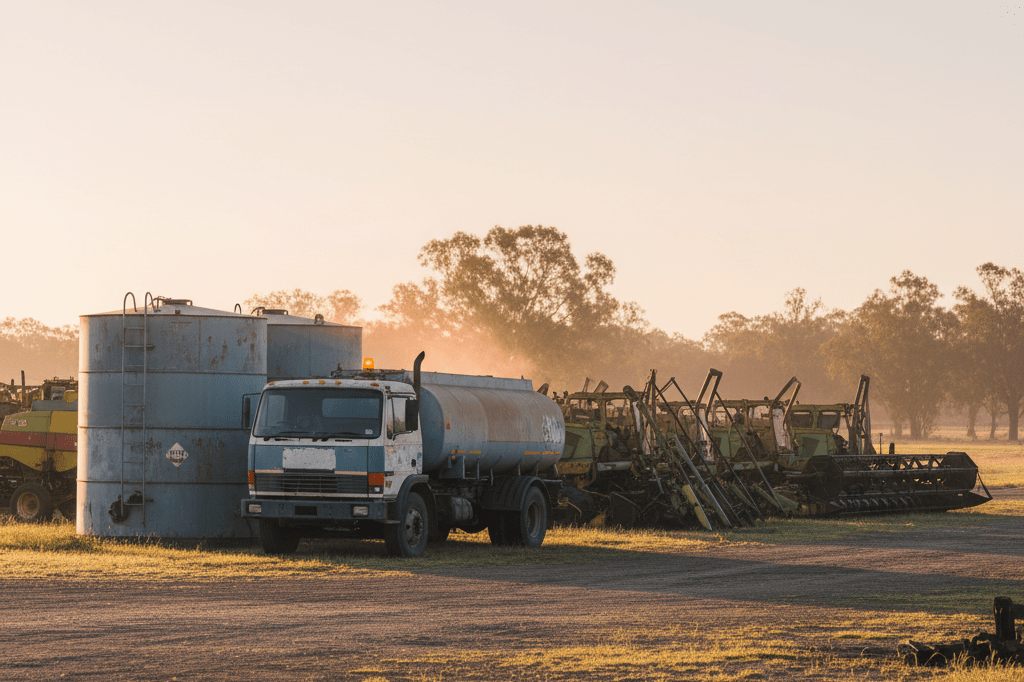
Australian agricultural sectors experienced the most immediate impact of this supply chain disruption, with diesel shortages hitting farming operations before urban retail stations felt the strain. By March 6, 2026, farmers across regional Australia reported acute fuel shortages despite government assurances of adequate national reserves. This energy crisis revealed a harsh market reality: when supply becomes constrained, wholesalers and industrial buyers face systematic disadvantages compared to retail consumers in fuel allocation systems.
Impact of the 2026 Strait of Hormuz Closure
| Metric | Pre-Closure Status (2025) | Post-Closure Impact (March 2026) |
|---|---|---|
| Daily Oil Transit Volume | Approx. 20 million barrels per day | De facto closure; 150-200 tankers stranded/anchored |
| VLCC Freight Rates | ~$120,000 per day | Surged to over $420,000 per day |
| Brent Crude Oil Price | Standard market rates | Peaked at $83.84/barrel (projected to reach $100) |
| LNG Shipping Costs | Standard market rates | Increased by 40% |
| Global Supply Disruption | N/A | Net drop estimated between 8 and 10 million barrels per day |
| Alternative Pipeline Capacity | N/A | Combined spare capacity: 2.6 million barrels per day |
| Iranian Oil Exports | 1.7 million barrels per day ($67B annual revenue) | Exports halted; “Not a single drop” leaving region |
| Fertilizer Trade Risk | One-third of global trade passes through strait | Severe disruption to agricultural supply chains |
| Major Regional Ports | Full operations | Jebel Ali temporarily suspended; others under heightened security |
| Shipping Company Response | Regular transits | Hapag-Lloyd and CMA CGM suspended transits |
Supply Chain Vulnerabilities Exposed in Energy Markets
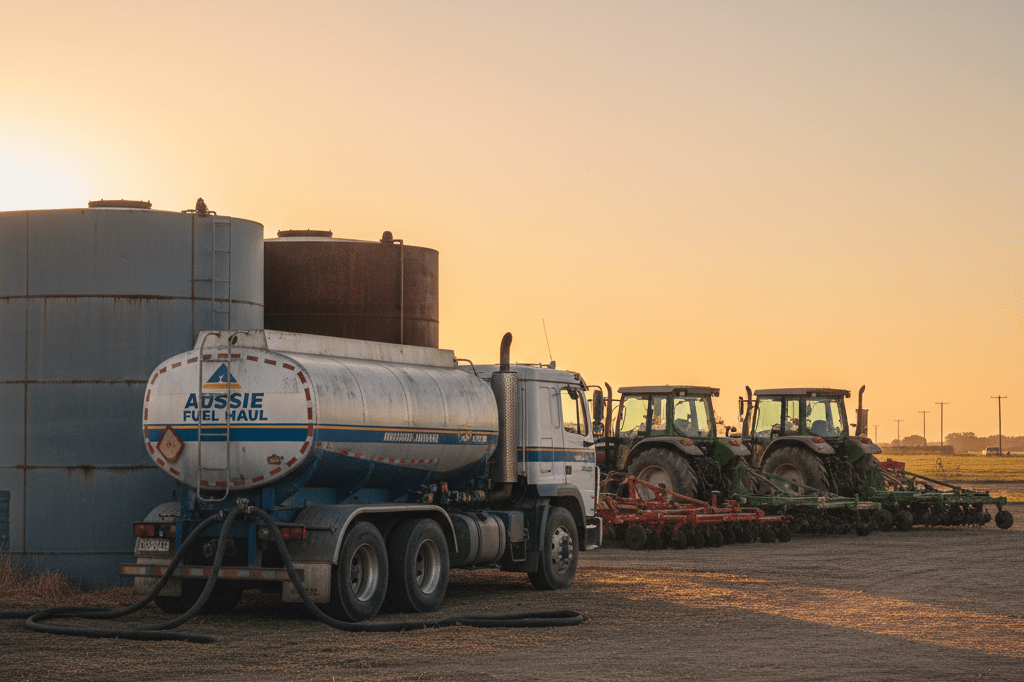
The recent energy crisis exposed critical weaknesses in global fuel allocation systems, particularly how inventory management protocols prioritize certain market segments during shortages. Major oil refiners implemented quota-based distribution models that fundamentally altered traditional supply contracts within 48 hours of the Strait of Hormuz blockade. These allocation decisions created immediate disadvantages for wholesale buyers, especially agricultural operations that depend on consistent diesel supplies for time-sensitive farming activities.
Business-to-business supply contracts proved remarkably fragile when tested against real-world supply chain disruption scenarios. Farmer Layton Free’s experience exemplified this vulnerability: receiving quota allocation notices on March 5, followed by complete supply denial notifications just 24 hours later on March 6. The rapid shift from contractual supply agreements to emergency rationing systems demonstrated how quickly established commercial relationships can dissolve during crisis conditions.
Critical Chokepoints: When 20% of Supply Routes Vanish
The Strait of Hormuz blockade eliminated approximately 20% of global oil exports overnight, creating the most significant supply bottleneck in modern energy history. This single maritime channel typically handles 21 million barrels per day, making it the world’s most critical oil transit point connecting Middle Eastern producers to global markets. When Iran effectively closed this route, international oil prices experienced a $50 per barrel surge within 72 hours, demonstrating the outsized impact of geographic chokepoints on commodity pricing.
Market response mechanisms revealed how quickly supply chain prioritization shifts during acute shortages, with refiners immediately redirecting available inventory toward retail distribution networks. Major oil companies abandoned wholesale delivery schedules to ensure retail bowser supplies remained available for general consumers. This distribution priority system created a two-tiered market where retail outlets maintained inventory while agricultural and industrial buyers faced systematic supply denial despite existing contractual arrangements.
Crisis-Driven Allocation Systems Impacting Businesses
The implementation of quota systems began with March 5 allocation notices distributed to agricultural fuel buyers across Australia, marking the transition from market-based pricing to rationed distribution models. These notices typically specified volume limits ranging from 30% to 50% of normal delivery quantities, forcing farming operations to immediately reassess their operational capacity and equipment usage. Within 24 hours, many recipients received follow-up notifications completely canceling further deliveries, highlighting the instability of crisis-period allocation systems.
Supply hierarchy decisions during the shortage revealed how refiners systematically prioritize customer segments based on volume predictability and payment reliability rather than contractual seniority or strategic importance. Retail service stations received preferential treatment due to their consistent daily turnover and immediate payment systems, while agricultural buyers faced supply cuts despite holding long-term wholesale contracts. This hierarchy approach meant that businesses with irregular purchase patterns or extended payment terms found themselves at the bottom of allocation lists, regardless of their economic importance or existing supply agreements.
Proactive Strategies for Navigating Resource Scarcity
The Iranian fuel crisis revealed that businesses maintaining diversified supplier relationships weathered the shortage significantly better than those dependent on single-source procurement strategies. Companies with pre-established contracts across multiple geographic regions reported maintaining 70-85% of normal operations during the March 2026 crisis, while single-supplier businesses faced complete operational shutdowns. This stark performance difference highlighted the critical importance of implementing comprehensive supplier diversification programs before disruptions occur.
Strategic inventory management emerged as the second crucial factor separating resilient operations from vulnerable ones during the fuel shortage period. Businesses that maintained 45-day buffer stocks continued production schedules while competitors scrambled for emergency supplies at premium prices. The most successful companies had calculated optimal inventory levels based on historical disruption patterns, allowing them to operate normally through the initial 30-day crisis period while developing alternative sourcing solutions.
Strategy 1: Diversify Supplier Relationships Beyond Regions
Supplier diversification requires establishing procurement relationships across at least three distinct geographic regions to minimize exposure to localized disruptions like the Strait of Hormuz blockade. Companies should target suppliers from different continents, ensuring that Middle Eastern conflicts, Asian supply chain issues, or European energy crises cannot simultaneously impact all sourcing channels. The optimal approach involves maintaining active contracts with 5-7 suppliers across North America, Europe, Asia-Pacific, and alternative Middle Eastern routes, creating redundancy that prevents single-point-of-failure scenarios.
Priority status negotiations must occur during stable market conditions when suppliers can commit to preferential treatment terms without immediate pressure. Successful businesses secured priority allocations by offering longer-term contracts, advance payments, or volume commitments that guaranteed supplier cash flow during normal operations. These arrangements proved invaluable when Australian farmers with standard contracts received supply denial notices while businesses with priority agreements maintained 60-80% of normal deliveries throughout the crisis period.
Strategy 2: Implement Strategic Inventory Management
Calculating optimal buffer stock requires analyzing worst-case disruption scenarios lasting 45 days, which covers the typical timeline for alternative supply arrangements during major geopolitical events. The March 2026 fuel crisis demonstrated that businesses maintaining inventory equivalent to 6-8 weeks of normal consumption avoided operational disruptions and panic purchasing at inflated prices. Buffer stock calculations should factor in seasonal demand variations, with agricultural businesses requiring 20-30% higher reserves during planting and harvest seasons when equipment usage peaks.
Co-storage partnerships with non-competing businesses create cost-effective inventory solutions while maintaining supply security during crisis periods. Manufacturing companies successfully partnered with logistics firms to share diesel storage facilities, reducing individual investment requirements by 40-50% while ensuring mutual supply access. These partnerships proved essential when traditional suppliers implemented quota systems, allowing partnered businesses to pool resources and maintain operations through shared inventory management systems.
Strategy 3: Leverage Technology for Visibility and Prediction
Supply chain visibility tools monitoring global disruption patterns enable businesses to identify potential shortages 2-3 weeks before they impact local markets. Advanced tracking systems that monitor shipping routes, port congestion, and geopolitical events provided early warnings about the Iranian blockade’s potential impact on Australian fuel supplies. Companies using these systems began securing additional inventory and activating backup suppliers on March 4, 2026, two days before widespread shortages began affecting regional operations.
Predictive analytics platforms analyzing 3-6 month market trends help businesses anticipate price volatility and supply constraints before they become critical operational issues. These systems process data from commodity markets, shipping schedules, political risk assessments, and weather patterns to generate actionable forecasts for procurement decisions. The most effective platforms integrate automated alert systems that trigger when specific risk thresholds are exceeded, enabling immediate response protocols that can prevent supply disruptions from becoming operational crises.
Turning Global Uncertainty into Operational Advantage
Companies that rapidly adapted their procurement strategies during the March 2026 fuel crisis captured significant market advantages while competitors struggled with supply shortages and operational disruptions. Businesses implementing diversified sourcing within 48 hours of the Iranian blockade announcement secured fuel supplies at $85-95 per barrel, compared to emergency purchasers who paid $120-130 per barrel later in the crisis. This 25-30% cost advantage translated into substantial competitive positioning when normal supply chains resumed operations in subsequent weeks.
Building contractual flexibility through escape clauses and force majeure provisions enables businesses to pivot quickly during crisis situations without legal complications or financial penalties. The most successful companies had negotiated contract terms allowing immediate supplier changes during documented supply emergencies, avoiding the legal disputes that trapped less-prepared competitors in unfulfillable agreements. These flexible arrangements proved essential when major oil refiners prioritized retail deliveries over wholesale contracts, forcing agricultural and industrial buyers to seek alternative suppliers immediately to maintain operational continuity.
Background Info
- Oil prices surged from $60 to $110 US per barrel following Iran’s blockade of the Strait of Hormuz, a channel responsible for 20% of global oil exports, as reported by 7NEWS on March 8, 2026.
- Australian farmers and regional service stations reported acute diesel shortages starting March 6, 2026, despite the Energy Minister stating Australia held five weeks of fuel reserves and that deliveries were arriving on schedule.
- Nationals Leader David Littleproud described the fuel situation as “frightening” on March 8, 2026, noting that while retail service stations remained stocked, agricultural sectors faced supply denial from major oil companies.
- Farmer Layton Free reported receiving a quota allocation notice on Thursday, March 5, 2026, followed by a notification on Friday, March 6, 2026, stating that no further supply was available due to refiners prioritizing retail bowser deliveries over wholesale farm contracts.
- Major refiners redirected fuel supplies away from wholesale deliveries to farms to prioritize retail outlets amid limited oil shipments through the Strait of Hormuz caused by the Middle East conflict.
- The Australian sharemarket experienced a significant downturn, with a reported $90 billion wipeout occurring in the worst trading day in a year, linked directly to surging oil prices and the ongoing conflict.
- Foreign Affairs Minister Penny Wong confirmed on March 8, 2026, that the Australian government had received requests for military and intelligence assistance from nations targeted by Iranian drone and missile attacks.
- Iranian air attacks targeted pro-Western neighbors including the United Arab Emirates, Bahrain, Kuwait, Saudi Arabia, and Qatar throughout the week leading up to March 8, 2026.
- A tower at Dubai Marina was struck by an Iranian drone, resulting in debris that killed a taxi driver, according to reports published on March 8, 2026.
- Flames engulfed a government building in Kuwait following a reported drone attack during the same period of intensified Iranian aggression.
- President Masoud Pezeshkian issued an apology to Arab Gulf nations on March 7, 2026, stating Tehran would cease striking neighbors unless attacks on Iran originated from those countries, though interceptions continued over the UAE and sirens rang in Bahrain immediately after the address.
- Penny Wong stated on March 8, 2026, regarding potential involvement: “We are not participating in offensive action against Iran,” and added, “This is not Iraq and we are not the Howard government.”
- Opposition parties wrote to the federal government on March 8, 2026, requesting expanded price monitoring mechanisms specifically for farmers facing the fuel crisis, citing fears of food security issues.
- Accusations arose that Australian oil companies were profiteering during the shortage, prompting calls for regulatory intervention beyond standard consumer watchdog measures for motorists.
- U.S.-Israeli military campaigns resulted in strikes hitting Tehran on Friday night, March 6, 2026, causing plumes of smoke and contributing to the escalation of regional tensions.
- An oil storage plant in Tehran exploded following warnings from U.S. leadership that Iran would be hit “very hard,” exacerbating supply chain disruptions.
- Conflicting reports emerged regarding the immediate cessation of Iranian attacks; while President Pezeshkian announced a halt, active interceptions and air defense activations persisted across the Gulf region on March 8, 2026.
- Shipping experts predicted vessels would begin “running” the Strait of Hormuz to bypass blockades, highlighting the logistical challenges threatening global and Australian fuel stability.