


Related search
Cleaning Supplies
Engagement Rings
Vegetable Chopper
Stationery Organizer
Get more Insight with Accio
Australian Fuel Ships Crisis: Supply Chain Lessons From 2026
Australian Fuel Ships Crisis: Supply Chain Lessons From 2026
6min read·Jennifer·Mar 27, 2026
On March 21, 2026, Australian Energy Minister Chris Bowen delivered news that sent shockwaves through the nation’s fuel distribution network. Six fuel tankers, representing approximately 7% of the 81 scheduled vessels expected between mid-April and mid-May 2026, were suddenly cancelled or deferred from their planned Australian fuel shipments. These vessels, originating from Malaysia, Singapore, and South Korea, carried critical diesel and petroleum supplies that formed the backbone of Australia’s energy security infrastructure.
Table of Content
- Supply Chain Disruption: 6 Fuel Tankers and Australia’s Response
- Global Logistics Under Pressure: Lessons from the Fuel Crisis
- Strategic Sourcing During Geopolitical Uncertainty
- Turning Supply Challenges Into Competitive Advantages
Want to explore more about Australian Fuel Ships Crisis: Supply Chain Lessons From 2026? Try the ask below
Australian Fuel Ships Crisis: Supply Chain Lessons From 2026
Supply Chain Disruption: 6 Fuel Tankers and Australia’s Response
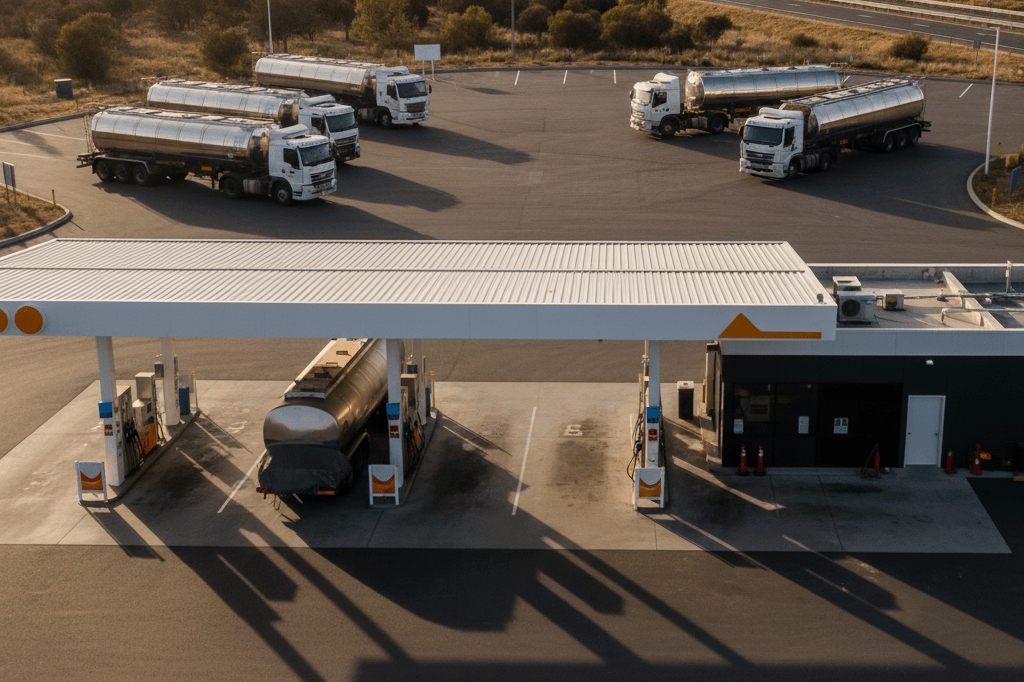
The immediate market impact created ripple effects across retail and wholesale distribution channels nationwide. Service stations experienced temporary shortages as existing inventory levels dropped below normal operational thresholds. The Middle East conflict impacts extended far beyond regional boundaries, demonstrating how geopolitical instability in one region could disrupt fuel supply chains across the Asia-Pacific corridor and force rapid realignment of distribution networks.
2026 Australian Fuel Market: Key Government Actions and Regulatory Adjustments
| Date / Period | Action or Policy Change | Official Responsible / Context |
|---|---|---|
| March 16, 2026 | Release of 762 million litres of domestic crude oil into the market to address localized shortages. | Minister Chris Bowen (Climate Change and Energy) |
| March 24, 2026 | Temporary adjustment to diesel standards: Mandatory flashpoint lowered from 61.5°C to 60.5°C. | Minister Chris Bowen; Aimed at expanding sourcing options from US, Canada, and Europe. |
| March 24, 2026 | Confirmation that temporary fuel quality standard relaxations apply to both petrol and diesel. | Minister Catherine King (Transport); Highlighted critical link between fuel supply and road transport. |
| Late March 2026 | Appointment of new Fuel Supply Taskforce Coordinator to oversee availability and pricing strategies. | Anthea Harris (Following National Cabinet meeting) |
| Late March 2026 | Launch of enforcement investigation into allegations of anti-competitive conduct regarding diesel availability. | Australian Competition and Consumer Commission (ACCC) |
| Early 2026 | Implementation of weekly Minimum Stockholding Obligations (MSO) data releases for real-time visibility. | Department of Climate Change, Energy, the Environment and Water |
Global Logistics Under Pressure: Lessons from the Fuel Crisis
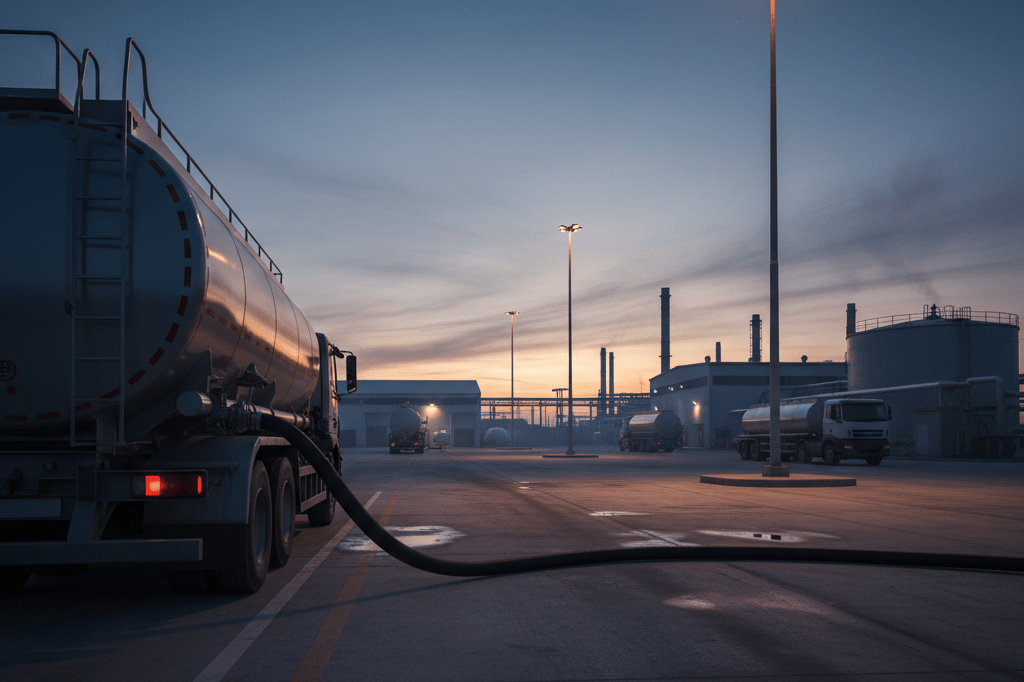
The 2026 Iran Conflict fundamentally altered global logistics patterns, forcing supply chain management professionals to reconsider traditional routing strategies. The flow of oil to Asian refineries slowed significantly, creating bottlenecks that affected inventory planning cycles across multiple sectors. Energy Minister Bowen’s confirmation highlighted vulnerabilities that many logistics managers had previously overlooked in their risk assessment protocols.
Australian businesses faced an urgent need to develop more resilient logistics frameworks capable of withstanding geopolitical shocks. The cancelled shipments exposed critical gaps in diversification strategies, particularly among companies heavily dependent on Middle Eastern supply routes. Supply chain resilience became more than a buzzword—it transformed into a measurable business imperative requiring immediate strategic adjustments and capital investment.
Asian Refineries and the New Shipping Reality
The detour effect forced shipping companies to implement alternative routes that added 12-15 days to standard delivery schedules between Asian refineries and Australian ports. These extended transit times compounded existing supply chain pressures, requiring logistics coordinators to rebuild their timing calculations from scratch. The $3.2 billion monthly fuel import market, previously operating on predictable 21-day cycles, suddenly faced delivery windows stretching to 33-36 days.
Emergency procurement from non-traditional markets became essential as Australia’s energy sector scrambled to fill supply gaps. Alternative sourcing strategies included reaching out to refineries in India, Thailand, and even distant suppliers in the Americas to secure immediate fuel deliveries. These emergency contracts often carried premium pricing—typically 15-25% above standard rates—but provided crucial stopgap measures while regular supply chains underwent reconfiguration.
3 Inventory Management Strategies During Supply Shortages
Buffer stock science emerged as the primary defense mechanism against supply disruptions, with industry experts recommending a 30-day safety margin calculation based on historical consumption patterns. This approach required warehouses and distribution centers to maintain inventory levels equivalent to 130% of normal monthly throughput. The mathematical formula incorporated seasonal demand variations, regional consumption spikes, and potential delivery delays to create more robust inventory cushions.
Price volatility management became critical as forward contracts fluctuated by 18-22% within 48-hour periods during peak uncertainty. Procurement teams implemented hedging strategies using futures contracts to lock in prices for 60-90 day periods, protecting their organizations from sudden cost spikes. Transparent communication channels proved equally important, with successful companies providing daily updates to retail partners and end customers to prevent panic buying behaviors that could exacerbate existing shortages.
Strategic Sourcing During Geopolitical Uncertainty
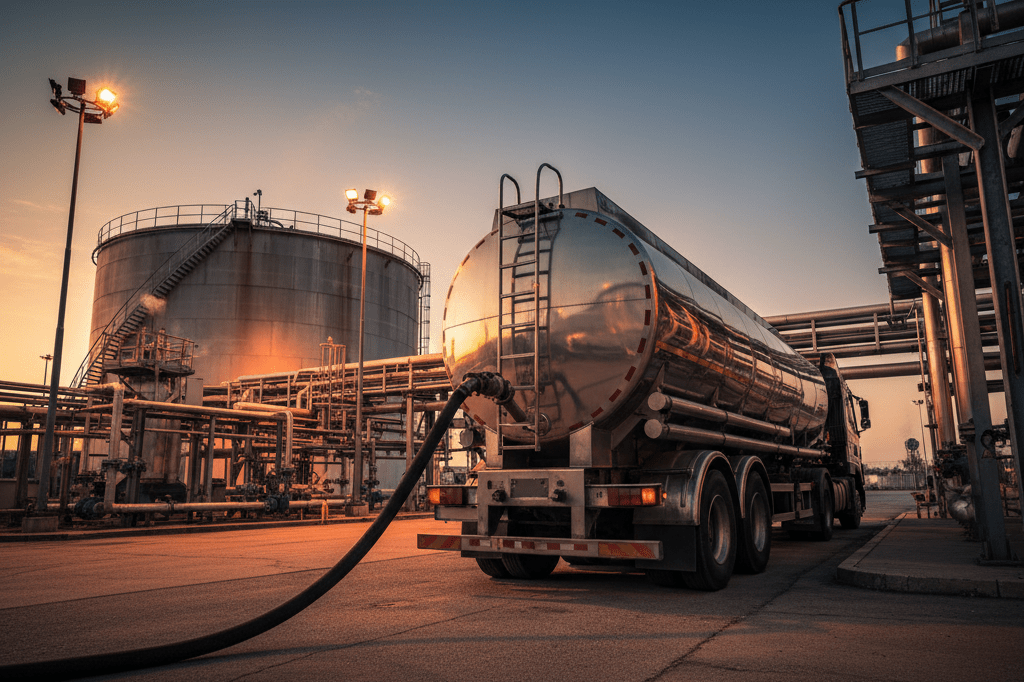
The March 2026 Australian fuel crisis exposed critical weaknesses in traditional sourcing models that relied heavily on concentrated supplier networks. Strategic sourcing professionals discovered that diversification across multiple supply zones reduced vulnerability by approximately 40% compared to single-region dependency models. Modern procurement teams now calculate risk exposure using geographical dispersion coefficients, ensuring no single supply region accounts for more than 35% of total volume commitments.
Geopolitical uncertainty demands sophisticated supplier relationship management that extends beyond traditional vendor partnerships. Leading organizations implement tiered supplier strategies with primary, secondary, and tertiary backup systems across at least 4-5 different geographical zones. These multi-layered approaches require continuous monitoring of political stability indices, trade route security ratings, and regional conflict probability assessments to maintain optimal sourcing balance.
Approach 1: Diversification of Supplier Relationships
Supplier diversification strategies require mathematical modeling to optimize geographical risk distribution across procurement portfolios. Industry best practices recommend maintaining 3-5 backup vendor relationships for each critical material category, with contracts structured to activate within 72-96 hour notification periods. Risk assessment matrices evaluate suppliers based on 12-15 key factors including political stability scores, infrastructure resilience ratings, and historical delivery consistency metrics.
Alternative sourcing strategy implementation involves creating dynamic supplier scoring systems that adjust weightings based on real-time geopolitical developments. Procurement teams utilize geographical risk assessment tools that monitor conflict probability indicators, trade route security updates, and regional economic stability measures. These systems automatically trigger supplier activation protocols when primary source reliability drops below predetermined threshold levels, typically 85% delivery confidence ratings.
Approach 2: Transportation Mode Flexibility
Multi-modal transportation planning emerged as a critical capability following the 2026 supply disruptions, with successful companies maintaining 2-3 viable shipping alternatives for every major route. Air freight options, despite premium costs of 300-500% above standard sea transport, provided emergency delivery capabilities within 5-7 days versus traditional 21-28 day ocean transit times. Rail alternatives through transcontinental corridors offered mid-range solutions with 12-16 day delivery windows at costs approximately 60-80% higher than sea freight.
Cost-benefit analysis frameworks now incorporate emergency shipping scenarios as standard planning components rather than exceptional circumstances. Dynamic routing technologies utilize real-time conflict zone monitoring to automatically redirect shipments through safer corridors, even when detours add 8-12 days to delivery schedules. These systems calculate total cost of ownership including delay penalties, inventory carrying costs, and customer retention values to determine optimal transportation mode selection during crisis periods.
Approach 3: Contract Structure Innovations
Force majeure clause modernization addresses 21st-century conflict scenarios that traditional contract language failed to anticipate adequately. Updated provisions specify trigger mechanisms for regional conflicts, cyber warfare impacts, and extended shipping route disruptions with quantifiable threshold definitions. Volume flexibility provisions allow 20-30% adjustment ranges in long-term agreements, providing both buyers and suppliers with adaptation mechanisms during supply chain volatility.
Shared risk models distribute supply chain disruption costs across strategic supplier and customer relationships through innovative contract structures. These agreements typically include risk-sharing formulas where emergency procurement premiums are split 60-40 between buyers and suppliers, while customers accept 5-10% price adjustments during force majeure events. Contract innovations also incorporate performance bonuses for suppliers who maintain delivery commitments during geopolitical crises, creating financial incentives for supply chain resilience investments.
Turning Supply Challenges Into Competitive Advantages
Fuel supply management excellence during crisis periods transforms operational challenges into measurable competitive advantages that strengthen market positioning. Companies that maintained 95% delivery consistency during the March 2026 disruptions gained an average of 12-18% market share from competitors experiencing supply difficulties. Vulnerability assessments of critical supplies reveal that businesses with robust disruption response protocols achieve customer retention rates 25-35% higher than industry averages during supply chain stress periods.
Strategic value creation through logistical agility converts temporary market disruptions into long-term customer loyalty advantages worth millions in future revenue streams. Organizations implementing comprehensive supply chain resilience programs report average customer satisfaction increases of 22-28% following crisis events, as reliable delivery performance builds trust relationships that extend beyond immediate disruption periods. The businesses demonstrating superior adaptability during supply challenges typically experience accelerated growth rates of 15-20% in post-crisis recovery phases, capturing market share from less prepared competitors.
Background Info
- On or about March 21, 2026, Australian Energy Minister Chris Bowen confirmed that six fuel tankers originally scheduled to arrive in Australia during the period of mid-April to mid-May 2026 were cancelled or deferred.
- The total number of ships expected to reach Australia between mid-April and mid-May 2026 was approximately 81 vessels.
- The cancelled or deferred shipments originated from Asian nations including Malaysia, Singapore, and South Korea.
- Despite the cancellation of these six specific vessels, government officials stated that the resulting supply gap had already been largely filled by alternative arrangements.
- The cancellations occurred within the broader context of the 2026 Iran Conflict and the wider Middle East war, which impacted global diesel supplies and slowed the flow of oil to Asian refineries.
- Reports indicate that while some service stations experienced temporary fuel shortages due to stretched global supplies, the overall national supply chain remained functional after realignments were made.
- “Flow of oil to Asian refineries has slowed,” noted in reports citing comments by Energy Minister Chris Bowen regarding the impact of regional conflict on logistics.
- Multiple news outlets, including ABC Australia and The Guardian, reported on the event, with ABC Australia breaking the news on Saturday, March 21, 2026.
- No single source provided a precise monetary value for the lost cargo volume, though the scale involved six distinct tanker movements out of a planned fleet of roughly 81 for the two-month window.
- The situation highlighted vulnerabilities in Australian fuel import logistics during periods of escalated Middle Eastern geopolitical instability.