


Related search
Electric Motorcycles
Headphones
Party Supplies
Cord Organizer
Get more Insight with Accio
9 ADHD Chair Design Trends Taking Over Homes & Offices in 2026
9 ADHD Chair Design Trends Taking Over Homes & Offices in 2026
9min read·Oriana·Mar 30, 2026
In 2026, the conversation around ADHD is shifting from management to empowerment, and our furniture is finally catching up. Forget the clinical-looking, plastic wobble stools of the past. Today’s ADHD chairs are masterfully designed to blend focus-enhancing function with sophisticated style, seamlessly integrating into modern homes and forward-thinking offices. The neurodivergent-friendly furniture market has exploded into a sophisticated design category, where movement-based seating no longer screams ‘therapeutic equipment’ but whispers ‘design innovation.’ This evolution reflects our deeper understanding that the best ADHD chairs don’t just manage symptoms—they enhance creativity, productivity, and well-being while maintaining the aesthetic integrity of any space. From sculptural wobble stools carved from sustainable materials to luxuriously upholstered balance ball chairs, these designs prove that active seating can be both beautiful and functional. This guide explores nine groundbreaking design trends that are redefining what it means to create focus-friendly environments, offering visual inspiration for anyone looking to create a more supportive space and critical market insights for businesses designing the next generation of furniture.
Table of Contents
1. The Sculptural Wobble Stool
2. Integrated Sensory Textures
3. The Upholstered Balance Ball Chair
4. Biophilic Rockers & Gliders
5. The ‘Lotus’ Chair for Alternative Postures
6. The Modular Perching Stool
7. The ‘Quiet-Spin’ Task Chair
8. Next-Gen Kneeling Chairs with Soft Contours
9. The Dynamic Footrest & Ottoman
2. Integrated Sensory Textures
3. The Upholstered Balance Ball Chair
4. Biophilic Rockers & Gliders
5. The ‘Lotus’ Chair for Alternative Postures
6. The Modular Perching Stool
7. The ‘Quiet-Spin’ Task Chair
8. Next-Gen Kneeling Chairs with Soft Contours
9. The Dynamic Footrest & Ottoman
Want to explore more about 9 ADHD Chair Design Trends Taking Over Homes & Offices in 2026? Try the ask below
9 ADHD Chair Design Trends Taking Over Homes & Offices in 2026
1. The Sculptural Wobble Stool
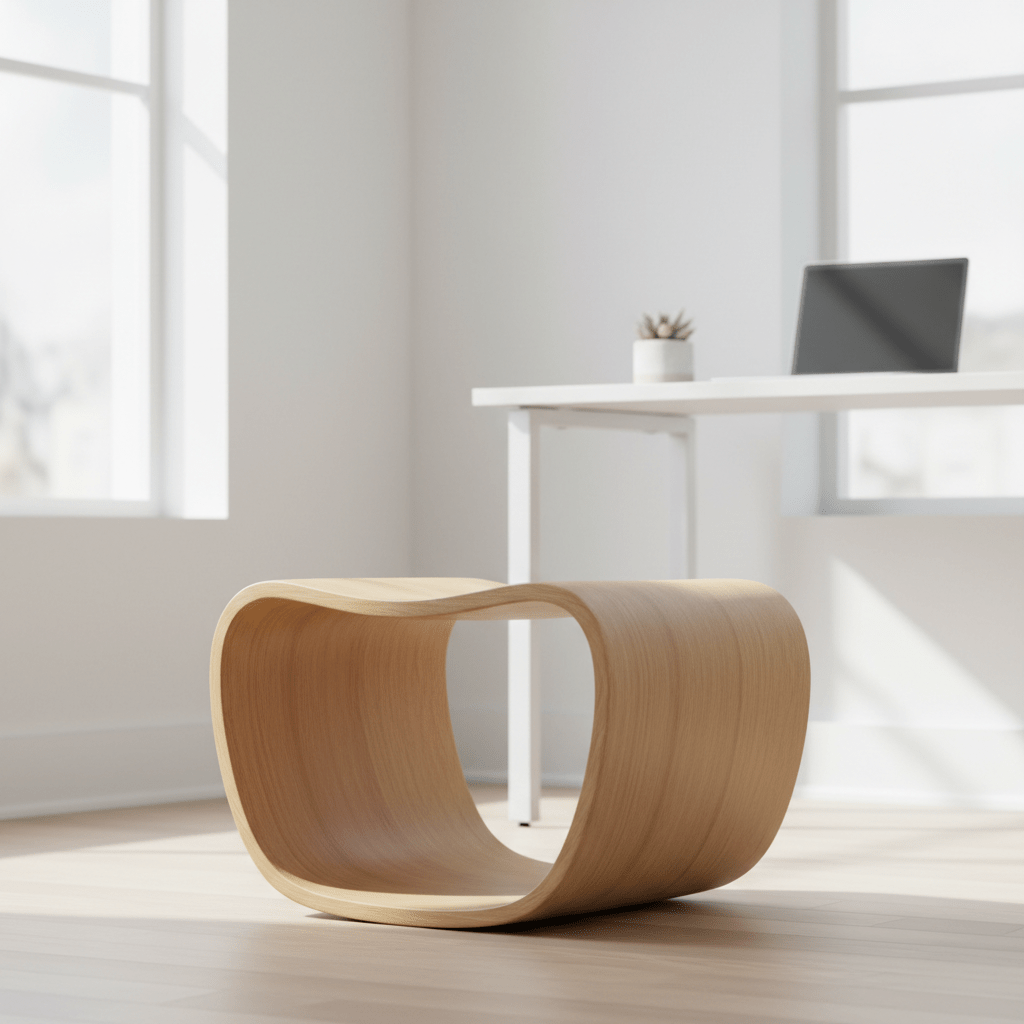
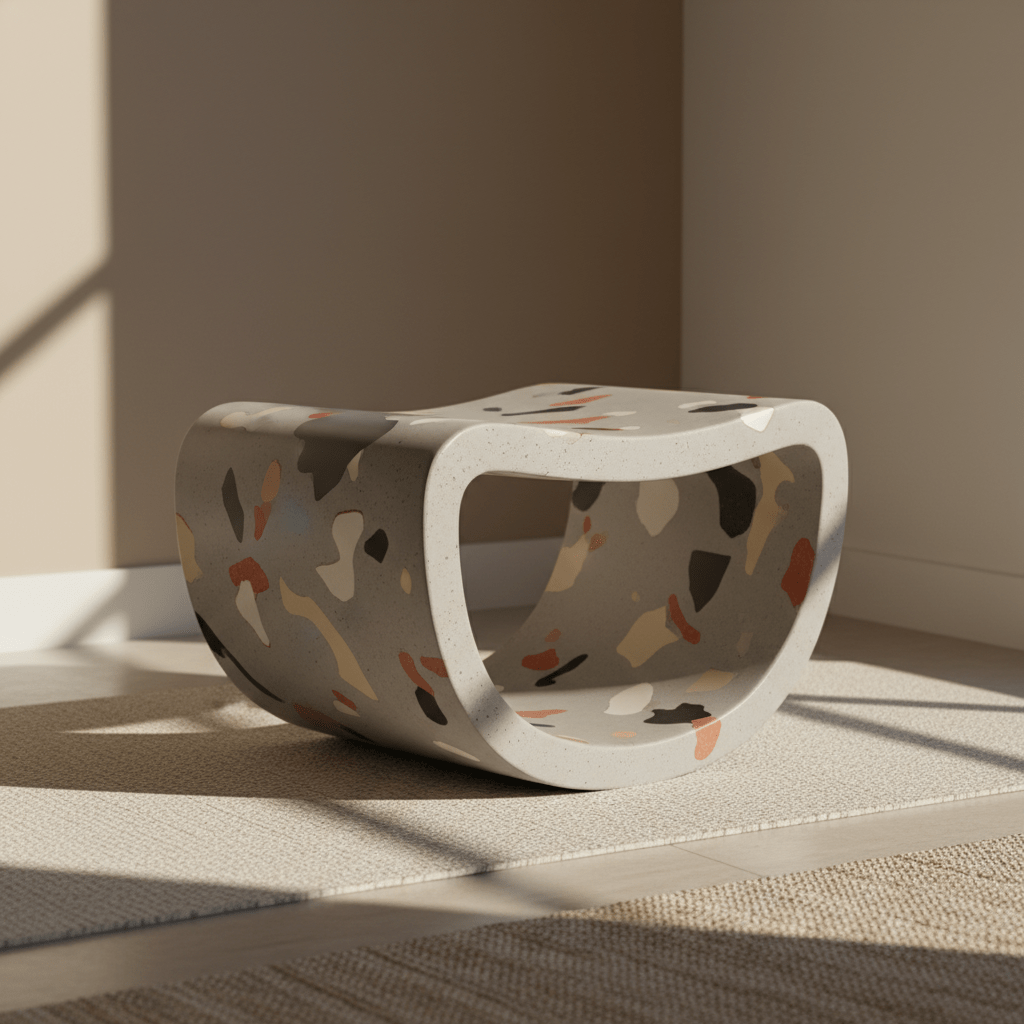
Moving far beyond a simple functional tool, the 2026 wobble stool has transformed into a piece of art that happens to enhance focus. Crafted from single forms of carved sustainably-sourced wood, polished concrete, or recycled composites, these stools feature elegant curves and minimalist silhouettes that would feel at home in a contemporary gallery. They offer all the active seating benefits of traditional wobble stools—engaging core muscles and providing gentle movement—but double as sculptural accent pieces that elevate any space. Picture a light oak stool with a gracefully concave seat that invites gentle movement, its smooth curves catching natural light in a sunlit, minimalist workspace. The base often features subtle texture or grain patterns, while the proportions are carefully calculated to provide both stability and the perfect amount of instability for focus enhancement. These pieces seamlessly transition from home offices to living rooms, proving that ADHD-friendly furniture can be both highly functional and undeniably beautiful.
2. Integrated Sensory Textures
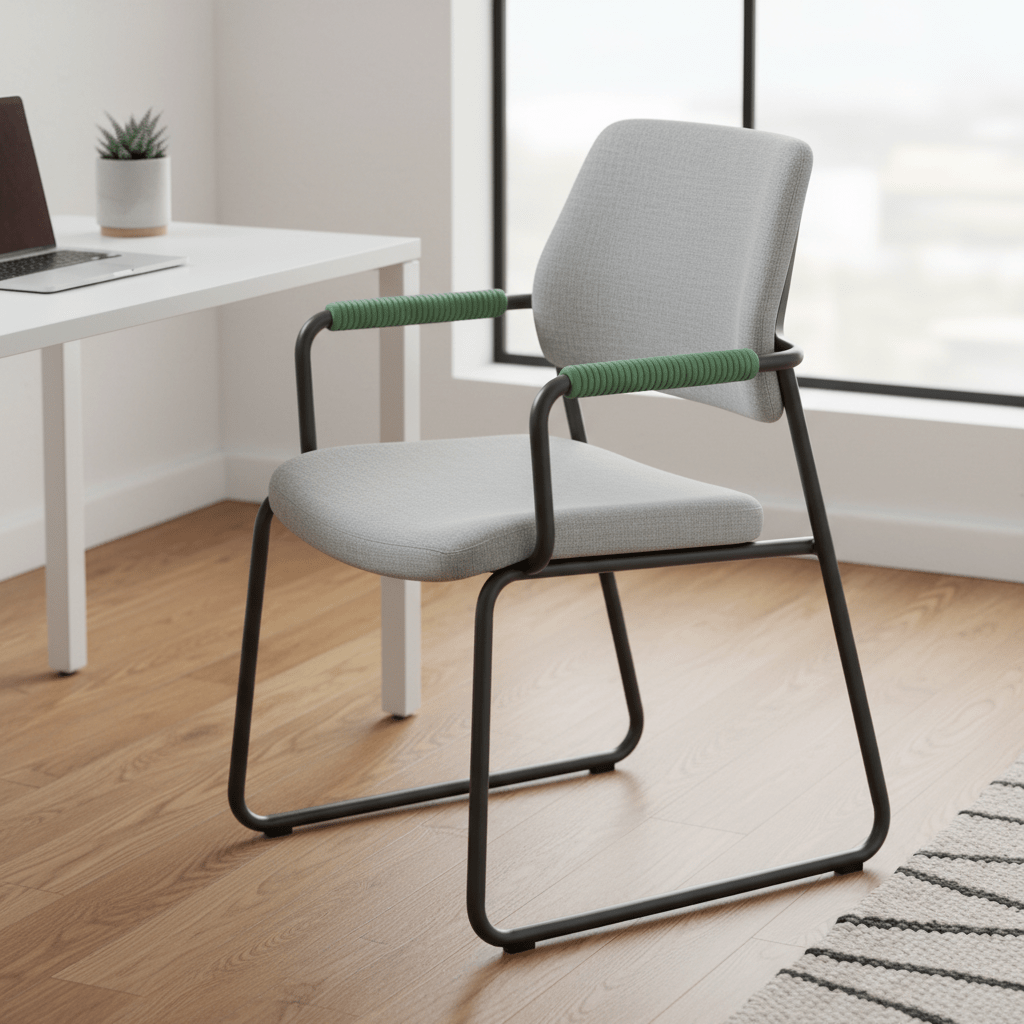
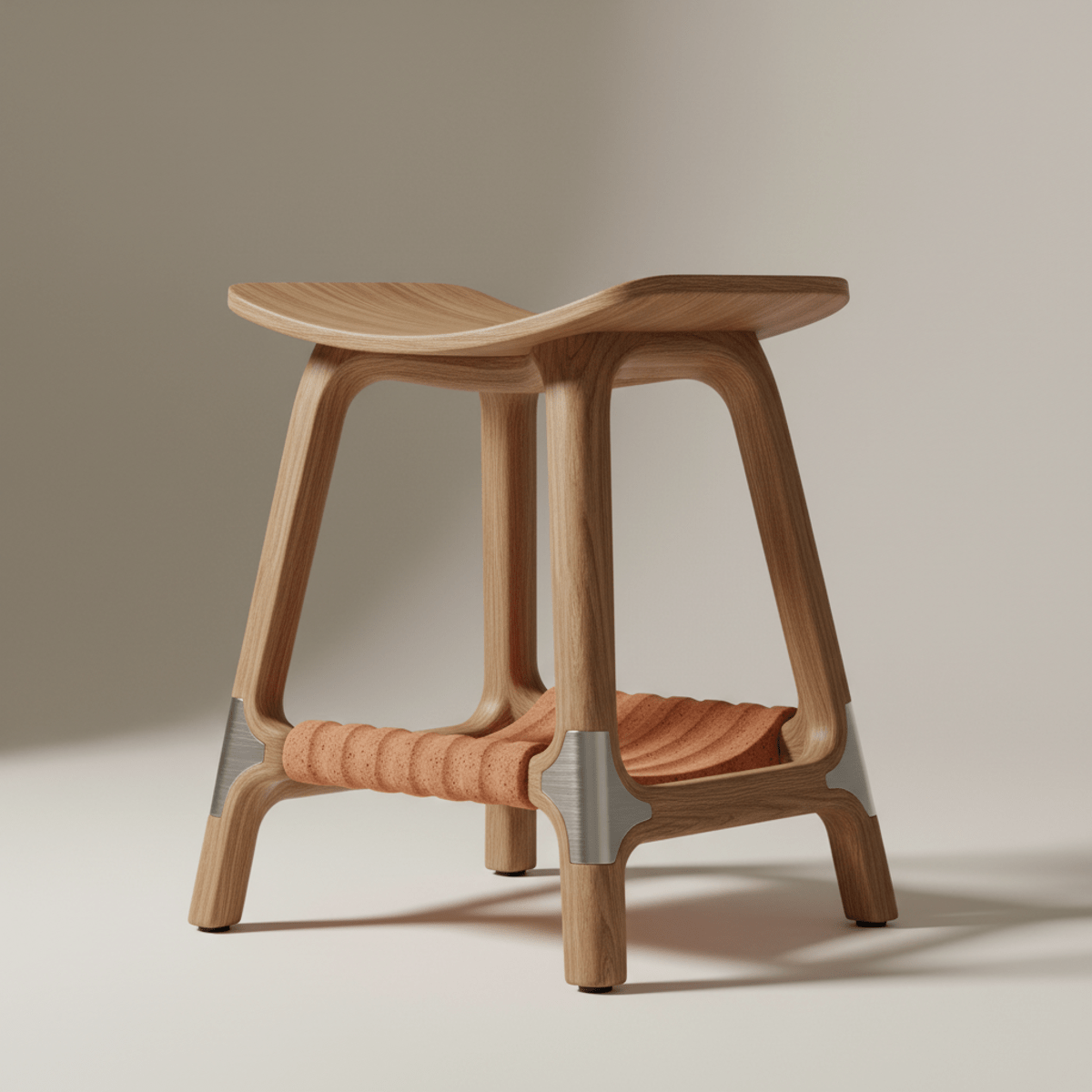
This sophisticated trend focuses on providing subtle, non-distracting tactile input through thoughtfully integrated design elements. Modern ADHD chairs now incorporate sensory features directly into their architecture, creating discrete fidgeting opportunities that maintain professional aesthetics. Think premium task chairs with armrests inlaid with soft, ribbed silicone strips in complementary colors, or elegant stools featuring footrests crafted from cork, textured bamboo, or brushed metal with micro-grooves. These tactile elements are designed to be felt rather than overtly seen, offering a quiet way to self-regulate without drawing attention. The textures range from gentle ridges and subtle bumps to smooth, cool surfaces that respond to touch. Color palettes remain sophisticated—sage green silicone accents on charcoal frames, or warm terracotta cork elements paired with natural wood. This approach transforms necessary sensory input into design details, ensuring that focus-enhancing features enhance rather than compromise the overall aesthetic of the space.
3. The Upholstered Balance Ball Chair
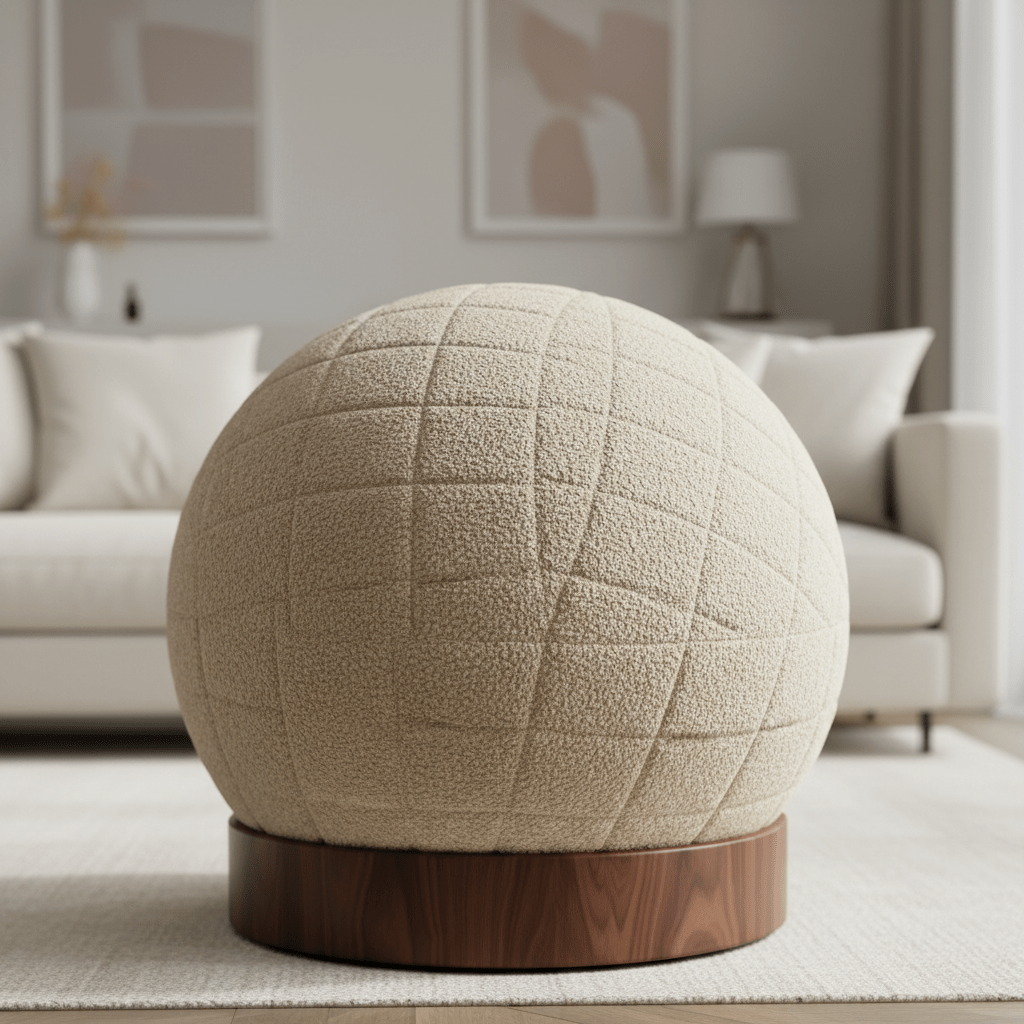
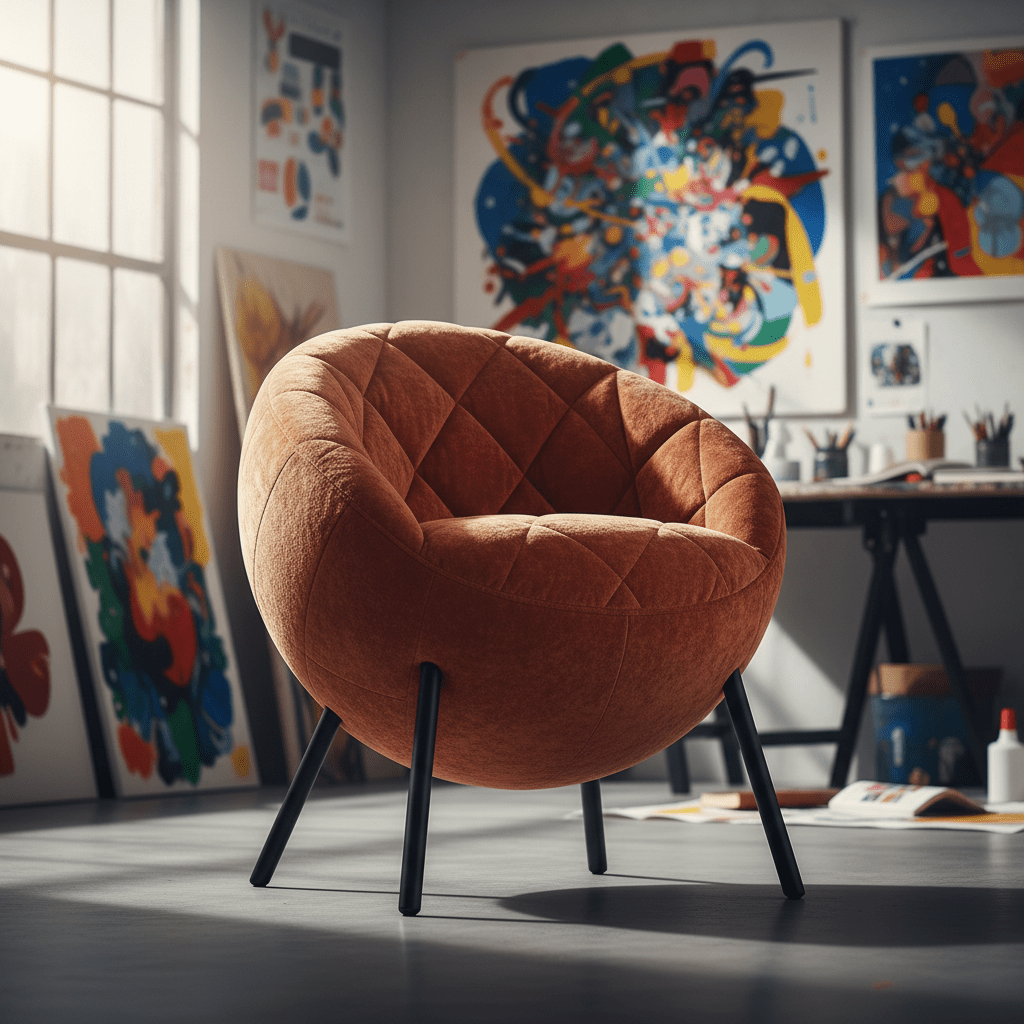
The classic yoga ball chair receives a luxurious makeover that completely transforms its appearance and appeal. In 2026, the raw PVC exercise ball is elegantly concealed within chic, tailored covers made from premium upholstery fabrics like chunky bouclé in oatmeal or dusty blue, soft felt in forest green, or rich velvet in deep terracotta. Set on stable bases crafted from materials like walnut wood or powder-coated steel, these chairs look more like designer ottomans or contemporary poufs than ergonomic equipment. The covers are carefully engineered with hidden zippers and stretch panels that accommodate the ball’s natural movement while maintaining a crisp, tailored appearance. Many feature subtle quilting or tufting details that add visual interest while providing additional texture for sensory input. The result is a piece that provides all the core-strengthening, focus-enhancing benefits of active sitting while seamlessly integrating into stylish living rooms, creative studios, or collaborative workspaces where aesthetics matter as much as function.
4. Biophilic Rockers & Gliders
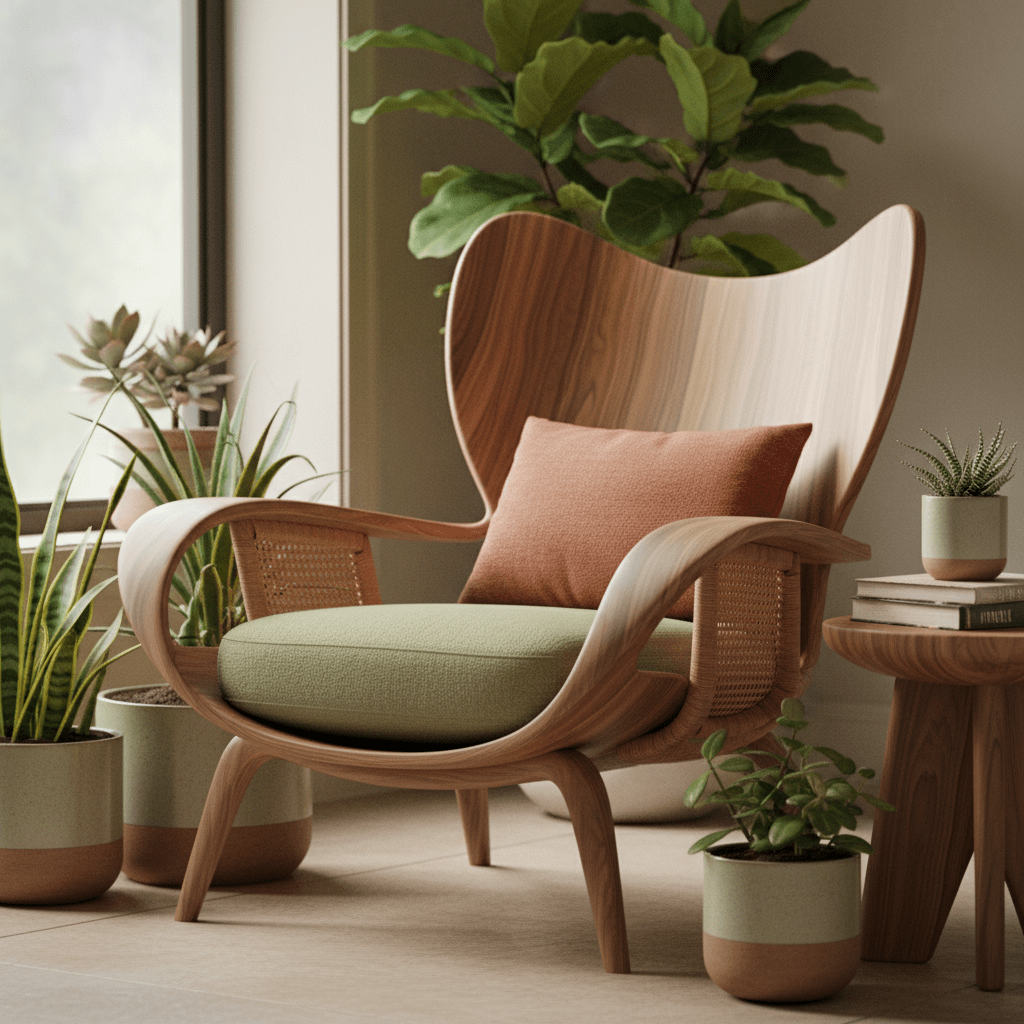
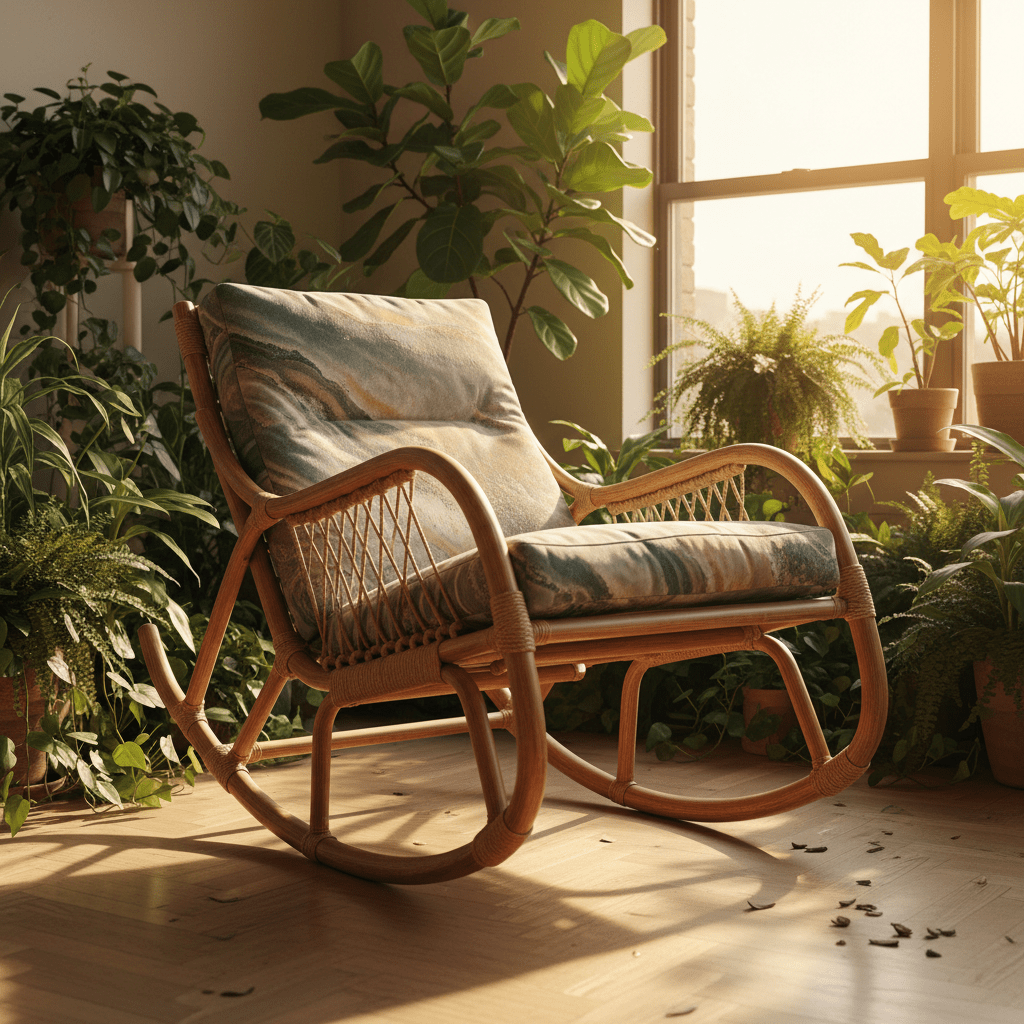
Harnessing the scientifically-proven calming effects of nature-inspired design, this trend sees the triumphant return of the rocking chair with a distinctly modern, biophilic twist. These chairs feature smooth, organic lines that echo natural forms—curved backs that mimic wind-sculpted rock formations, arms that flow like river stones. Frames are crafted from sustainably-harvested natural woods like ash, walnut, or bamboo, often left in their natural finish to showcase beautiful grain patterns. Cushions and upholstery embrace earth-toned palettes of sage green, warm beige, rust terracotta, and soft gray-blue that bring outdoor tranquility indoors. The gentle, predictable rocking motion provides the perfect sensory input for soothing restlessness and anxiety while promoting focus through rhythmic movement. Many designs incorporate additional biophilic elements like woven rattan details, natural fiber rope accents, or subtly textured fabrics that evoke bark, stone, or water. These chairs create instant calm in any environment, making them ideal for meditation corners, reading nooks, or quiet office retreat spaces.
5. The ‘Lotus’ Chair for Alternative Postures
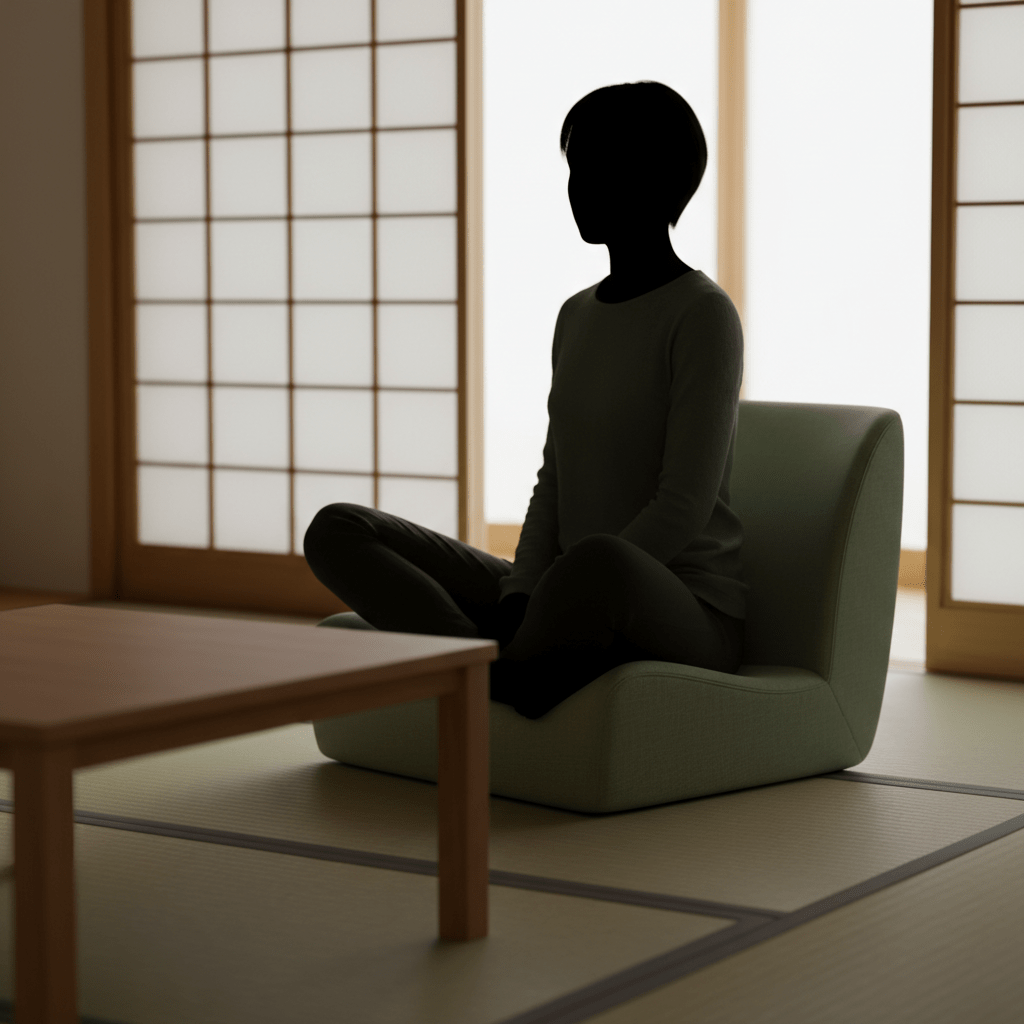
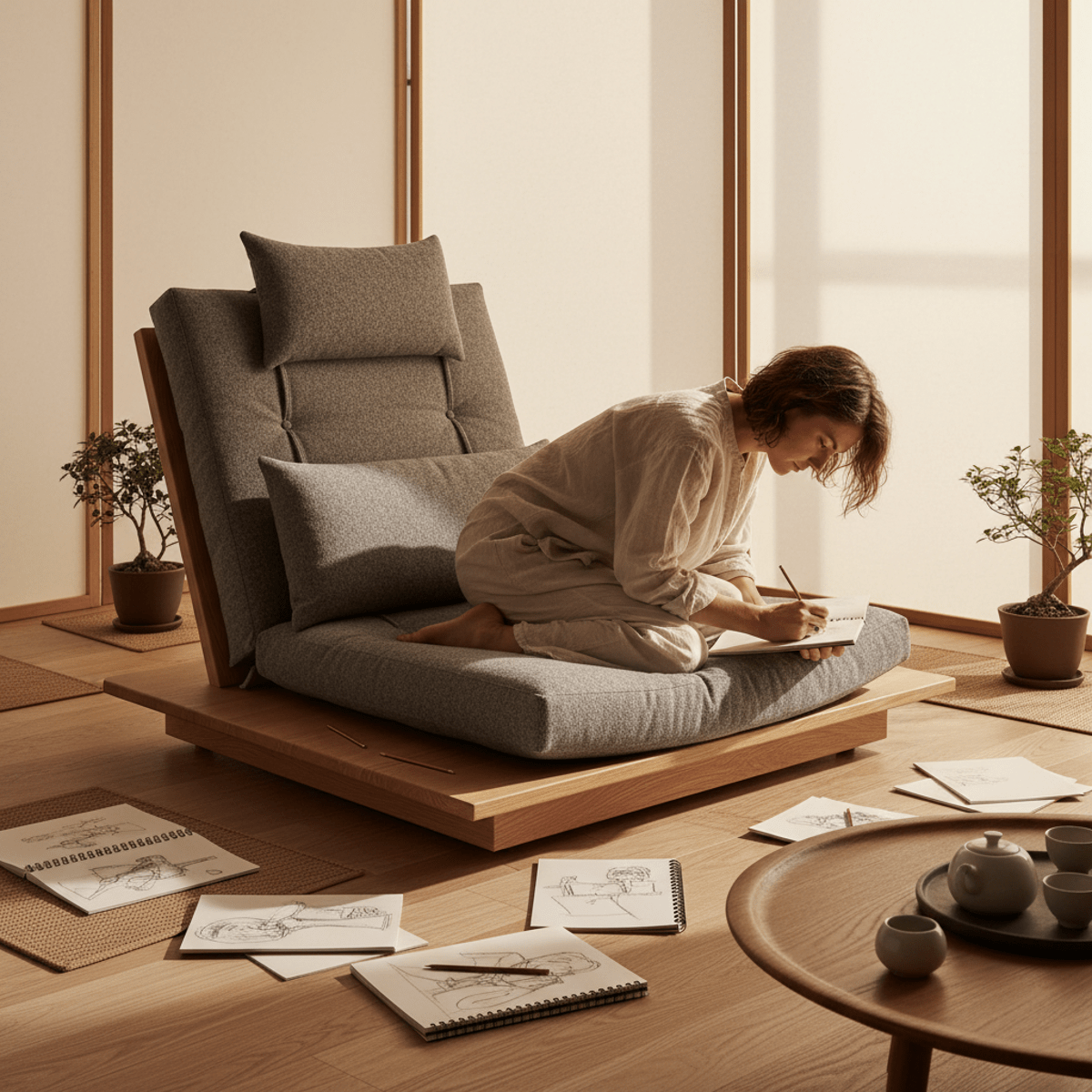
Recognizing that focus and creativity don’t always happen in traditional upright positions, the ‘Lotus’ chair revolutionizes floor seating for the modern age. These low-profile, ergonomically-designed seats provide crucial back support while accommodating cross-legged sitting, kneeling, or other non-traditional postures that many neurodivergent individuals find more comfortable and conducive to concentration. The designs feature simple, elegant forms with gently curved backs and supportive side bolsters, often upholstered in durable, comfortable fabrics like linen blends, wool felt, or performance textiles in calming colors. Some models include adjustable lumbar support or removable cushions for customizable comfort. The proportions are carefully calculated to encourage proper spinal alignment even in alternative sitting positions. Visual aesthetics lean toward Japanese-inspired minimalism—clean lines, natural materials, and neutral colors that create a sense of zen-like calm. These chairs are perfect for meditation practices, deep work sessions, creative brainstorming, or simply providing a comfortable alternative to traditional desk chairs for those who think better when their bodies can move freely.
6. The Modular Perching Stool
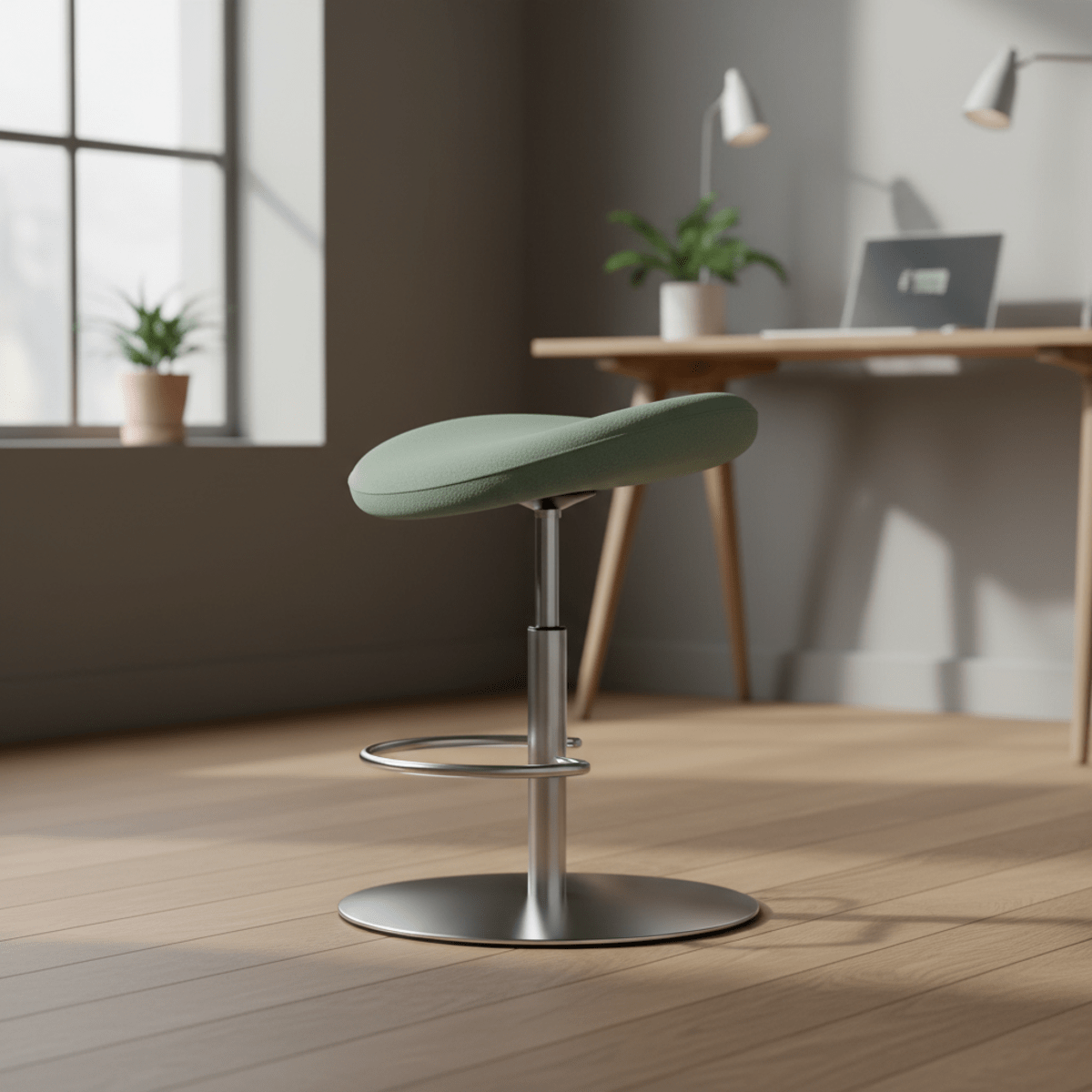
Versatility defines this innovative category, as the modular perching stool adapts to support various work modes throughout the day. These sophisticated stools feature smooth, often pneumatic height adjustment that transitions seamlessly from standard desk height to standing desk configuration, encouraging movement between different working positions. The seats are designed with a slight forward tilt and subtle contours that engage core muscles while providing comfort during extended use. Swivel mechanisms are engineered for silent, fluid rotation, allowing for natural fidgeting without distraction. Aesthetically, these stools embrace minimal, Scandinavian-inspired design—featuring sleek metal stems in brushed chrome or matte black, topped with compact, elegantly upholstered seats in premium materials like wool felt, leather, or technical fabrics. Color options typically include sophisticated neutrals like charcoal, warm gray, or soft beige, with occasional accent colors in muted sage or terracotta. The compact footprint makes them ideal for small spaces, while their refined appearance ensures they complement rather than clash with existing office or home décor. Many models include additional features like a subtle footrest ring or textured seat edges for additional sensory input.
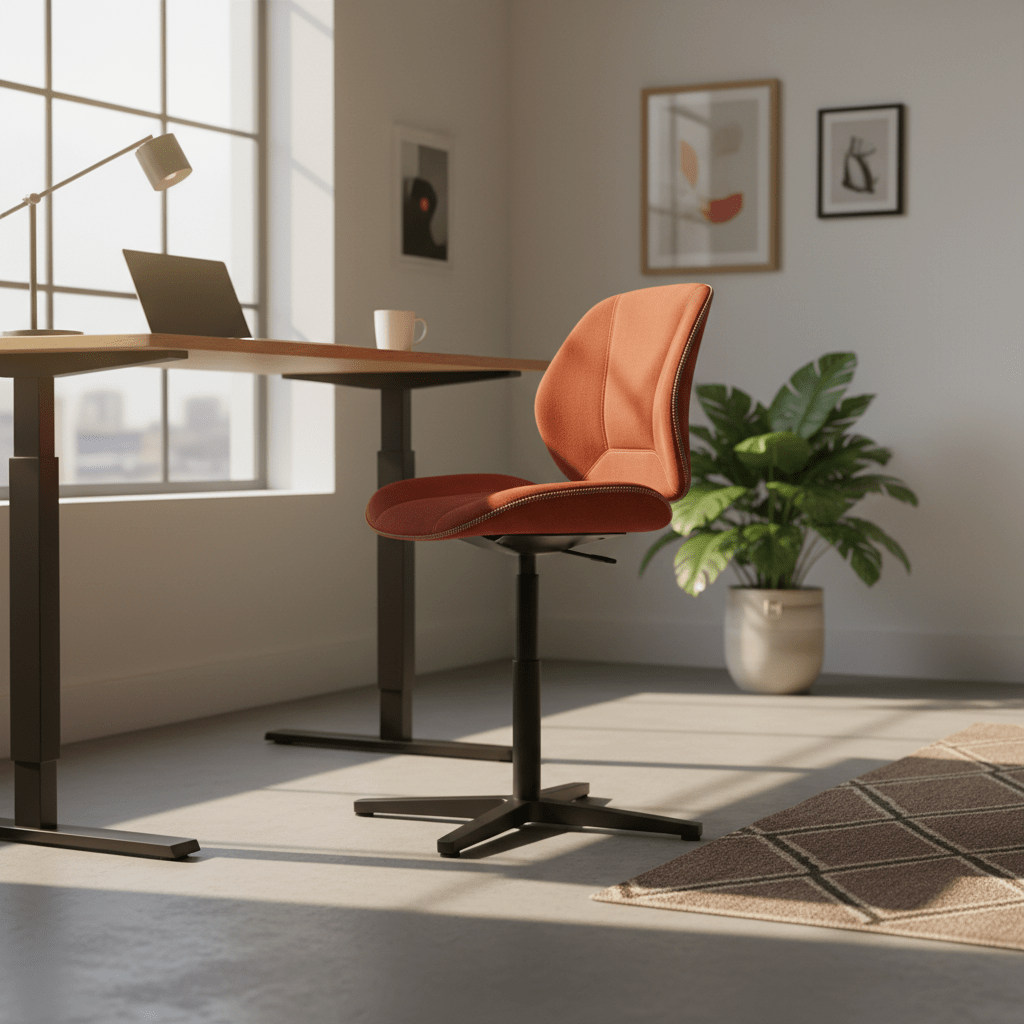
7. The ‘Quiet-Spin’ Task Chair
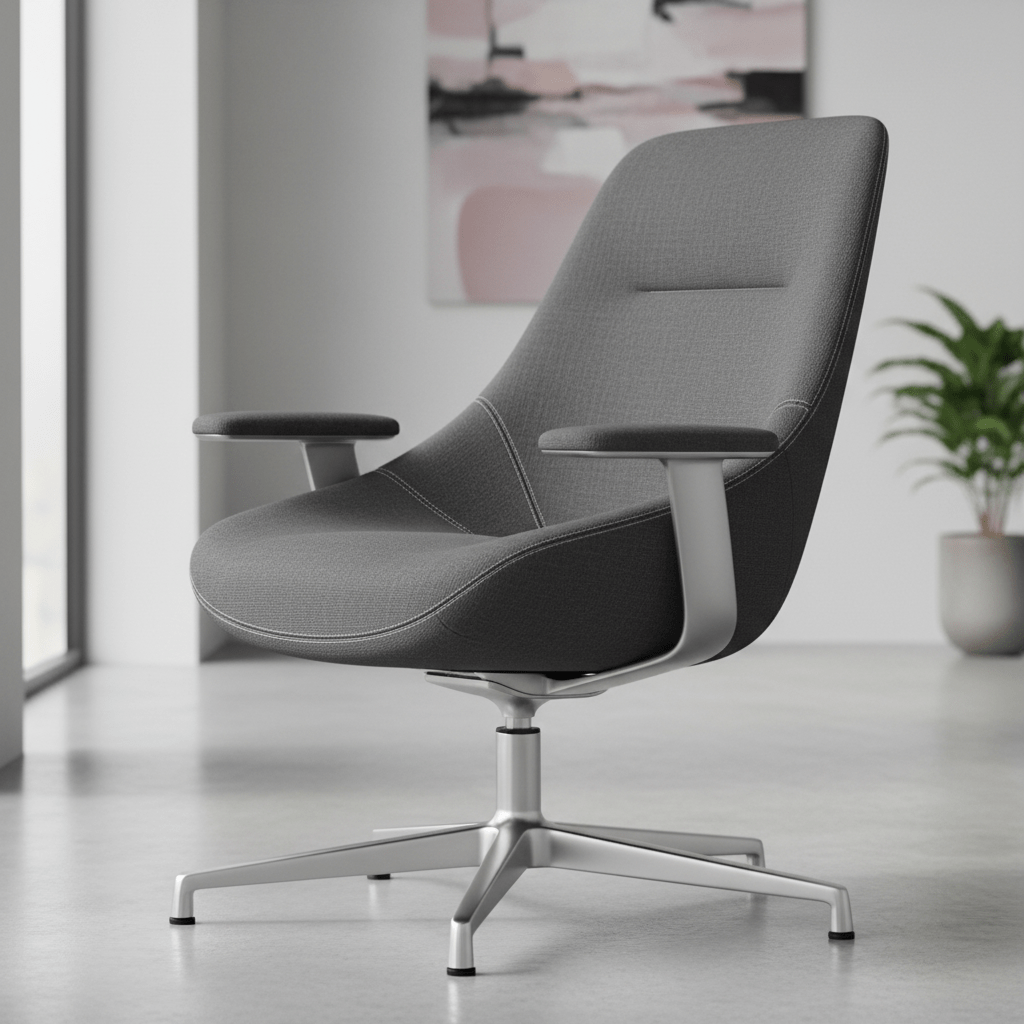
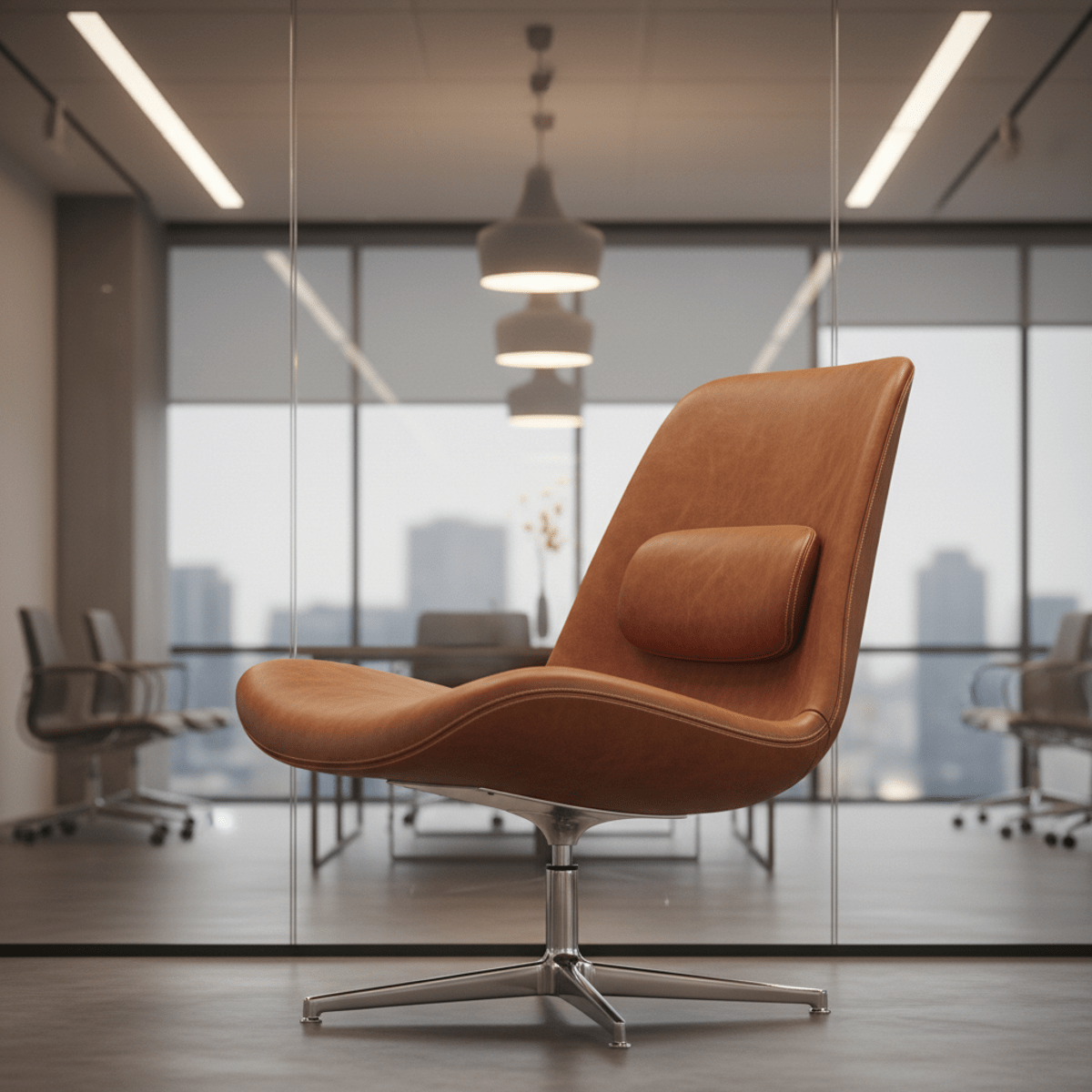
For professionals who need constant movement but work in shared or formal environments, the ‘Quiet-Spin’ chair represents the pinnacle of stealth ergonomics. These premium task chairs are engineered with whisper-quiet mechanisms that allow for constant, subtle adjustments and fidgeting without producing any distracting squeaks, clicks, or mechanical sounds. Advanced bearing systems and precision-machined components ensure fluid swivel action and tilt functionality that operates in complete silence. Visually, they are indistinguishable from high-end designer office chairs, featuring sleek profiles, premium materials, and sophisticated color palettes. Upholstery options include performance fabrics in charcoal or navy, genuine leather in cognac or black, or innovative textiles with subtle texture variations. The silhouettes are contemporary and refined, with carefully sculpted backs that provide ergonomic support while maintaining visual lightness. Many models feature additional discrete movement features—armrests that rotate slightly, seat edges with gentle flex, or subtle lumbar adjustments that allow for micro-movements throughout the day. These chairs prove that ADHD-friendly features can be completely integrated into professional design, providing necessary sensory input while maintaining workplace appropriateness.
8. Next-Gen Kneeling Chairs with Soft Contours
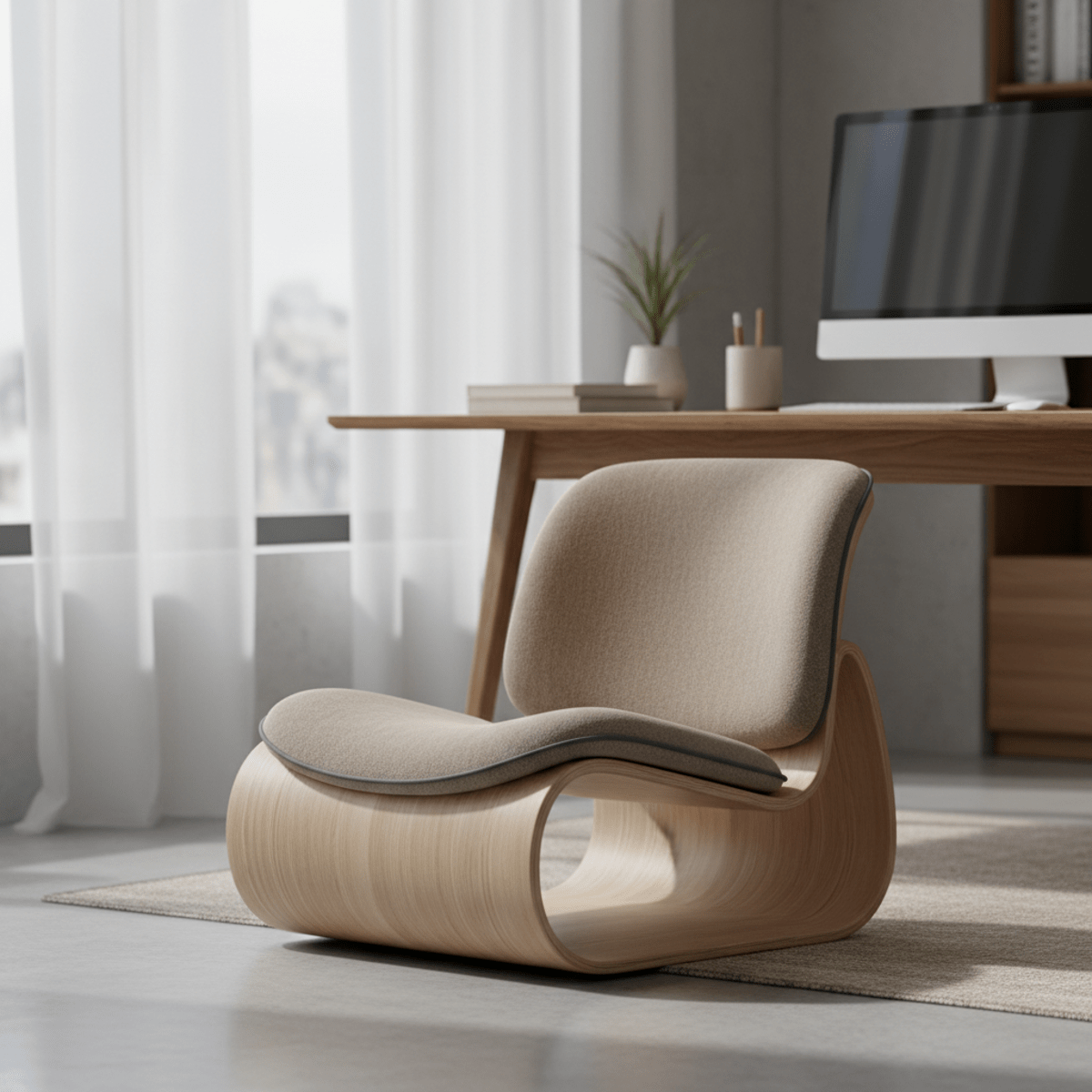
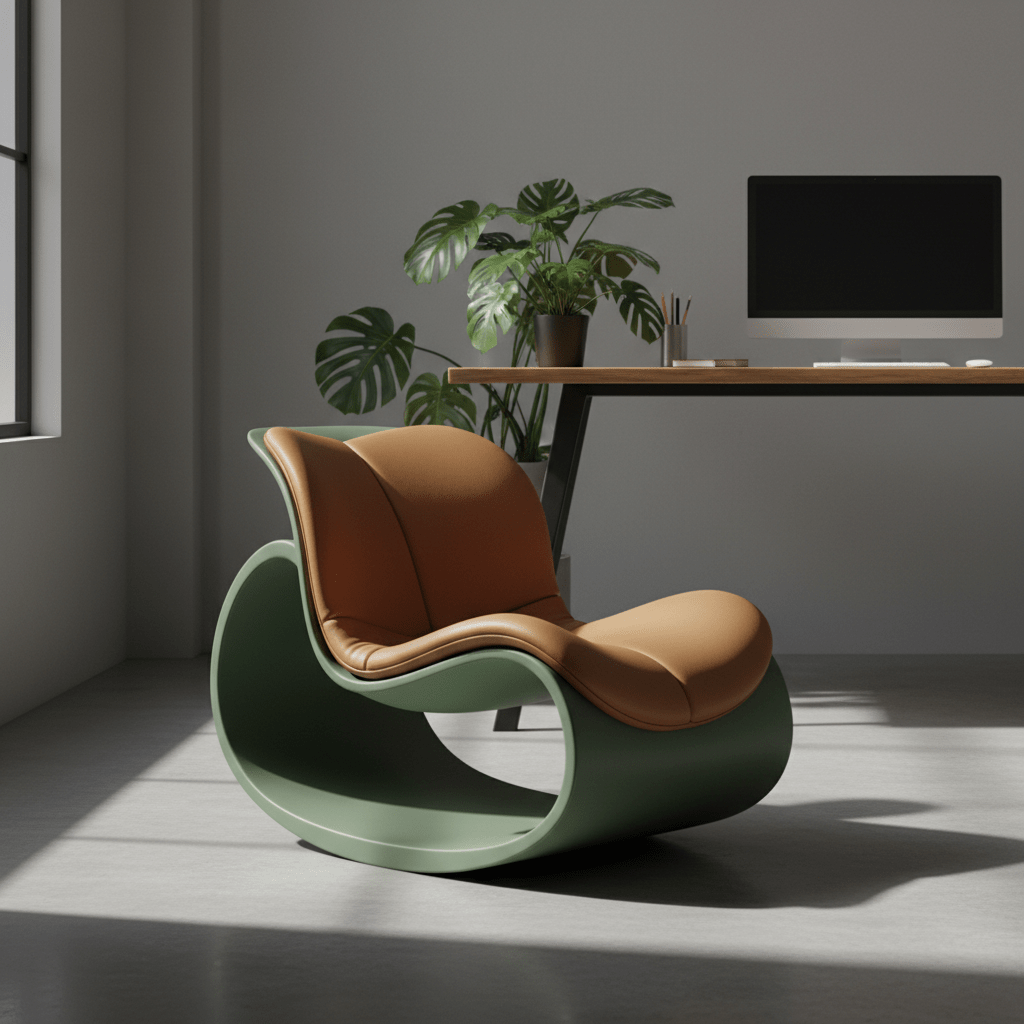
The traditional kneeling chair undergoes a complete design evolution, replacing harsh angles and clinical aesthetics with soft, rounded forms and luxurious materials. Contemporary versions feature gently curved frames made from bent plywood, molded recycled plastic, or powder-coated steel tubes that create flowing, organic silhouettes. The harsh edges of older models are replaced with generous curves and plush, anatomically-designed cushions for both the seat and knee supports. Premium upholstery materials include wool-blend fabrics in muted colors, soft leather in natural tones, or technical textiles with memory foam backing for superior comfort. Many designs incorporate additional ergonomic improvements—adjustable height mechanisms, rocking bases for gentle movement, or removable cushion covers for easy maintenance. The color palettes emphasize calming, sophisticated tones—warm grays, soft beiges, muted sage, or deeper charcoal—that integrate seamlessly into modern interiors. Some models feature subtle design details like contrasting piping, textured panels, or natural wood accents that elevate them from purely functional pieces to attractive furniture. These chairs maintain all the postural benefits of traditional kneeling chairs while offering the comfort and aesthetic appeal necessary for extended use in contemporary homes and offices.
9. The Dynamic Footrest & Ottoman
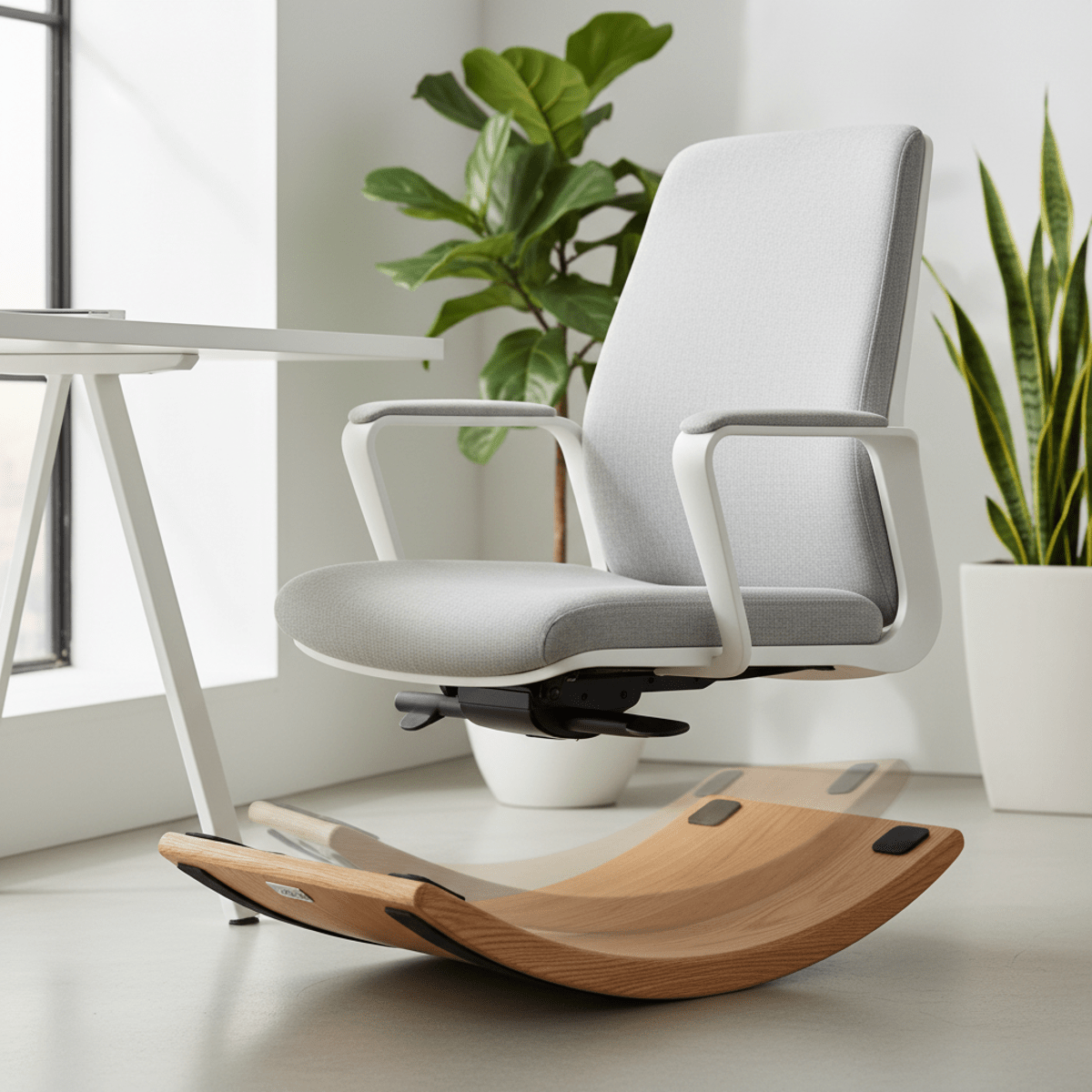
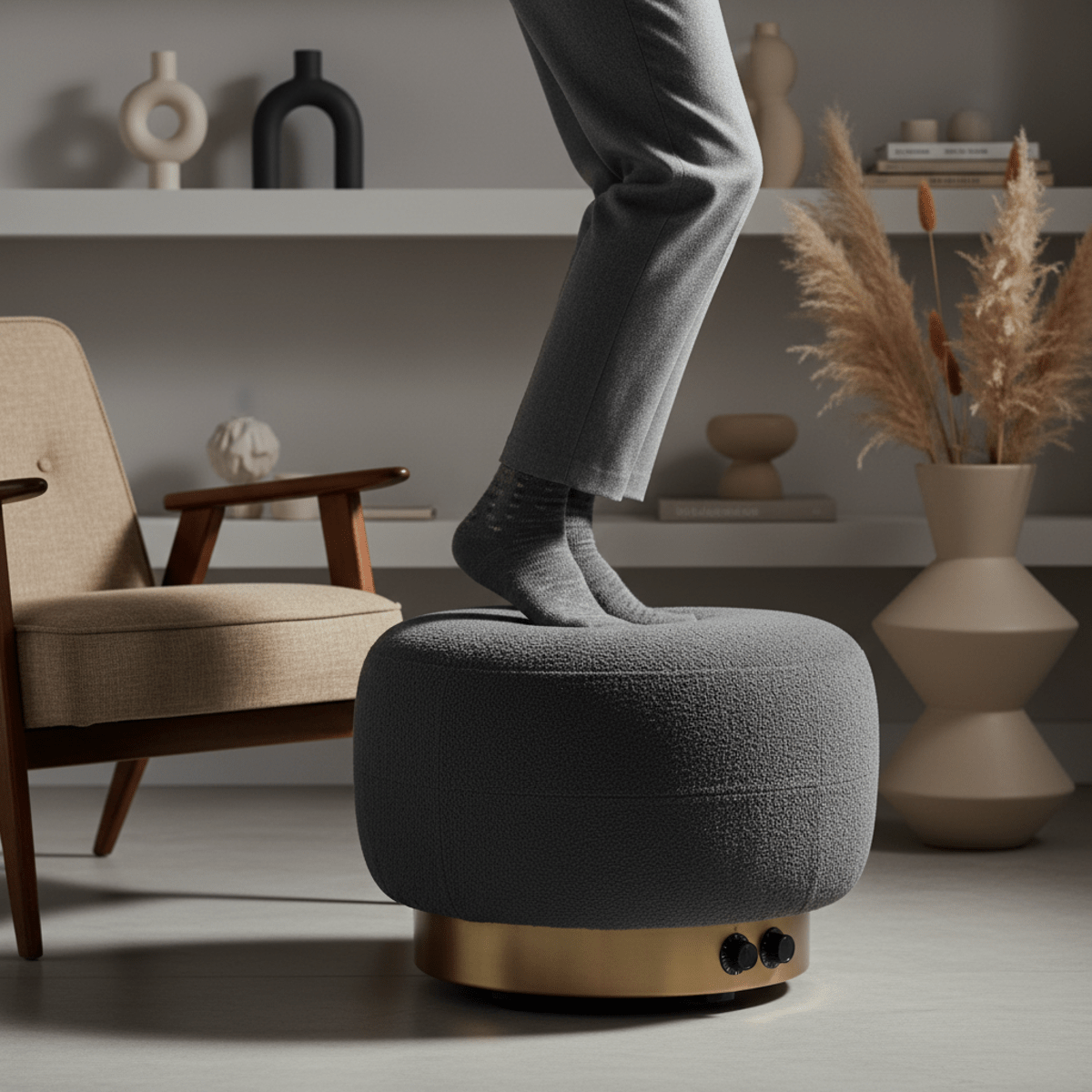
Sometimes the most innovative solution isn’t replacing the chair entirely, but adding a dynamic companion piece that transforms any existing seat into an active seating system. Dynamic footrests represent a growing category of accessories that provide movement opportunities for feet and legs, allowing users to rock, roll, push, or balance while seated. These range from elegant under-desk rockers crafted from solid wood with smooth, curved bases, to soft ottomans featuring weighted, intentionally unstable cores that encourage constant micro-movements. Premium versions incorporate sophisticated materials—brushed aluminum rockers with rubber padding, or upholstered ottomans with hidden balance mechanisms covered in luxurious fabrics like bouclé or velvet. Some feature adjustable resistance levels, allowing users to customize the amount of movement and effort required. The aesthetic focus is on creating pieces that appear to be stylish furniture accessories rather than therapeutic equipment. Colors and finishes are chosen to complement existing décor—natural wood stains, sophisticated metallics, or upholstery in classic neutrals with occasional accent colors. These accessories offer a low-commitment entry point into active seating, allowing users to experience the benefits of movement-based focus enhancement without investing in entirely new furniture.
As we’ve explored, the ADHD chair of 2026 represents a complete paradigm shift from one-size-fits-all medical equipment to a diverse ecosystem of beautifully designed furniture that supports neurodivergent minds by engaging the body in thoughtful, sophisticated ways. These nine trends—from sculptural wobble stools that double as art pieces to biophilic rockers that bring nature’s calm indoors—demonstrate that focus-friendly design has finally achieved the perfect marriage of function and form. Each piece proves that movement-based seating can be deeply personal, seamlessly integrated into our lives, and aesthetically stunning without sacrificing the therapeutic benefits that make them essential for ADHD support. The evolution from clinical-looking equipment to design-forward furniture reflects our growing understanding that creating supportive environments shouldn’t require aesthetic compromise. For furniture brands, product developers, and e-commerce entrepreneurs, these visual trends represent far more than inspiration—they are a comprehensive roadmap to a rapidly expanding market worth billions of dollars. The growing demand for neurodivergent-friendly products that enhance rather than compromise interior design represents one of the most significant opportunities in the furniture industry today. Ready to transform these insights into your next breakthrough product? Accio, our AI-powered search and sourcing tool, is your strategic partner in capitalizing on these trends. Use Accio to analyze market demand for upholstered balance balls, discover emerging patterns in biophilic design materials, and instantly connect with pre-vetted global manufacturers who possess the expertise to bring these innovative concepts to market. Stop observing the trends from the sidelines—start creating the future of focus-friendly furniture with Accio as your competitive advantage.