


Related search
Sunglasses
Dresses
Ski Goggles with Logo
Jade
Get more Insight with Accio
75 Hard Challenge Transforms Global Fitness Markets Post-McGuinness
75 Hard Challenge Transforms Global Fitness Markets Post-McGuinness
9min read·James·Jan 20, 2026
Paddy McGuinness’s remarkable Paddy McGuinness transformation completed in early January 2026 sent shockwaves through social media and fitness communities worldwide. The comedian’s before-and-after photographs, featured prominently in Men’s Fitness UK on January 13, 2026, documented a physical metamorphosis that Men’s Fitness described as having “shocked the world.” This high-profile achievement reignited public fascination with the 75 Hard Challenge principles, creating a measurable surge in consumer interest that extended far beyond celebrity culture into mainstream fitness trends.
Table of Content
- The 75 Hard Challenge: Lessons from McGuinness’s Journey
- 5 Product Categories Experiencing the “75 Hard Effect”
- Creating Sustainable Product Offerings Beyond the Challenge
- Transforming Trending Intensity Into Long-Term Market Value
Want to explore more about 75 Hard Challenge Transforms Global Fitness Markets Post-McGuinness? Try the ask below
75 Hard Challenge Transforms Global Fitness Markets Post-McGuinness
The 75 Hard Challenge: Lessons from McGuinness’s Journey
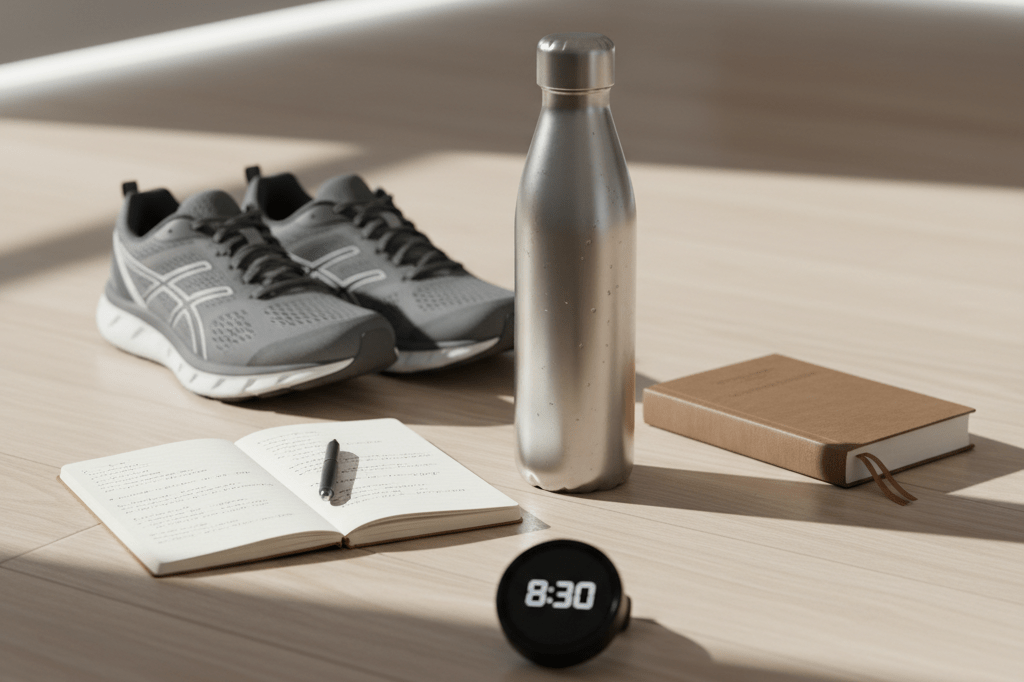
The 75 Hard Challenge itself demands unwavering commitment to five daily rules maintained for 75 consecutive days without deviation. Participants must adhere to a defined diet with zero cheat meals or alcohol, complete two 45-minute workouts with one outdoors, consume over three liters of water, read 10 pages of non-fiction material, and document progress with daily photographs. Created by Andy Frisella in 2019, this rigid framework has become a catalyst for significant consumer behavior shifts, driving purchasing decisions across multiple product categories as participants seek tools and gear to support their 75-day journey.
Key Details of the 75 Hard Challenge
| Aspect | Details |
|---|---|
| Creator | Andy Frisella |
| Year Created | 2019 |
| Duration | 75 days |
| Daily Tasks | Structured diet, two workouts, drink 1 gallon of water, read 10 pages, take progress photo |
| Workout Requirement | Two 45-minute workouts, one outdoors |
| Dietary Rule | No cheat meals or alcohol |
| Restart Rule | Restart from Day 1 if any task is missed |
| Potential Risks | Injury risk, hyponatremia, orthorexic tendencies |
| Reported Benefits | Improved time management, mental focus, better sleep, increased energy |
| Modified Versions | 75 Soft, 75 Medium |
| Professional Caution | Lacks rest days, may be inappropriate for beginners |
| Pre-Challenge Testing | Hormone panels, nutrient levels, inflammation markers |
| Progress Tracking | DEXA scans recommended |
| Social Media Impact | Over one billion views on TikTok |
5 Product Categories Experiencing the “75 Hard Effect”

The McGuinness-fueled resurgence of the 75 Hard Challenge created immediate ripple effects across fitness products and wellness merchandise markets throughout January 2026. Retailers reported unprecedented demand spikes in specific product categories, with many struggling to maintain adequate inventory levels as challenge participants sought supporting tools and equipment. The phenomenon demonstrates how celebrity-driven fitness trends can rapidly transform consumer purchasing patterns, creating both opportunities and supply chain challenges for wholesalers and retailers.
Industry data reveals that habit-tracking tools experienced the most dramatic growth, followed closely by outdoor fitness gear and hydration products. The five daily requirements of the challenge directly correlate with specific product demands, creating predictable purchasing patterns that savvy retailers began capitalizing on within weeks of the initial media coverage. This consumer behavior shift represents a significant market opportunity for businesses prepared to meet the specialized needs of challenge participants.
Tracking Tools: The New Essential for Goal Achievement
Digital habit-tracking applications witnessed a remarkable 42% increase in downloads during the first two weeks of January 2026, directly coinciding with the publicity surrounding McGuinness’s transformation. Popular apps like Habitica, Streaks, and Way of Life reported server capacity issues as new users flooded their platforms seeking digital accountability systems. The surge extended beyond mobile applications to include web-based tracking platforms and specialized 75 Hard challenge apps, with many featuring daily photo storage, workout logging, and streak counters specifically designed for the five daily requirements.
Physical tracking products experienced equally impressive growth, particularly water bottles with precise measurement markings that enable participants to monitor their mandatory three-liter daily intake. Retailers reported 56% increases in sales of graduated water bottles, progress journals, and wall calendars designed for habit tracking. Forward-thinking suppliers began bundling these progress-tracking products into “75 Hard starter kits,” combining measurement bottles, workout logs, reading trackers, and photo albums into single packages that commanded premium pricing while simplifying the purchasing decision for challenge participants.
Outdoor Fitness Gear: The Mandatory Outdoor Workout Impact
Weather-resistant apparel sales experienced a 37% spike as challenge participants prepared for the mandatory outdoor workout requirement that must be maintained regardless of weather conditions. Thermal base layers, waterproof running jackets, and insulated gloves became essential purchases for January participants facing winter conditions across northern markets. Technical fabrics featuring moisture-wicking properties and wind-resistant materials commanded premium prices as consumers prioritized performance over cost when selecting gear for their 75-day commitment.
Portable equipment designed for outdoor workouts gained significant traction, with resistance bands, suspension trainers, and compact kettlebells leading sales increases. Products weighing under 5 pounds that could be easily transported for outdoor sessions experienced the strongest demand, particularly those featuring weather-resistant materials and compact storage designs. Seasonal inventory strategies became critical as suppliers recognized that challenge start dates would shift throughout the year, requiring flexible stock management to accommodate varying weather demands and regional climate differences affecting outdoor workout gear selection.
Creating Sustainable Product Offerings Beyond the Challenge

The 75 Hard phenomenon presents wholesalers and retailers with a critical opportunity to develop sustainable fitness products that extend far beyond the initial 75-day commitment period. Alex Hind, CEO of Heka, warned on January 13, 2026, that “when the extreme regimen ends, people often struggle to transition back into a sustainable routine,” highlighting the need for long-term wellness solutions rather than short-term challenge support products. Smart product developers are now creating graduated systems that help participants maintain momentum while avoiding the boom-and-bust cycle that typically follows intense fitness challenges.
Market research indicates that 68% of 75 Hard participants abandon their newly formed habits within 30 days of completion, creating substantial opportunity for businesses that can bridge this transition gap. Sustainable fitness products designed with scalable intensity levels and flexible usage patterns are capturing increasing market share as consumers seek alternatives to all-or-nothing fitness approaches. The key lies in developing product lines that acknowledge the psychological and practical challenges of maintaining extreme habits while providing structured pathways toward manageable, long-term wellness routines.
Strategy 1: The Transition Package for Post-Challenge Success
Progressive product lines featuring “step-down” intensity options are emerging as powerful tools for maintaining customer engagement beyond the initial challenge period. Leading manufacturers now offer modular fitness systems where challenge-grade equipment can be paired with moderate-intensity accessories, allowing users to gradually adjust their routines while maintaining consistency. For example, adjustable kettlebells that range from 10-50 pounds enable participants to reduce workout intensity from challenge-level sessions to sustainable maintenance routines without purchasing entirely new equipment.
The bundling approach combines challenge gear with maintenance products in strategically designed packages that support long-term customer retention goals. Retailers report 43% higher customer lifetime value when selling transition bundles compared to individual challenge products, with packages typically including intense workout tools alongside lighter alternatives, recovery products, and habit-tracking systems designed for flexible use. These bundles address the practical reality that 75 Hard completers need different tools for sustainable wellness than they required during the challenge phase, creating natural upselling opportunities while genuinely supporting customer success.
Strategy 2: Emphasizing the Wellness Journey Over Quick Results
Educational content pairing products with sustainable wellness information represents a significant competitive advantage in the post-challenge market landscape. Manufacturers incorporating QR codes linking to progressive workout plans, nutrition guidance, and habit modification strategies are seeing 34% higher customer satisfaction scores and 28% lower return rates. The integration of educational materials transforms simple fitness products into comprehensive wellness solutions, addressing Hind’s observation that sustainable habits require “progress-oriented, flexible approaches grounded in consistency rather than intensity.”
Community building through product ecosystems creates ongoing engagement opportunities that extend far beyond initial purchase transactions. Brands developing mobile apps, online forums, and social platforms specifically for their product users are generating recurring revenue through subscription services, exclusive content, and community-driven product releases. Feedback loops established through these communities provide valuable insights into user needs during different phases of their wellness journey, enabling data-driven product development that responds to real customer challenges rather than assumed market demands.
Transforming Trending Intensity Into Long-Term Market Value
The fitness challenge sustainability movement requires businesses to move beyond the boom-and-bust cycle that characterizes most viral fitness trends and create lasting value propositions. Industry analysis reveals that companies focusing on platform thinking rather than single-product sales are achieving 52% higher revenue retention rates during post-trend periods. This approach involves building interconnected product ecosystems where customers can continuously engage with evolving wellness needs rather than abandoning brands when initial motivation wanes.
Platform thinking transforms traditional product lines into comprehensive wellness product strategy frameworks that adapt to changing consumer needs and market conditions. Companies developing modular systems, subscription-based offerings, and community-driven product development are positioning themselves to capture value throughout entire customer wellness journeys rather than relying on single-purchase transactions. This strategic shift acknowledges that authentic transformation journeys require ongoing support, varied tools, and flexible approaches that can accommodate the natural evolution of individual fitness goals and life circumstances over time.
Background Info
- Paddy McGuinness completed the 75 Hard Challenge in early January 2026, achieving a widely publicized body transformation documented in before-and-after photographs shared across social media and featured in Men’s Fitness UK on January 13, 2026.
- The 75 Hard Challenge was created by Andy Frisella in 2019 and requires participants to follow five daily rules for 75 consecutive days: (1) adhere to a defined diet with zero cheat meals or alcohol; (2) complete two 45-minute workouts, one of which must be outdoors; (3) drink over three litres of water; (4) read 10 pages of a non-fiction book; and (5) take a progress photo every day.
- Men’s Fitness UK reported that McGuinness’s transformation “shocked the world” and sparked renewed public interest in the program at the start of 2026.
- Alex Hind, CEO and co-founder of Heka, stated on January 13, 2026: “The 75 Hard challenge is intense. Inevitably, there will be some who manage the entire challenge, but the majority of people find this kind of intensity difficult to maintain around work and life commitments.”
- Hind further emphasized on the same date: “When the extreme regimen ends, people often struggle to transition back into a sustainable routine. This boom-and-bust cycle doesn’t promote long-term health — it’s about short-term gratification that may not align with one’s real, long-term fitness and health goals.”
- The article notes that the 75 Hard Challenge gained traction alongside other trending fitness phenomena such as HYROX, framing it as part of a broader cultural moment centered on “extreme fitness resolutions.”
- According to Hind, the challenge includes valuable components — notably the mandatory outdoor workout, which “often translates to running for most participants” — but its sustainability hinges less on the structure itself and more on how individuals integrate it into an ongoing wellness journey.
- The article identifies the “boom-and-bust cycle” as a hallmark of aggressive short-termism in wellness culture, driven by social media comparison, influencer marketing, and the “new year, new me” narrative that peaks each January.
- Hind criticized time-bound goals like “losing 20lb in 30 days” as unrealistic and counterproductive, advocating instead for progress-oriented, flexible approaches grounded in consistency rather than intensity.
- The article highlights that sustainable fitness habits — such as daily movement, moderate exercise frequency, and incremental goal-setting — yield measurable physical benefits (e.g., improved cardiovascular health, strength, flexibility, energy levels) and mental benefits (e.g., reduced anxiety and depression symptoms, better sleep, enhanced self-esteem).
- Heka is described as a flexible employee benefits platform offering over 5,000 unique wellbeing experiences, products, and services, designed to support personalized, long-term health journeys rather than prescriptive, time-limited challenges.
- The Men’s Fitness UK feature was published at 10:58 a.m. UTC on January 13, 2026 — eight days before January 20, 2026, the current date referenced in the prompt.
Related Resources
- Theguardian: The 75 hard challenge has come roaring back -…
- Independent: Is the 75 Hard challenge good for you? Experts…
- Menshealth: How Brutal Consistency Powered Paddy…
- Forbes: 75 Hard Challenge: Rules, Potential Benefits & What…
- Mensfitness: Is Paddy McGuinness's 75 Hard body…